
 The Taliban’s New War Begins at Home
  Panama removed from EU’s tax haven ‘blacklist’ a decade after the Panama Papers
  Crackdown and Controversy: The Battle Over Beach Bars and Noise in Phuket’s Bang Tao
 He and the other farmers in his group manage a collective yield of between 5 tonnes and 8 tonnes, fetching prices of 90 to 100 pesos (US$1.50 to US$1.70) per kg.
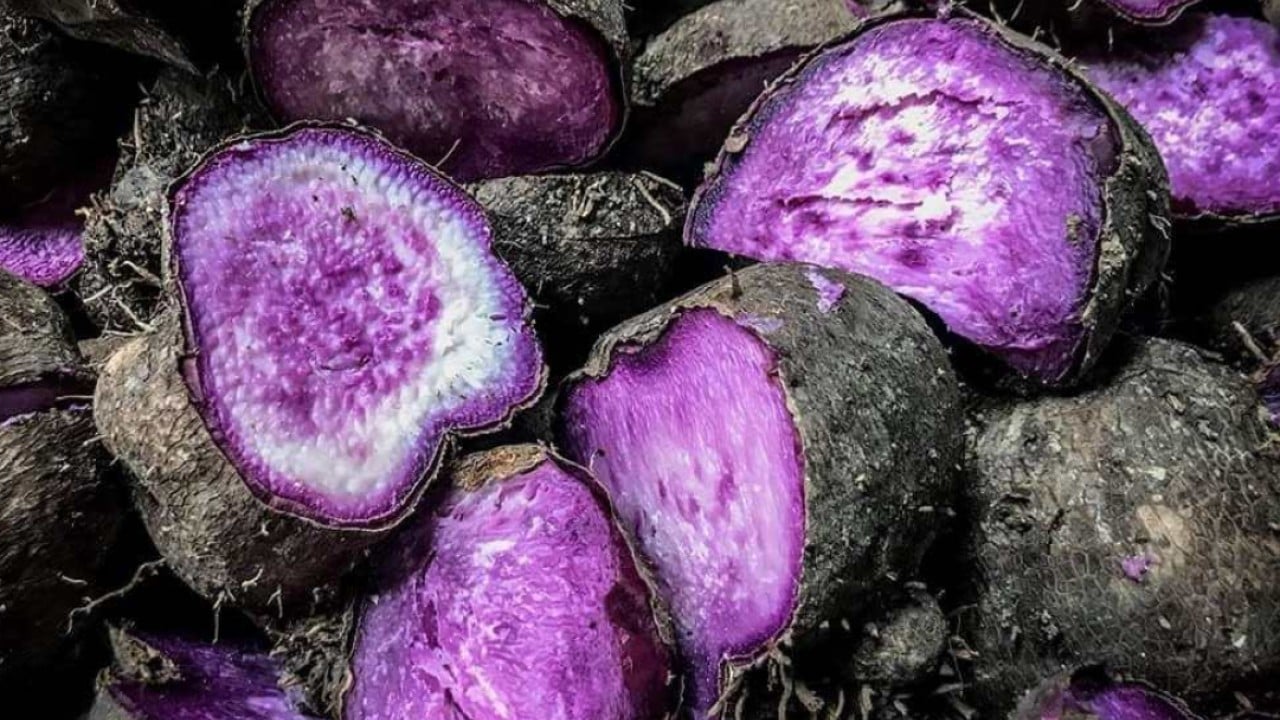
Such is the price the ubi kinampay, dubbed the “Queen of Philippine yams”, fetches. It is grown in Bohol province and nearby areas in central Philippines, and is prized for its nutty, vanilla-like flavour and distinct aroma.
However, the supply has much to catch up with the surge in demand, which faces shortfalls even back home. “Our yield … is not enough,” Maligsa said. “People call us and ask for two tonnes per month. How can we supply that?”
Today, the rest of the world has caught up with the craze, with ube showing up on the menus of bakeries, cafes, and restaurants globally.

In the United States alone, ube menu items had grown by over 200 per cent since 2022, the Philippine Daily Inquirer reported. Even popular coffee chain Starbucks has introduced a line of ube-flavoured drinks in its stores in the US and across Europe.
Don't Miss:
-
Drug Trafficking, U.S. Banks, and the Economic Reality Under Trump
-
Ivan’s Mob Beheads A Los Mayos Member
-
Ex-OFAC Official: The Cartel Risk Companies Can’t See | The InSight Take
-
Why Ecuador Is Losing Its Fight Against Organized Crime
-
‘El Cromo’ Arrested in Guadalajara; He Is Linked to a Group Affiliated with the CJNG