
 Canada revokes dozens of crypto firms’ registrations
  Questions swirl around US plans for record $15B Prince Group crypto seizure
  Donate to ICIJ
Advertisement
The stele was stolen from China in wartime more than a century ago and, as the advocates made their case, officials from the National Cultural Heritage Administration of China watched on – the clearest signal yet of Beijing’s intention to press Tokyo on the issue.
Advertisement
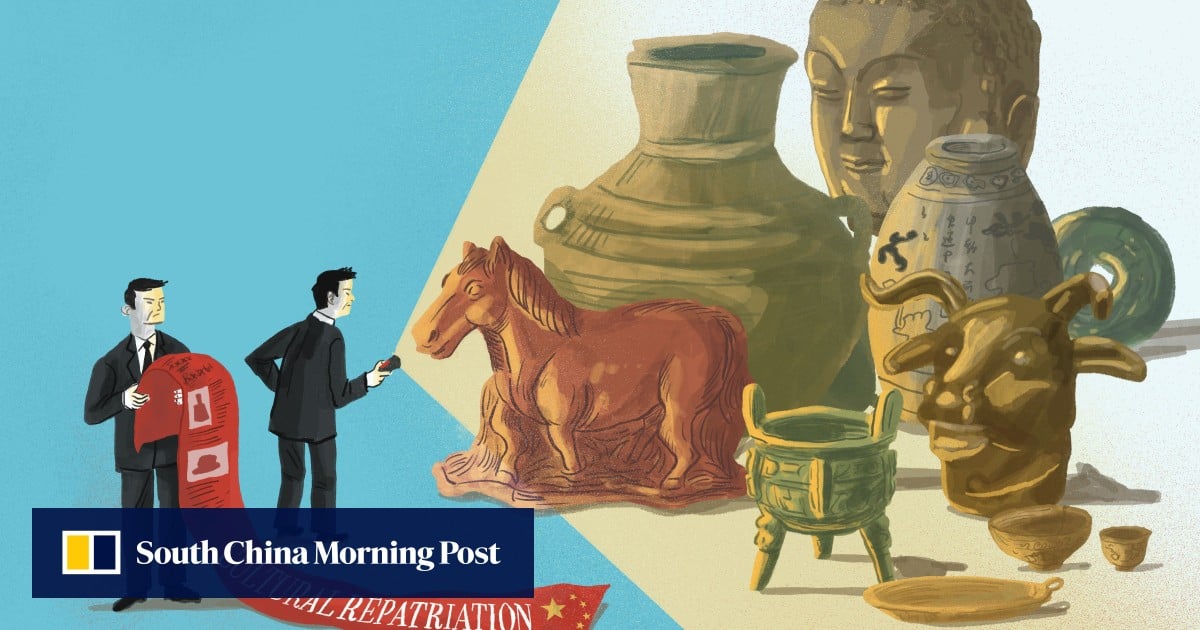
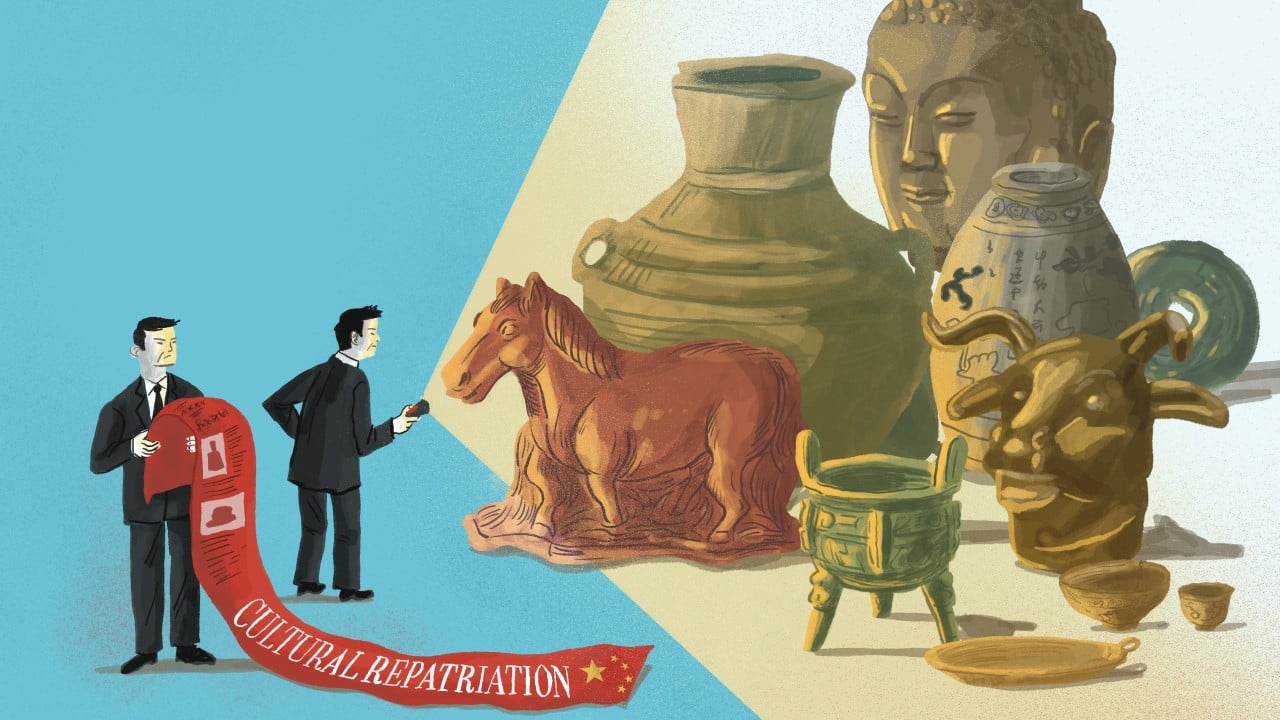
The case reflects China’s efforts to become not just a petitioner but an ambitious rules maker in global heritage restitution through a sophisticated, multipronged combination of domestic legislation, bilateral agreements, law enforcement cooperation and Global South alliances.
Yet, analysts caution, China’s ambitions may be hindered by oversimplified nationalist narratives, geopolitical tensions and the limitations of non-binding international conventions.
Don't Miss:
-
China proposes a new way to measure academic influence in a departure from impact factor
-
As Cambodia’s scam crackdown deadline looms, criminal gangs flee
-
Errors in Hong Kong Tai Po blaze hearing transcript raise transparency concerns
-
China woman uses an old photo to find brother who was lured away with bread 33 years ago
-
Kyoto is eyeing taller buildings. Critics warn it will look like ‘every other city in Japan’