
 Five years after the Pandora Papers, transparency laws lose their teeth
  How Hungary’s richest man funneled millions into Orbán’s propaganda machine
  How Real Is the US Withdrawal from the Middle East?
Advertisement
The stele was stolen from China in wartime more than a century ago and, as the advocates made their case, officials from the National Cultural Heritage Administration of China watched on – the clearest signal yet of Beijing’s intention to press Tokyo on the issue.
Advertisement
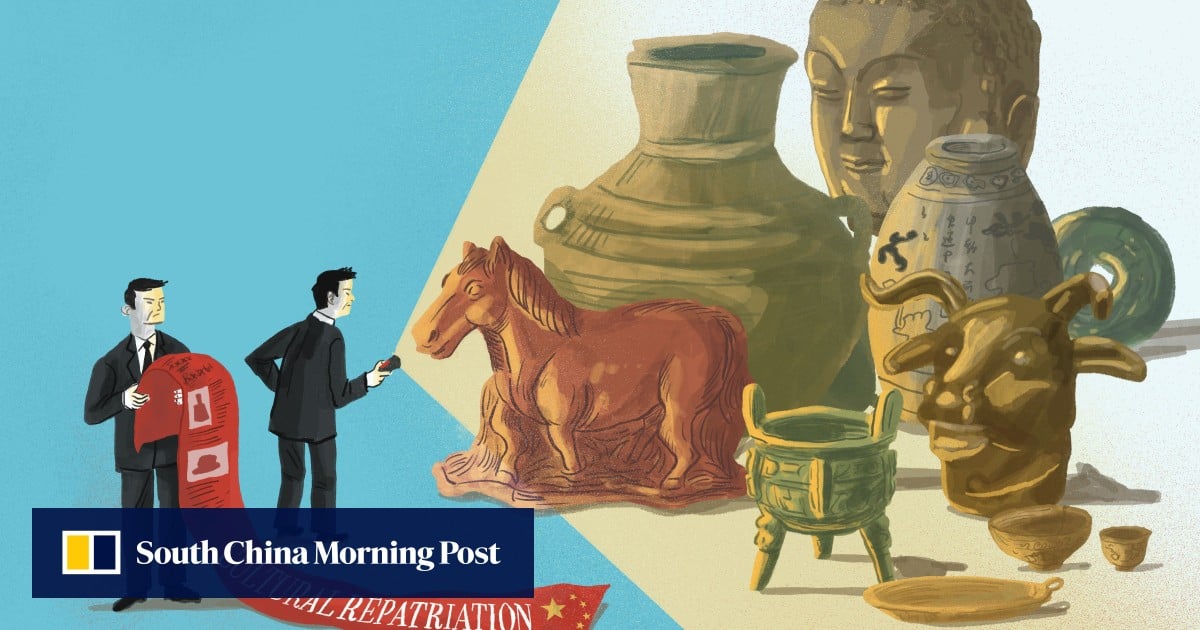
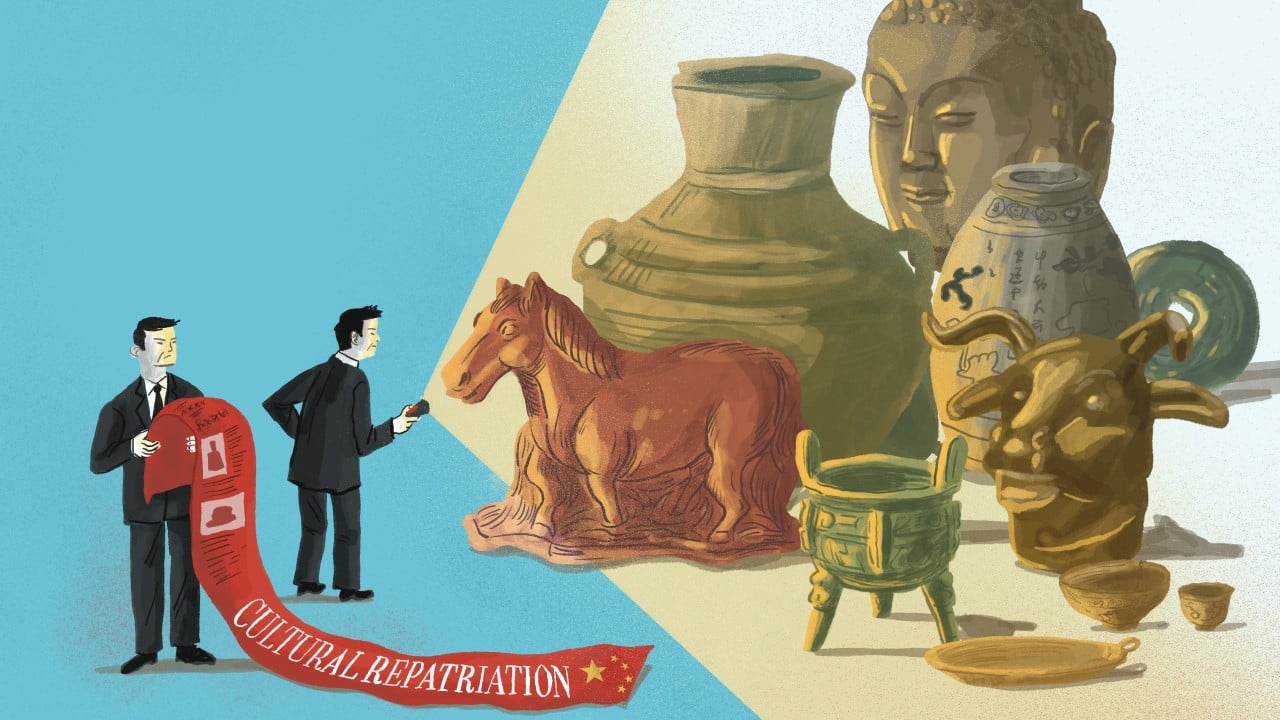
The case reflects China’s efforts to become not just a petitioner but an ambitious rules maker in global heritage restitution through a sophisticated, multipronged combination of domestic legislation, bilateral agreements, law enforcement cooperation and Global South alliances.
Yet, analysts caution, China’s ambitions may be hindered by oversimplified nationalist narratives, geopolitical tensions and the limitations of non-binding international conventions.
Don't Miss:
-
Two Years On, the Sinaloa Cartel War Changes Shape | The InSight Take
-
US wraps up military mission in Iraq, giving Baghdad room to strengthen China ties
-
As China and the EU begin crunch trade talks, optimism is in short supply
-
Data centre opposition is growing in Australia. Is there a middle ground?
-
Helper arrested for allegedly slapping 5-year-old boy after he refuses to eat