
 New documents show how a retail chain’s sales practices helped put guns on US streets
  Singapore a battleground of commodities fraud lawsuits
  From Propagandist to Criminal
 But as we turn our attention to the Inner Deep Bay area, we must sound a note of prudence: not all nature is created equal and not all landscapes are suited for unfettered footfall.
Advertisement
Mai Po and the Inner Deep Bay are not merely another scenic getaway. They are a wetland of international importance designated under the Ramsar Convention. This is not a bureaucratic label; the Ramsar designation is a global recognition of an ecosystem with a distinct conservation function. While country parks were often established for recreation, Mai Po is a reserve.
Its primary objective is, and must remain, biodiversity conservation, particularly for migratory waterbirds. Its secondary, but equally vital, objective is environmental education: to foster public understanding and support for wetland conservation through responsible, low-impact access. In this sense, Mai Po and a country park serve different purposes; like apples and oranges, difficult to compare directly. This leads us to the core question: what are the risks and benefits of promoting tourism here?
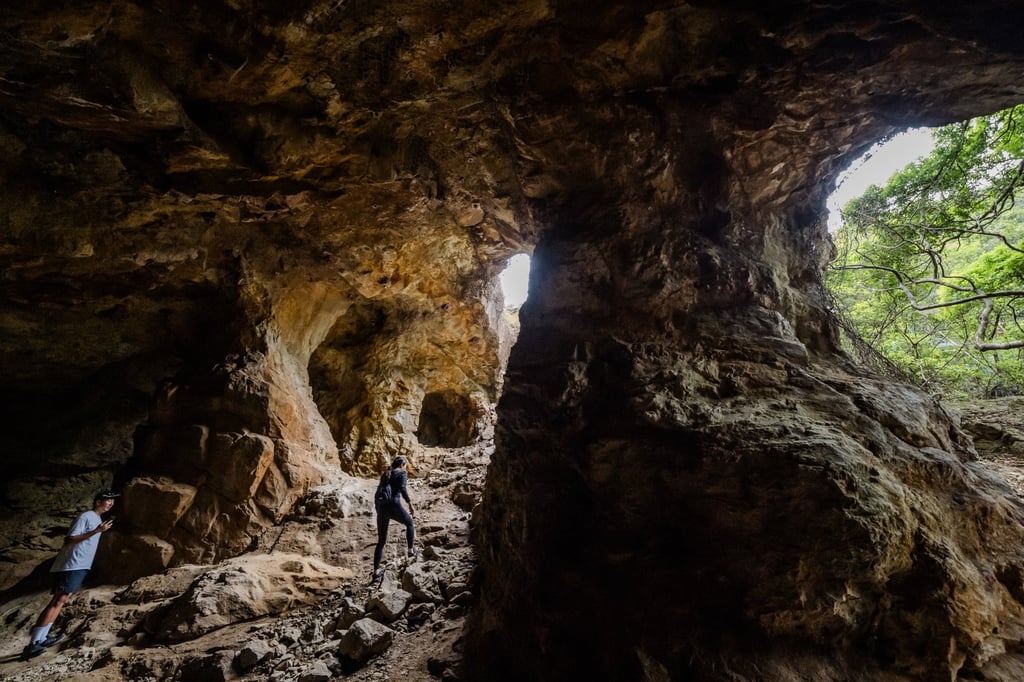
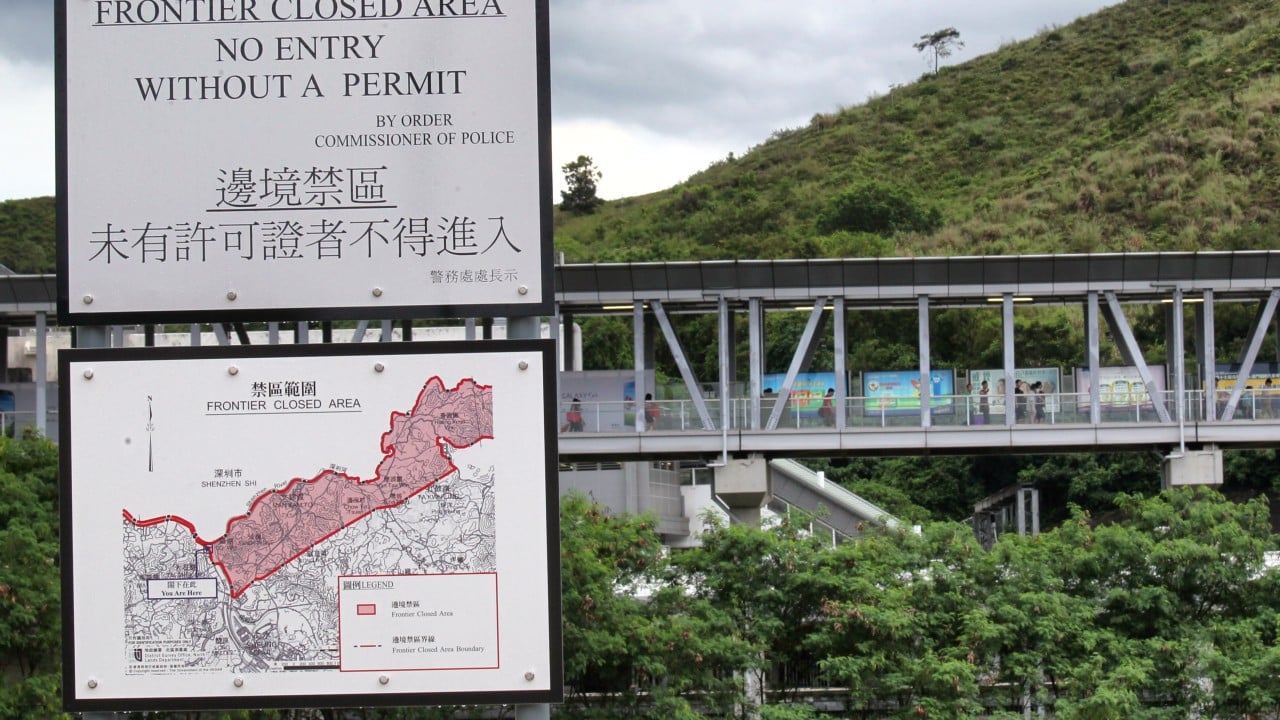
First, let us address a misconception. The proposed relaxation of the Closed Area status does not automatically throw open the gates of the Mai Po nature reserve. The reserve is protected as a restricted area under the Wild Animals Protection Ordinance. Access is, and will continue to be, controlled by a permit system managed by the Agriculture, Fisheries and Conservation Department. This legal protection is our first and most important line of defence.
Don't Miss:
-
Former American Idol singer Caleb Flynn sentenced to life in prison for wife’s murder
-
Bogota mayor presses Chinese-led consortium for more metro workers as auditors flag delays
-
ICC unseals arrest warrants for 4 Taliban leaders wanted on gender persecution charges
-
Quebec votes in provincial election as separatist surge poses test for Canada’s PM Carney
-
“Here, We Confront Drug Traffickers Daily… And The U.S.?”