
 When Great Powers Talk, Who Speaks for Asia
  About the China Capital investigation
  Frequently asked questions about the China Capital investigation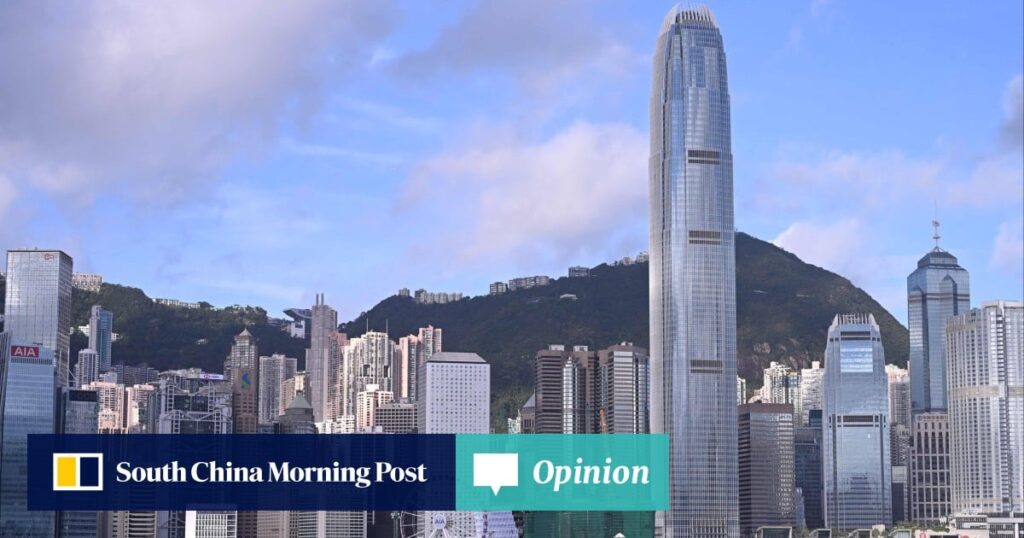
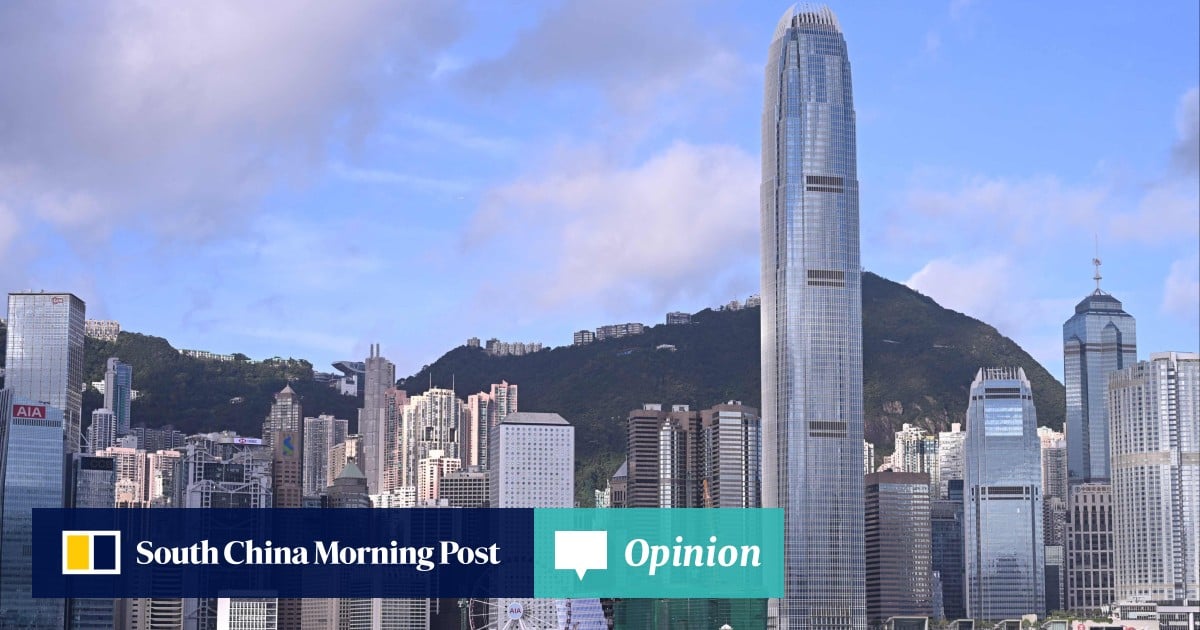
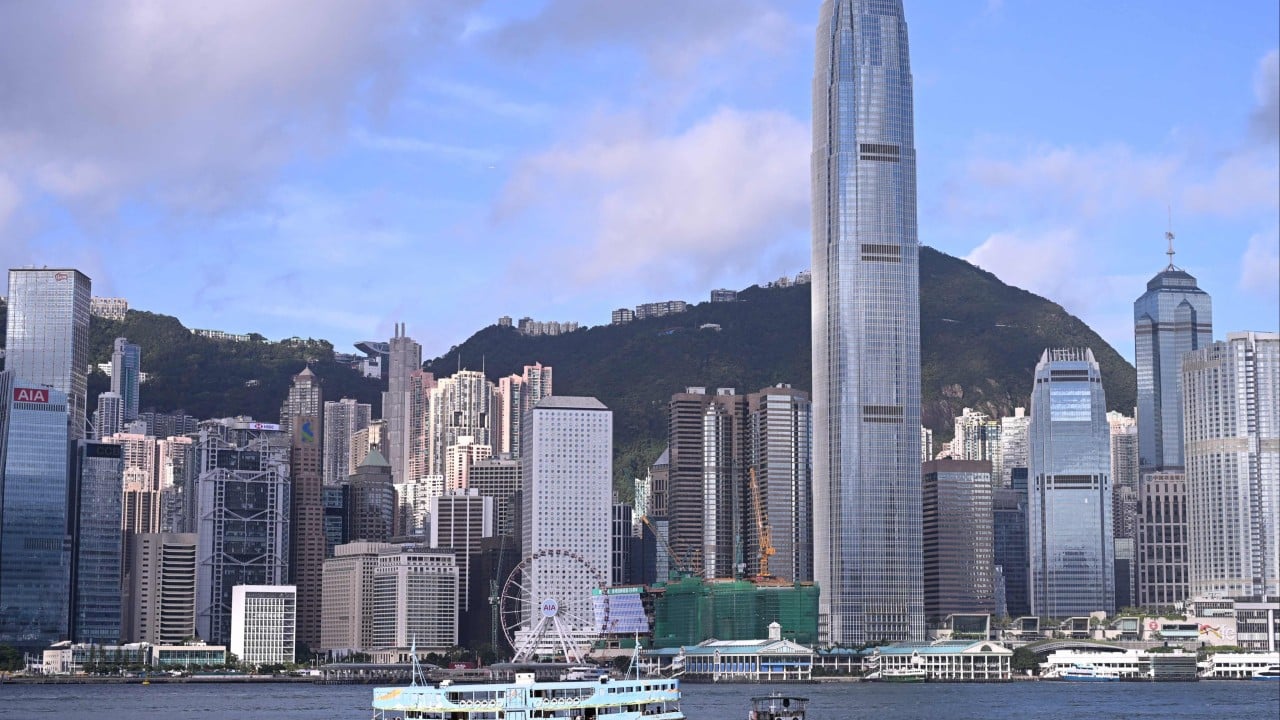
Success will depend on three mutually reinforcing pillars – deeper integration with the mainland, seamless connectivity across the border and greater contribution to the national economy.
To achieve greater convergence with mainland China’s technology-driven economy, Hong Kong is building science and technology parks in the Northern Metropolis, a region spanning 30,000 hectares bordering Shenzhen. Yet a service-based economy cannot build a globally competitive technology cluster from scratch. Hong Kong’s success will depend on combining the mainland’s scientific and technological strengths with the city’s internationally connected capital markets, universities and legal institutions.
Hong Kong being a special administrative region of China but a separate legal jurisdiction and customs territory under the World Trade Organization, deeper integration with the Chinese mainland requires ingenious schemes to overcome existing hurdles that inhibit the free movement of people, goods, capital, data and intangible assets.
Authorities in the Chinese mainland and Hong Kong have invested heavily in physical infrastructure that allows for the movement of large numbers of passengers across the border. Eight land control points for travel by road or by rail are already in place between Hong Kong and Shenzhen, and at least one more is in the pipeline.
Don't Miss:
-
China urges ‘constructive dialogue’ with EU in high-level call with France
-
Hong Kong airport builds third runway with strategy to help marine environment thrive
-
Cambodia, Thailand take US$300 billion seabed dispute to UN
-
Hong Kong visitor arrivals hit post-pandemic monthly high in August
-
Indonesian finance minister found out about his firing in mid-meeting phone call