
 How Real Is the US Withdrawal from the Middle East?
  From Iran to China: An Emerging Trans-Central Asian Corridor
  New documents show how a retail chain’s sales practices helped put guns on US streets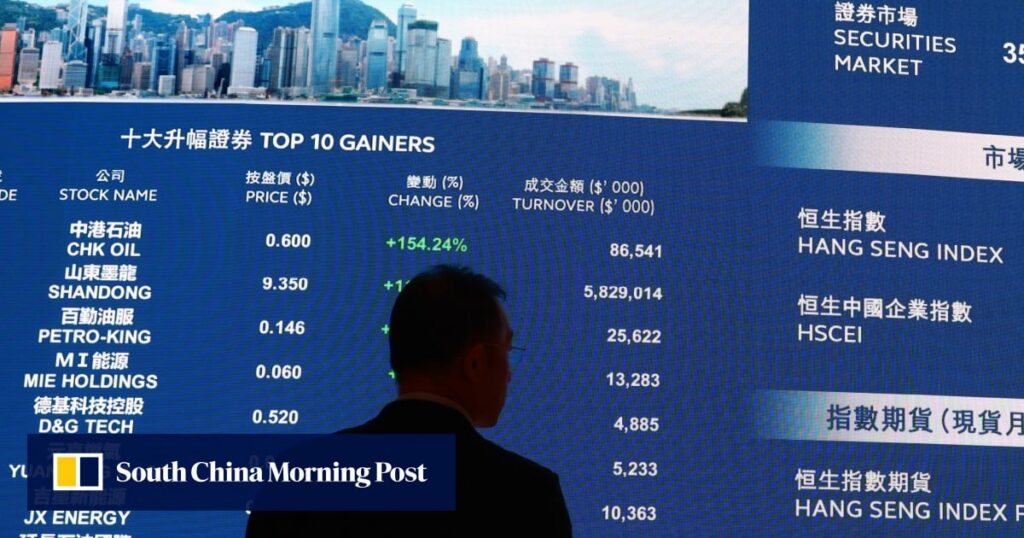
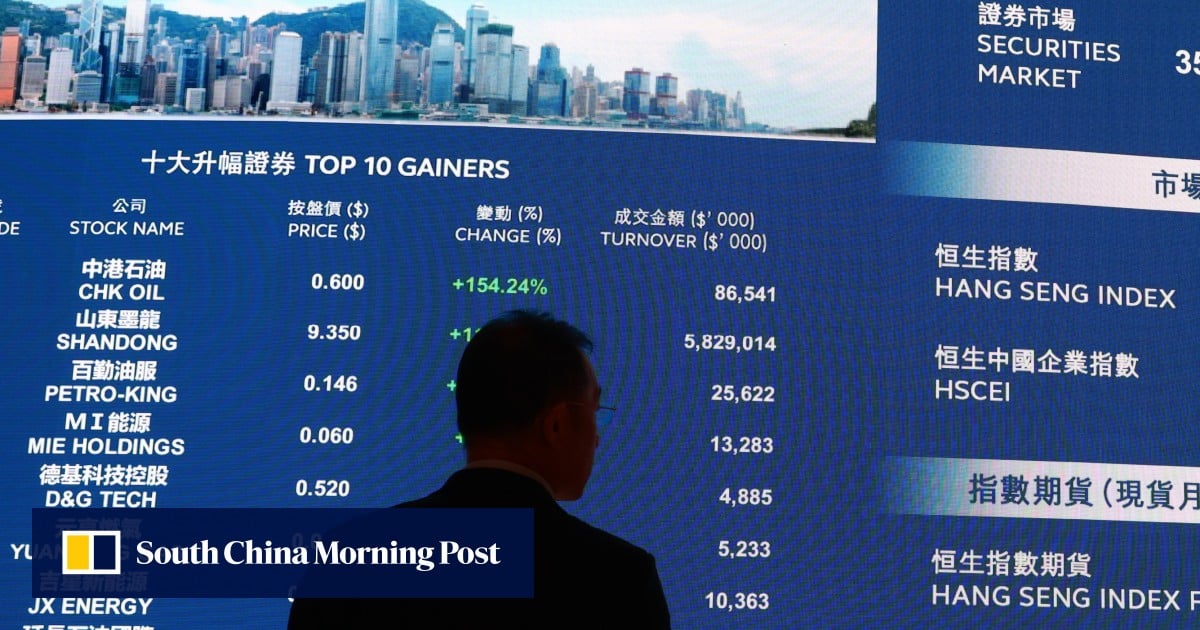
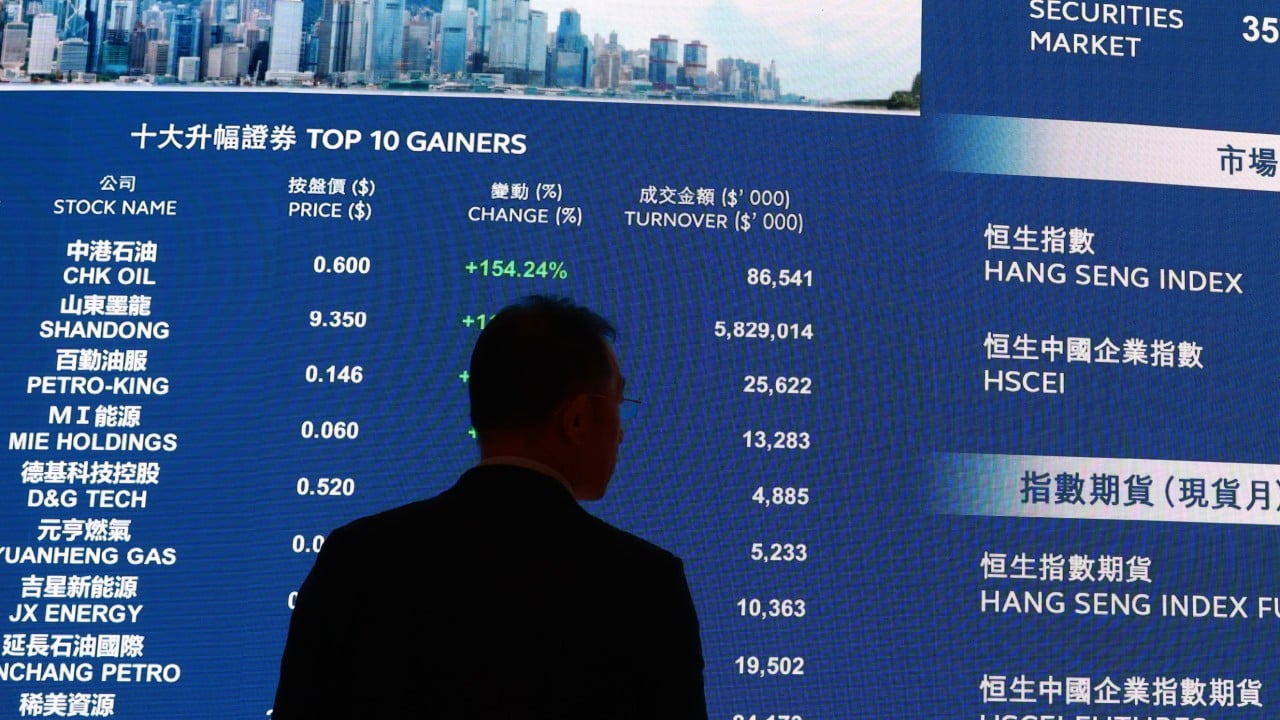
Hong Kong stocks dropped on Monday as escalating tensions in the Middle East sent oil prices to recent highs.
Over the weekend, Yemen’s Iran-backed Houthi rebels launched attacks directly on Israel, which intensified strikes on Tehran. The US has also deployed additional military forces to the Middle East.
The escalation pushed up oil prices, with Brent crude jumping as much as 3.7 per cent to US$116.80 a barrel, its highest in more than a week, while West Texas Intermediate rose to US$101 a barrel.
Advertisement
The Hang Seng Index fell 0.9 per cent to close at 24,727.84 at the noon break. The Hang Seng Tech Index dropped 1.7 per cent. On the mainland, the CSI 300 Index retreated 0.2 per cent and the Shanghai Composite Index gained 0.2 per cent.
Markets across Asia declined. Japan’s Nikkei 225 fell 3.4 per cent and South Korea’s Kospi slumped 3 per cent. In Australia, the S&P/ASX 200 lost 0.7 per cent.
Advertisement
Asia faces the greatest exposure among energy importers. In 2024, nearly 80 to 85 per cent of the oil and liquefied natural gas passing through the Hormuz Strait flowed to Asian markets, primarily China, India, Japan and South Korea, according to Lazard Geopolitical Advisory.
Don't Miss:
-
Canada will not allow assisted suicide for those with only mental illness
-
Trump wants to turn Florida golf course into presidential retreat
-
US proposes US$70,000 fee for foreign students to work after graduation
-
France halts use of stun grenades in policing of student protests
-
The Jalisco Cartel: At Its Weakest Point in History