
 Trump administration gave firm with ties to ballroom donor the green light to do business with a sanctioned Russian bank
  Claire Sylvia on the Constitutionality of the False Claims Act
  School shootings in the Philippines put gun access under scrutiny
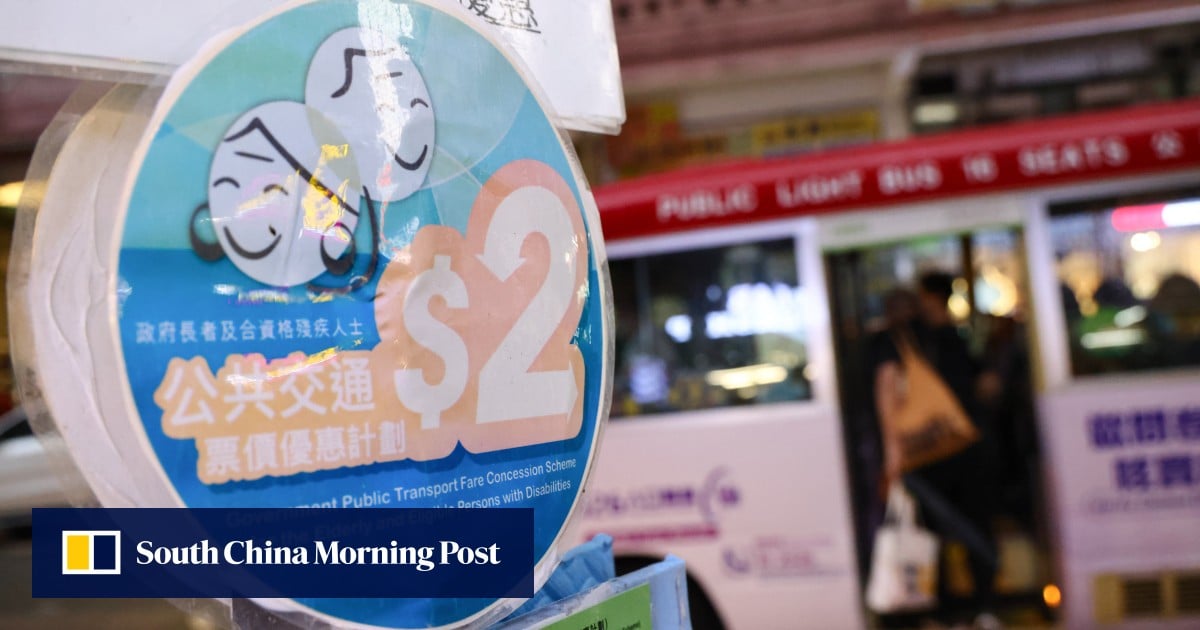
Changes to Hong Kong’s public transport subsidy scheme saved the government HK$69 million (US$8.8 million) in the first month, with fewer elderly and disabled commuters taking expensive long-haul routes for short trips, the welfare minister has said.
Secretary for Labour and Welfare Chris Sun Yuk-han said on Saturday that, following revisions to the concessionary fare scheme that took effect on April 3, the average government subsidy for trips costing more than HK$10 fell from HK$4.90 in March to HK$4.50 per journey in April.
“The reduction in government subsidies means that fewer people are taking long-distance rides than before,” Sun said.
Advertisement
Under the new “HK$2 flat rate or 80 per cent discount” model, beneficiaries pay HK$2 for journeys with an adult fare of HK$10 or less, and 20 per cent of fares above that threshold.
The revamp is aimed at discouraging commuters from taking pricier long-haul routes for short journeys and is expected to save the government HK$550 million a year.
Advertisement
He cited a greater need for travel among some passengers with disabilities as well as an estimated cost of about HK$30 million for system updates and testing to introduce the cap, which would outweigh annual savings of several hundred thousand Hong Kong dollars in public funds.
Don't Miss:
-
The US-China tech war has evolved since the last Xi-Trump summit. Who has the edge now?
-
Canada’s British Columbia sues OpenAI in US court over school shooting
-
Top US Senate Democrat Jeanne Shaheen warns Trump not to waver on Taiwan ahead of Xi meet
-
UK PM Burnham agrees to Saudi request for refuelling support
-
Zelensky and US spy chief Ratcliffe meet in Ireland, sources say