 On state visits and foreign relations, Xi Jinping’s grip on power, Malaysia Indians, and other stories | Asia Sentinel Stories of the Week
 Vietnam–Japan 2050: From Strategic Trust to a Shared Indo-Pacific Future
 Malaysian Indians: A Diminishing Voice in a Changing Nation
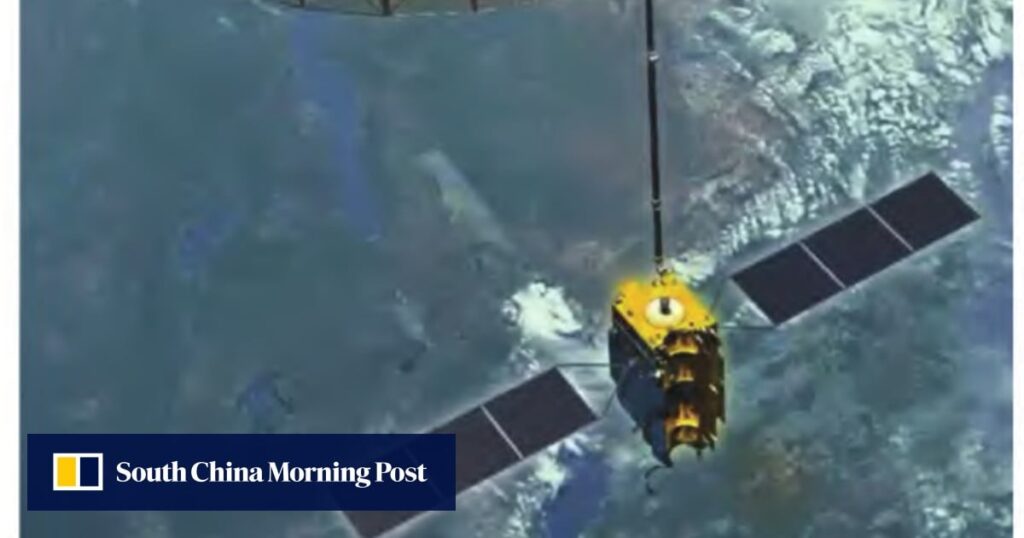
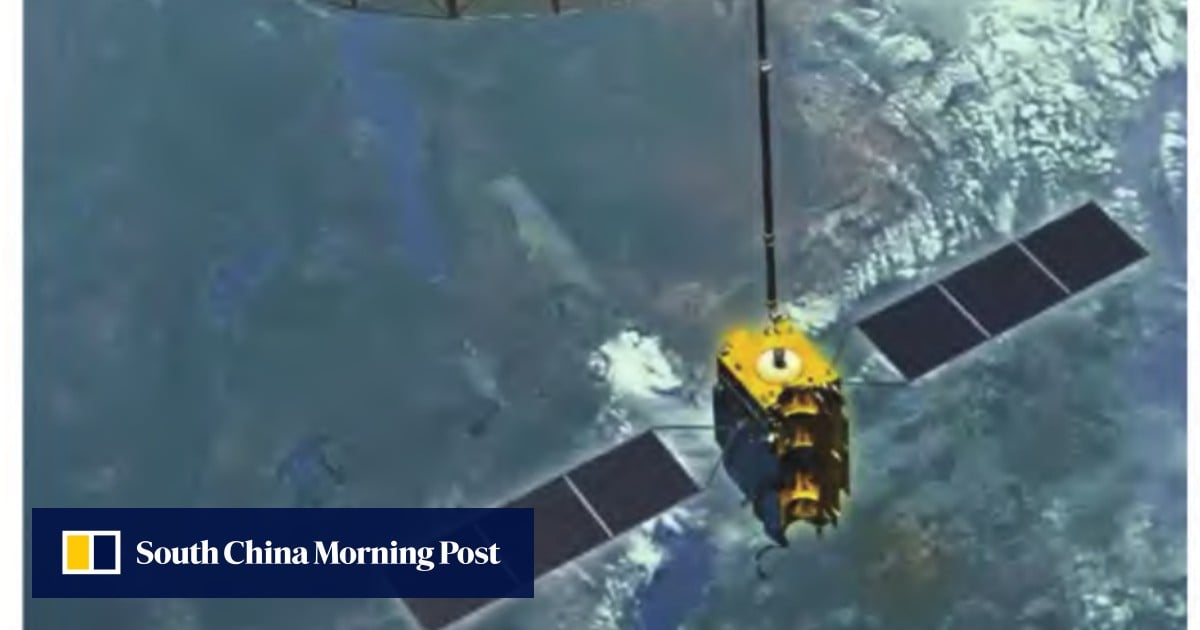
A satellite that can provide 24/7 surveillance of a third of the Earth’s surface relies on a rare mineral whose global supply is dominated by China, a new study has disclosed.
It orbits 36,000km (22,000 miles) above the Earth and is able to stay in what is known as a geosynchronous orbit, which keeps it fixed over the same spot.
This allows it to monitor both large areas of the planet and moving targets – something the United States has spent decades trying to achieve without success.
China has near-total dominance of the global supply of GaN – a key component in active electronically scanned array radars, electronic warfare systems and next-generation defence platforms – and has restricted gallium exports since the satellite launched in August 2023.
The metal is mainly extracted as a by-product of alumina production rather than mined independently and China, the world’s largest aluminium producer, accounts for more than 95 per cent of global primary gallium production.