
 When Great Powers Talk, Who Speaks for Asia
  About the China Capital investigation
  Frequently asked questions about the China Capital investigation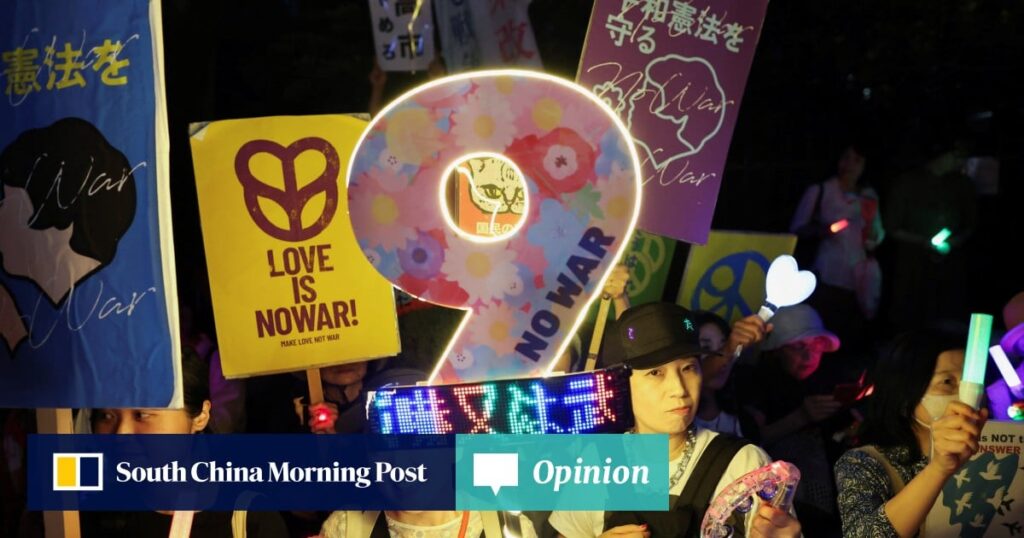
People always talk knowingly about Weimar, a period of extremes: artistic and social-sexual decadence, democratic liberalism and the radicalisation of the left and the right, before Germany’s descent into Hitlerian hell. The city as a symbol, close to the site of the former Buchenwald concentration camp, is back in the news, well, at least the op-ed pages of the Western press.
That’s rarely a good sign. “The new crisis [in Germany] seems uncomfortably familiar because, in some respects, it resembles the one that engulfed the Weimar Republic a century ago,” Katja Hoyer, author of Weimar: Life on the Edge of Catastrophe, wrote in Bloomberg.
I leave it to erudite commentators to fret about the return of Weimar as a political metaphor and its implications for the future of Germany and Europe.
Advertisement
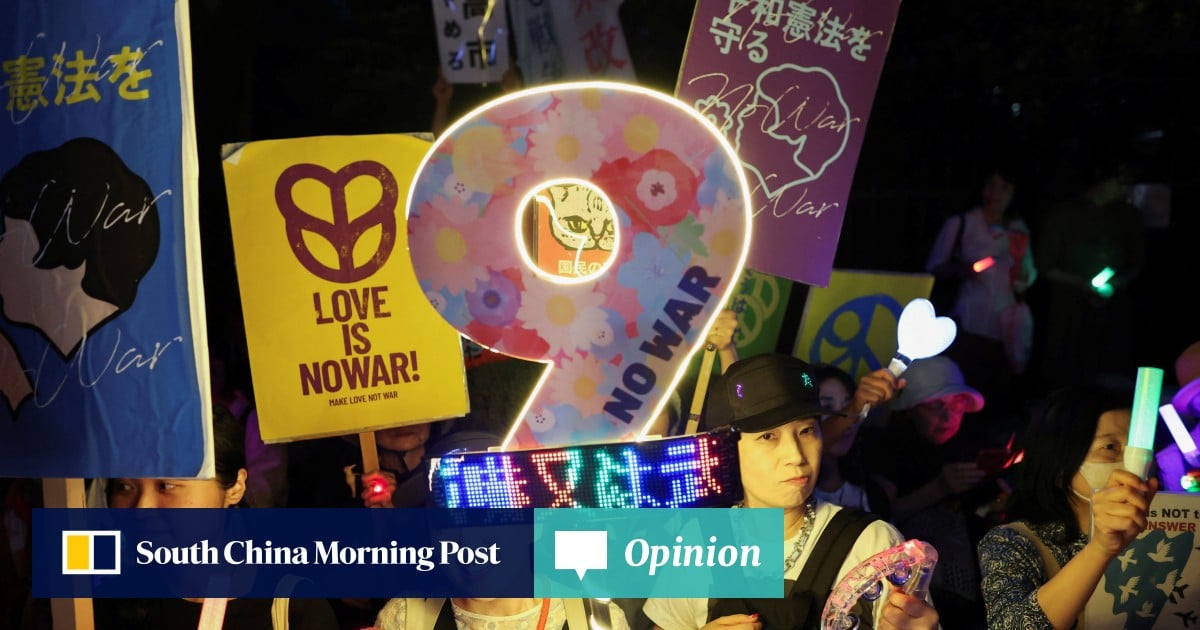
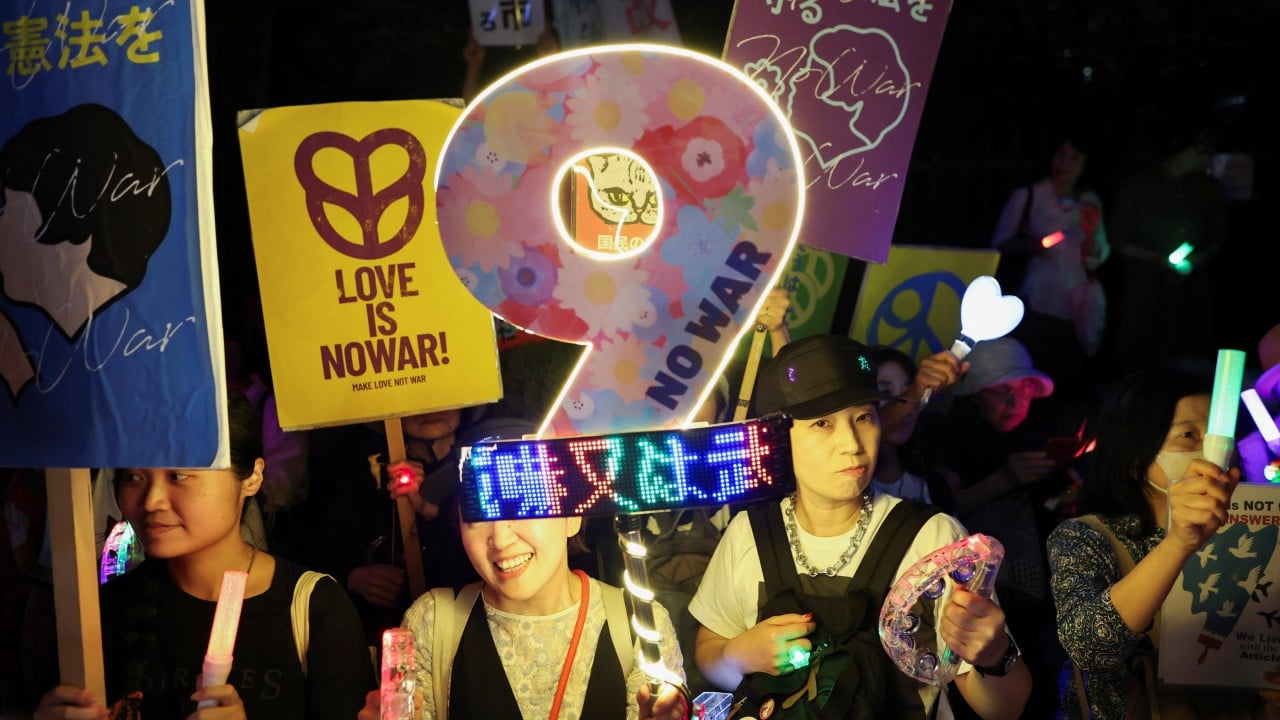
Those of us from Asia ought to reflect more on something similar but usually ignored: the Taisho period in Japan. This liberal but unstable period partially coincided with Weimar and was essentially the Japanese version of it. And, of course, it was followed by the Early Showa period, which was characterised by fanatical militarism that eventually turned most of Asia into a living hell.
Advertisement
But it looks eerily like a repeat of the Taisho period before all hell broke loose. No wonder Japan’s neighbours are unnerved.
Don't Miss:
-
China urges ‘constructive dialogue’ with EU in high-level call with France
-
Hong Kong airport builds third runway with strategy to help marine environment thrive
-
Cambodia, Thailand take US$300 billion seabed dispute to UN
-
Hong Kong visitor arrivals hit post-pandemic monthly high in August
-
Indonesian finance minister found out about his firing in mid-meeting phone call