
 New documents show how a retail chain’s sales practices helped put guns on US streets
  Singapore a battleground of commodities fraud lawsuits
  From Propagandist to Criminal
 Longer transit times, missed sailings and sharply higher insurance premiums are now rippling across the region’s logistics chain, with wine, spirits and other time-sensitive goods acting as an early indicator of disruption that analysts say will eventually push up prices on shop shelves and restaurant tables.
The Strait of Hormuz has been largely shut since late February, when the US and Israeli war on Iran triggered a blockade that brought shipping through the waterway to a near standstill.
Advertisement
The narrow waterway between Iran and Oman is the only sea route out of the Persian Gulf and normally carries about a quarter of the world’s seaborne oil, along with a fifth of its liquefied natural gas.
A brief reopening earlier this month collapsed on Saturday, when Iran re-closed the strait in response to a US naval blockade of Iranian ports.
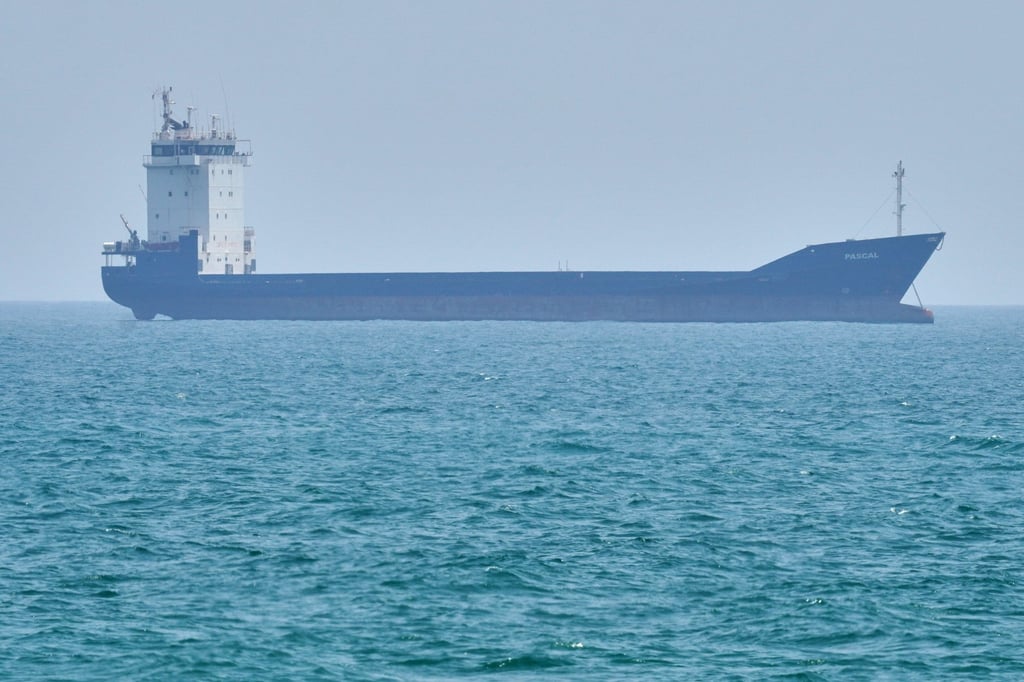
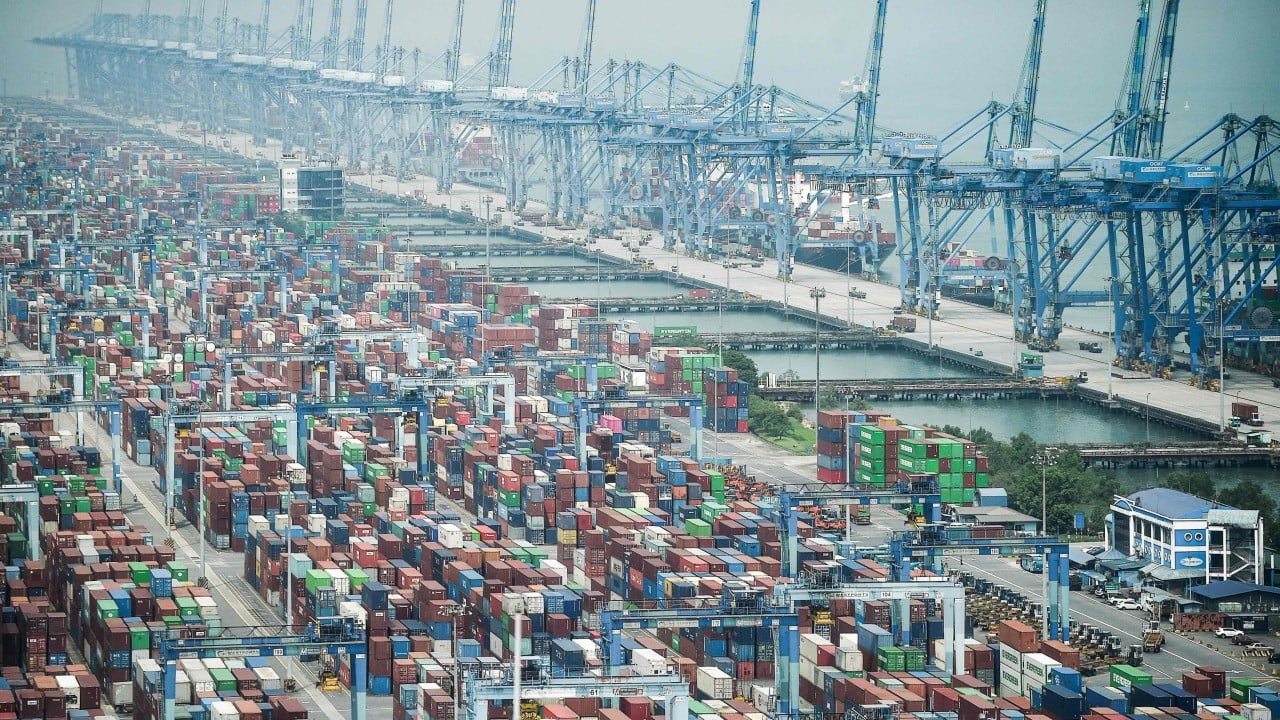
The strain is already visible at the logistics level.
Advertisement
Don't Miss:
-
Former American Idol singer Caleb Flynn sentenced to life in prison for wife’s murder
-
Bogota mayor presses Chinese-led consortium for more metro workers as auditors flag delays
-
ICC unseals arrest warrants for 4 Taliban leaders wanted on gender persecution charges
-
Quebec votes in provincial election as separatist surge poses test for Canada’s PM Carney
-
“Here, We Confront Drug Traffickers Daily… And The U.S.?”