
 When Great Powers Talk, Who Speaks for Asia
  About the China Capital investigation
  Frequently asked questions about the China Capital investigation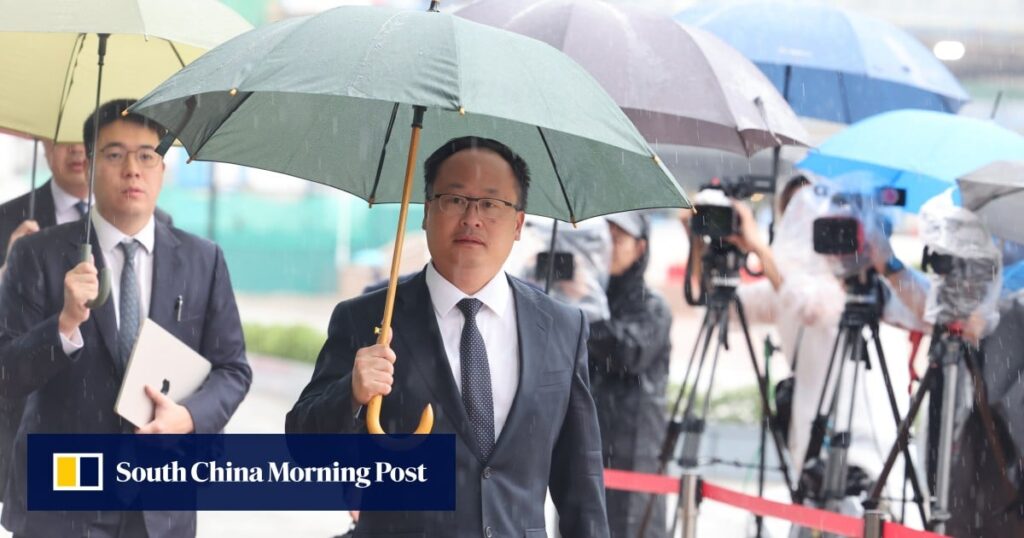
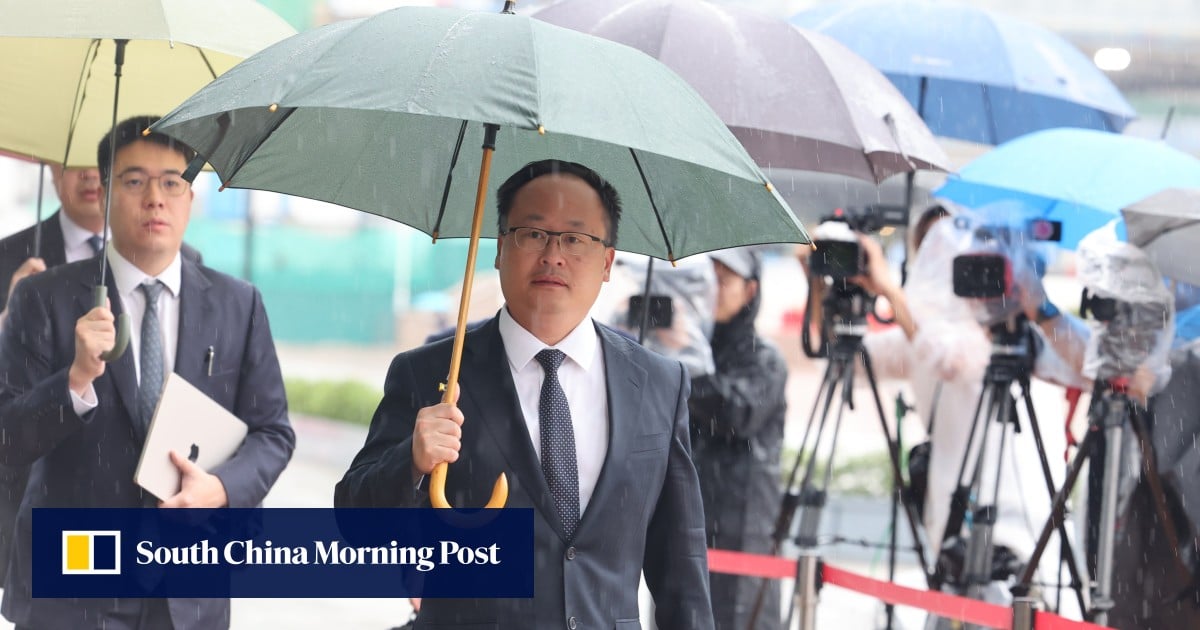
Wrapping up the government’s arguments at an independent committee inquiry into the tragedy, Jenkin Suen SC on Thursday attributed the inferno to the “deceit, inaction and deliberate omission” of contractors who exploited regulatory regimes founded on the trust and confidence that authorities had placed in the private sector.
Suen acknowledged that the disaster had exposed systemic vulnerabilities, including the government’s overreliance on professional self-regulation, insufficient oversight, gaps in guidelines and interdepartmental miscommunication, as well as an inability to apply technology to detect malpractice.
But he warned against characterising “weaknesses” and “room for improvement” in the system as the primary causes of the fire, saying the legislative framework had been developed in response to sustained calls in society to streamline regulatory procedures, reduce compliance costs and avoid disproportionate requirements for low-risk construction works.
“The government can understand why authorities’ failures are often subject to strict public scrutiny, but one must not lose sight of other stakeholders,” he said.
Don't Miss:
-
China urges ‘constructive dialogue’ with EU in high-level call with France
-
Hong Kong airport builds third runway with strategy to help marine environment thrive
-
Cambodia, Thailand take US$300 billion seabed dispute to UN
-
Hong Kong visitor arrivals hit post-pandemic monthly high in August
-
Indonesian finance minister found out about his firing in mid-meeting phone call