
 When Great Powers Talk, Who Speaks for Asia
  About the China Capital investigation
  Frequently asked questions about the China Capital investigation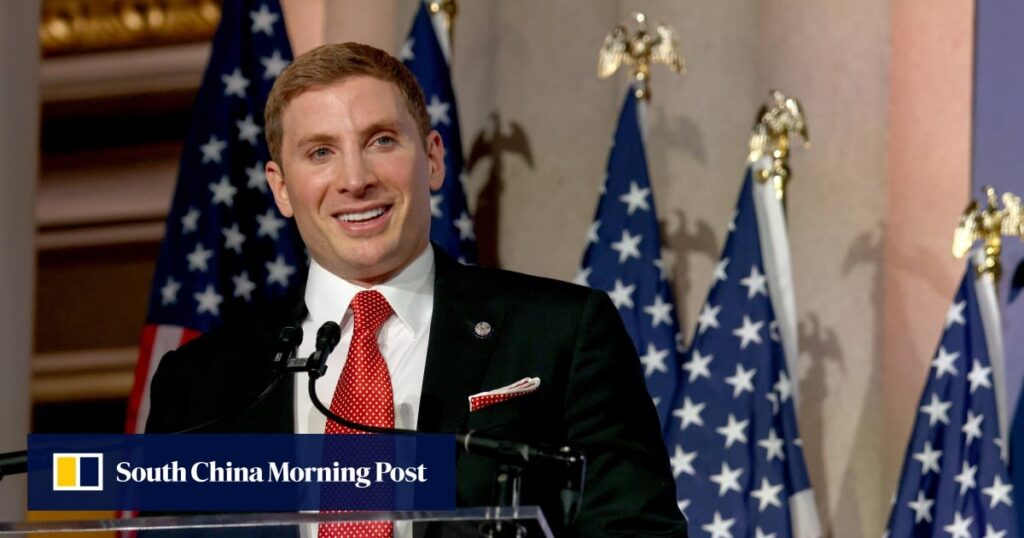
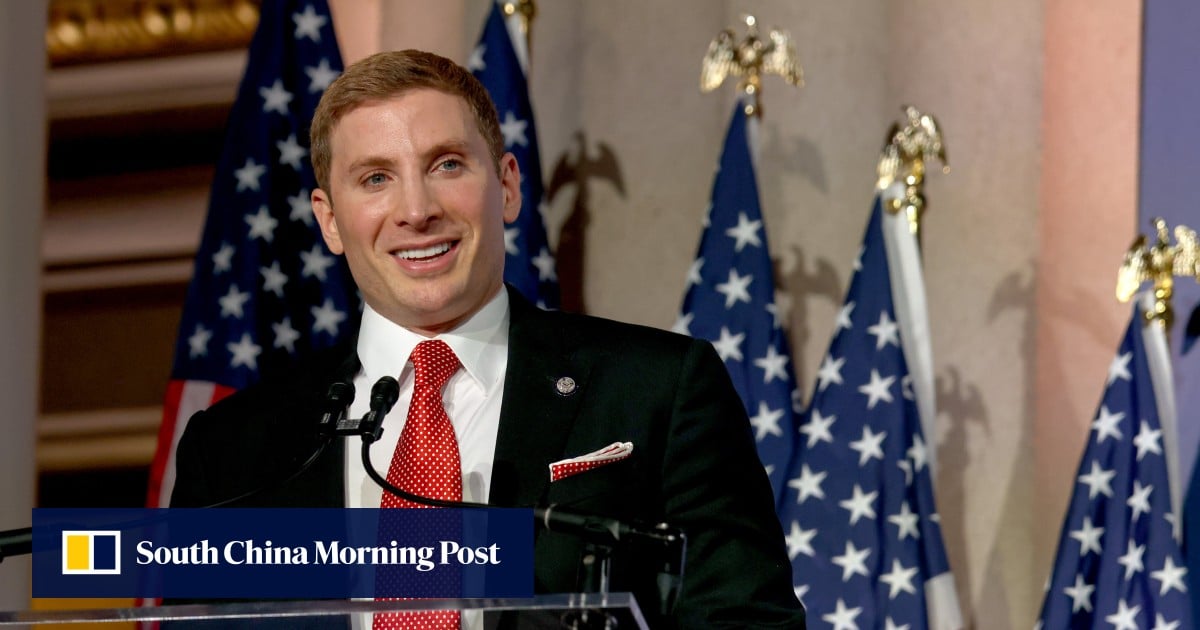
The struggle between the US and China over who will lead in artificial intelligence is one of the defining competitions of our time. In this first part of our exclusive interview with a key player defining Washington’s policy on AI, US undersecretary of state for economic affairs Jacob Helberg discusses the ban on foreign access to Anthropic models and how the US can maintain its edge.
“We do not want cyberattacks on our critical infrastructure or the critical infrastructure of our allies,” Jacob Helberg, US undersecretary of state for economic affairs, told the South China Morning Post in an exclusive interview.
Helberg, who leads Washington’s Pax Silica initiative – which also counts 22 other nations, plus the European Union, as signatories – said the administration had assessed how advanced AI models could be released safely.
“We undertook a process to make sure that we can have a sensible approach to releasing that technology in a way that is safe and secure for our critical infrastructure and our financial sector,” he said.
Don't Miss:
-
China urges ‘constructive dialogue’ with EU in high-level call with France
-
Hong Kong airport builds third runway with strategy to help marine environment thrive
-
Cambodia, Thailand take US$300 billion seabed dispute to UN
-
Hong Kong visitor arrivals hit post-pandemic monthly high in August
-
Indonesian finance minister found out about his firing in mid-meeting phone call