
 The Taliban’s New War Begins at Home
  Panama removed from EU’s tax haven ‘blacklist’ a decade after the Panama Papers
  Crackdown and Controversy: The Battle Over Beach Bars and Noise in Phuket’s Bang Tao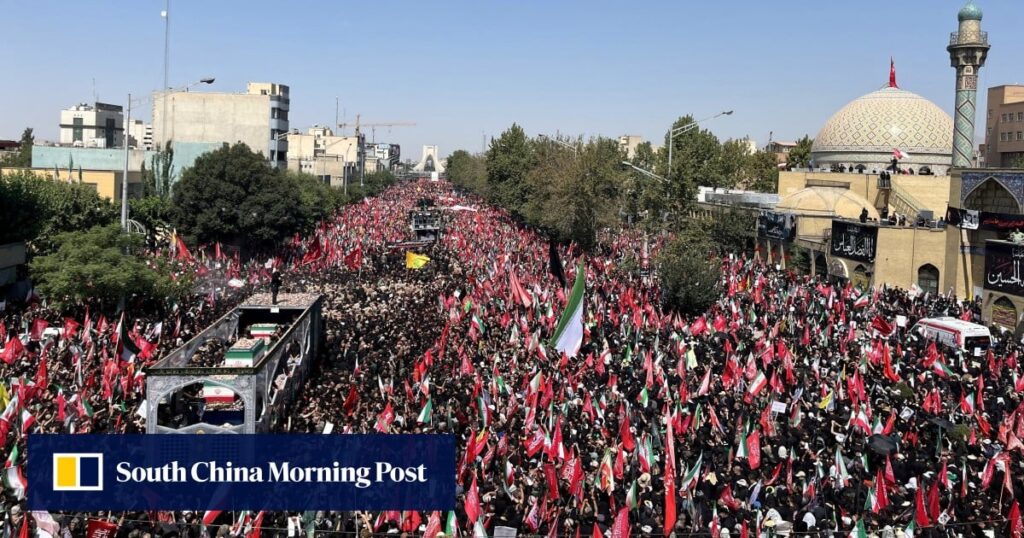
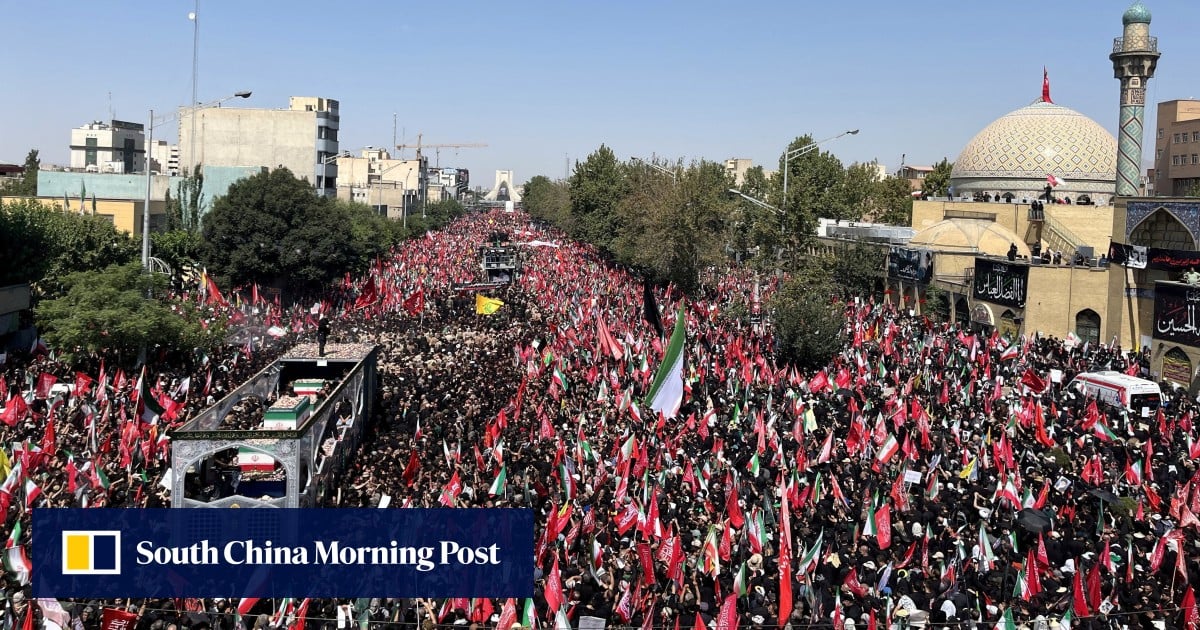
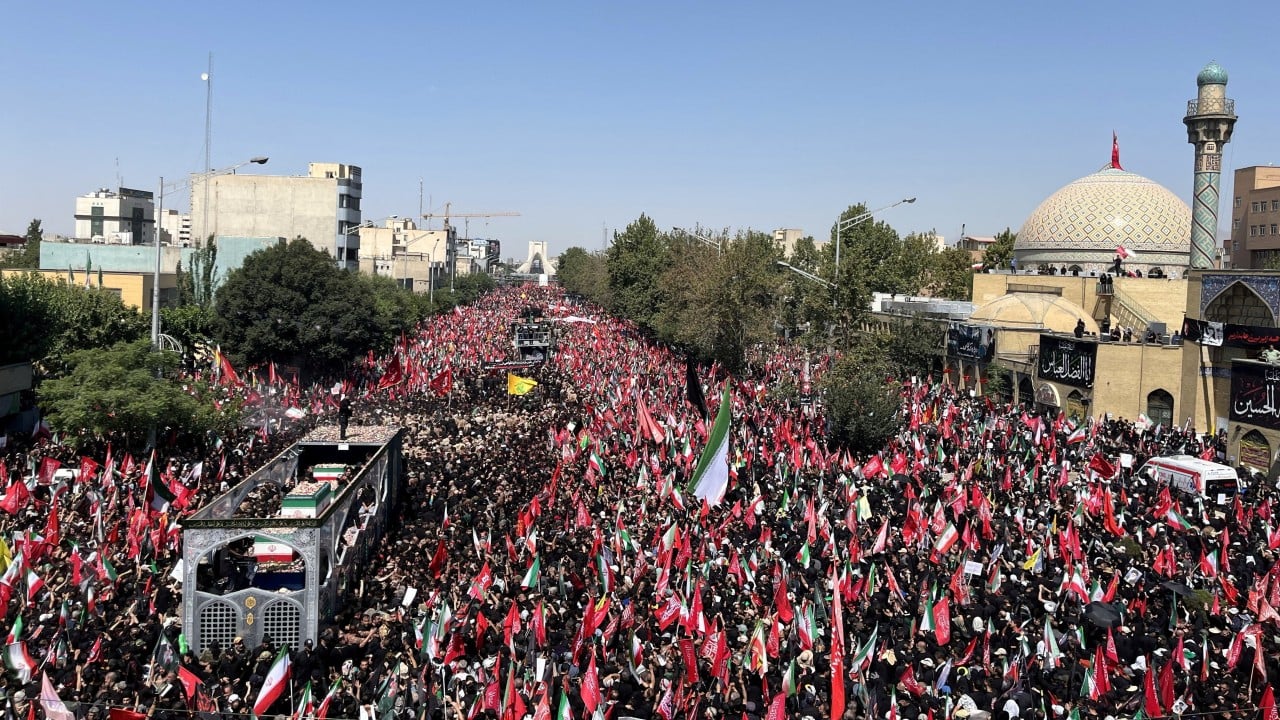
The funeral procession for Iran’s late supreme leader Ali Khamenei began in Tehran on Monday, state television reported, as authorities prepared for crowds that could rival those that turned out for his predecessor nearly four decades ago.
The ceremonies offer Iran an opportunity to project resilience after war with the United States and Israel, while attention remains focused on Khamenei’s successor, his son Mojtaba Khamenei, who has not appeared in public since taking power.
After lying in state for two days at Tehran’s Grand Mosalla religious complex, the body of Khamenei – who was killed on the first day of the Middle East war on February 28 – began its journey through the capital accompanied by massive crowds of mourners, state broadcaster IRIB reported.
Mourners gathered in Imam Hussein Square in eastern Tehran and hanged an effigy of US President Donald Trump, according to state media.
Authorities are hoping to avoid a repeat of the chaos that marred the 1989 funeral of Khamenei’s predecessor Ayatollah Ruhollah Khomeini, which drew an estimated 10 million people, according to state news agency IRNA.
Crowd surges in Khomeini’s funeral killed more than 10 people and injured over 10,000.
Don't Miss:
-
Drug Trafficking, U.S. Banks, and the Economic Reality Under Trump
-
Ivan’s Mob Beheads A Los Mayos Member
-
Ex-OFAC Official: The Cartel Risk Companies Can’t See | The InSight Take
-
Why Ecuador Is Losing Its Fight Against Organized Crime
-
‘El Cromo’ Arrested in Guadalajara; He Is Linked to a Group Affiliated with the CJNG