
 Michael Marx on Corporate Campaigns in the USA
  Losing language and culture in Xinjiang
  Manila’s EV ambitions confront economic and energy realities
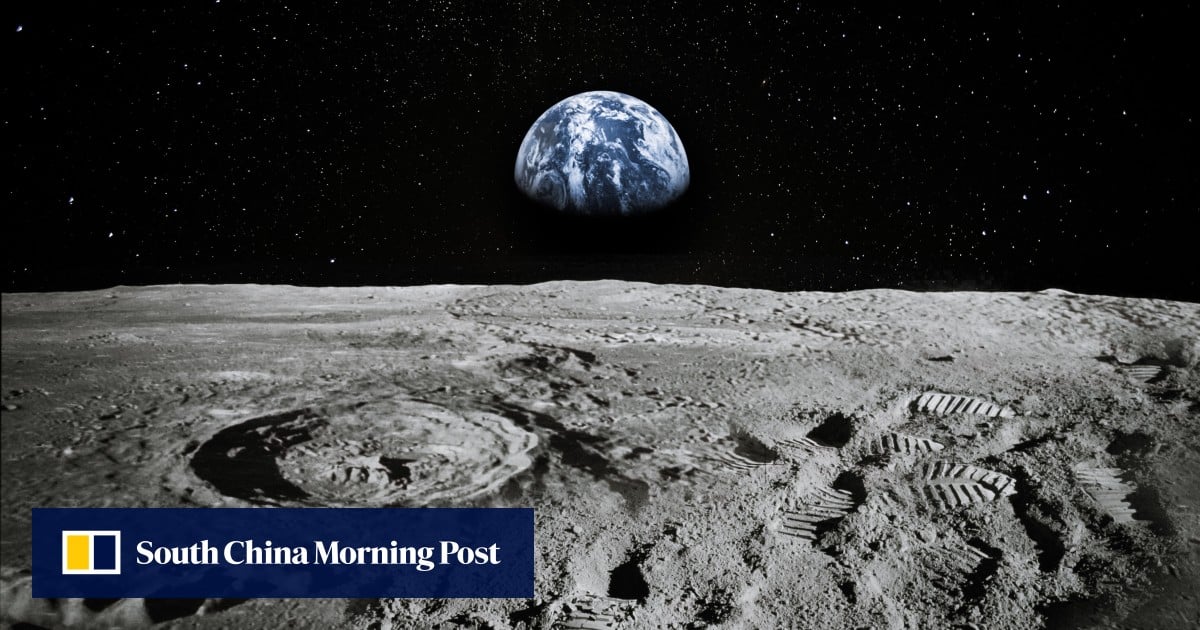
Legendary inventor Nikola Tesla’s dream of transmitting electricity wirelessly never became a reality on Earth.
Instead of relying on long cables or heavy batteries, future lunar rovers exploring these craters could receive power through laser beams transmitted from solar-powered stations positioned on nearby sunlit peaks, according to researchers from the Harbin Institute of Technology.
The team outlined an optimised deployment strategy for such a lunar laser power transmission network in a peer-reviewed paper published in the Journal of Deep Space Exploration.
The Harbin Institute scientists behind the study are also affiliated with the National Key Laboratory of Laser Spatial Information and the National Key Laboratory of Aerospace Mechanism, research institutes strategically critical to China’s aerospace advancement.
Don't Miss:
-
Tiguerones Leader ‘Willy’ Is Living Free in Spain
-
Video Shows CJNG Member Burying Landmine in Apatzingán, Michoacán
-
Explosives Workshop Raided after Shootout in Balleza, Chihuahua
-
The Eccentric Extravagances of “Captain Sol”: 12 Properties, a Penthouse in Tulum, and Casino Spending
-
Fight at Mazatlán Prison Leaves 10 Dead: A 2-Year-Old Boy Died During a Family Visit