
 The Taliban’s New War Begins at Home
  Panama removed from EU’s tax haven ‘blacklist’ a decade after the Panama Papers
  Crackdown and Controversy: The Battle Over Beach Bars and Noise in Phuket’s Bang Tao
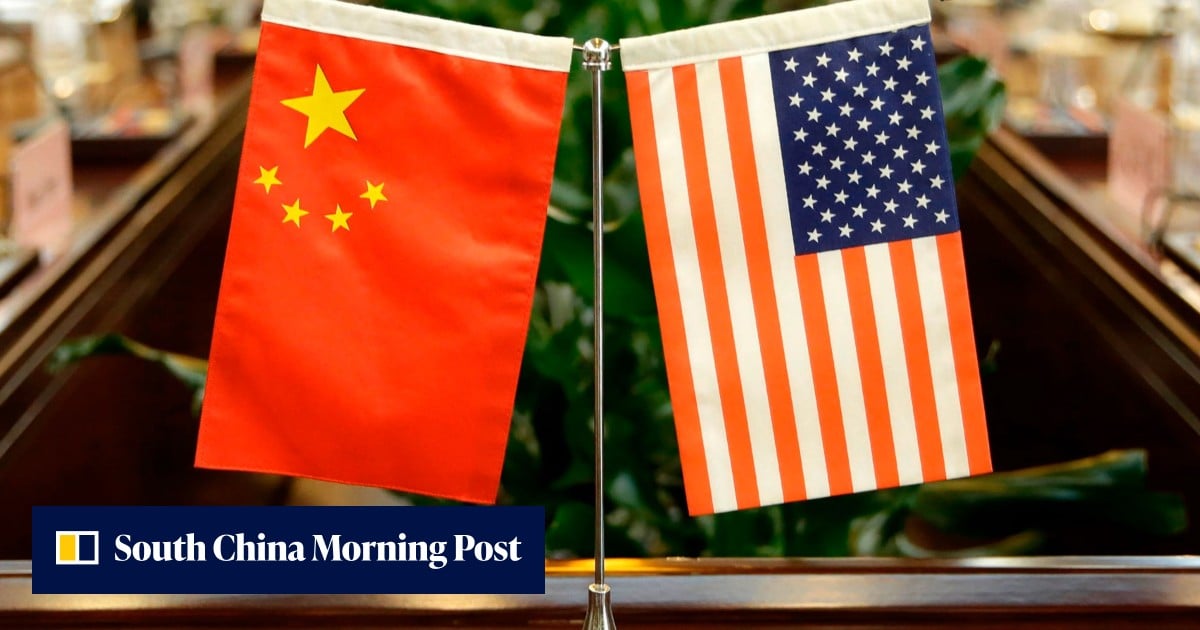
Escalating US-China trade friction has failed to dampen corporate activity between the two economies, with Citi reporting steady revenue growth on its North America-China corridor as Chinese companies aggressively deploy risk-hedging strategies to protect their global market share.
Instead of retreating from the US market, mainland Chinese firms had leaned heavily on global institutions to navigate financial friction and complex supply chains, Citi’s Greater China executives said at a media briefing in Hong Kong.
“Our revenue has not decreased – there has been growth,” the bank’s China CEO Zhang Wenjie said, noting a 44 per cent year-on-year revenue surge across the bank’s China-US corridor in the first half of the year.
Geopolitical headwinds boosted demand for cross-border financial services, he said.
Because North America remained a vital market, Chinese enterprises increasingly turned to international banks to execute foreign exchange hedging, manage trade exposure and reconfigure capital flows, Zhang said.
Chinese firms are exporting advanced technology, localised supply chains and high-value innovations that contribute to the development of host countries
The resilience comes as Chinese corporate expansion enters what Citi describes as a “Going Global 3.0” phase.
Don't Miss:
-
Drug Trafficking, U.S. Banks, and the Economic Reality Under Trump
-
Ivan’s Mob Beheads A Los Mayos Member
-
Ex-OFAC Official: The Cartel Risk Companies Can’t See | The InSight Take
-
Why Ecuador Is Losing Its Fight Against Organized Crime
-
‘El Cromo’ Arrested in Guadalajara; He Is Linked to a Group Affiliated with the CJNG