
 Trump administration gave firm with ties to ballroom donor the green light to do business with a sanctioned Russian bank
  Claire Sylvia on the Constitutionality of the False Claims Act
  School shootings in the Philippines put gun access under scrutiny
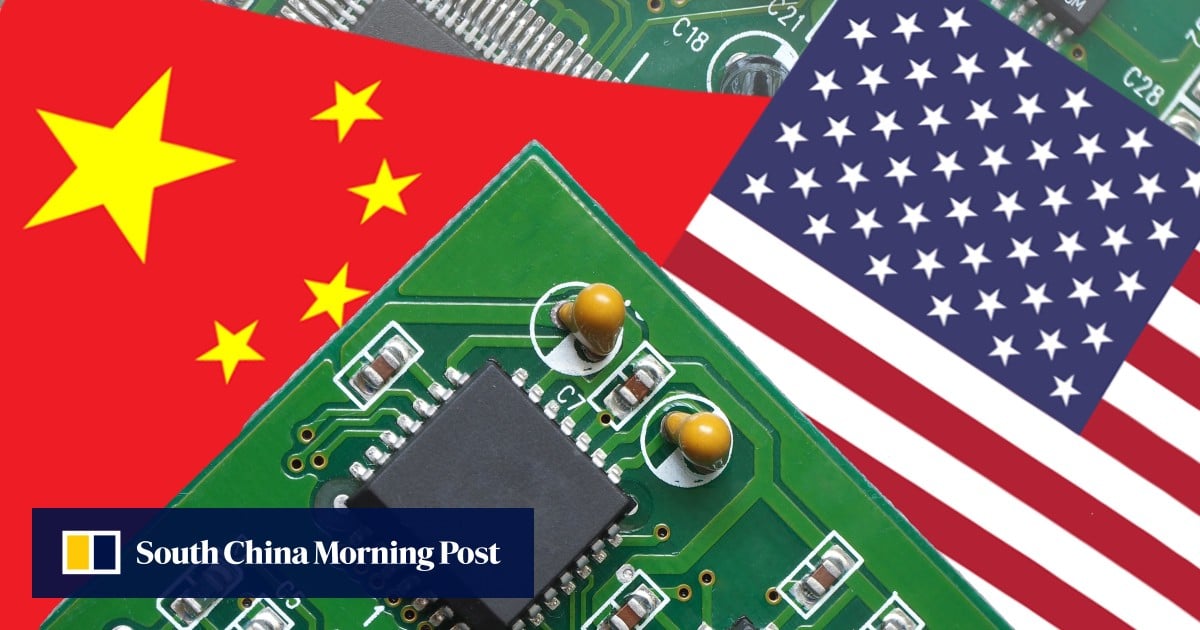
The United States is stepping up pressure on China across multiple strategic fronts, in moves analysts say could strengthen US President Donald Trump’s hand ahead of his planned high-stakes mid-May meeting with President Xi Jinping.
But they cautioned that Beijing was likely to remain unfazed because it had already adapted to earlier curbs by reducing its reliance on the American market.
US lawmakers in the House Foreign Affairs Committee have advanced 20 new export control measures this month to tighten Chinese access to American technology and limit its ability to obtain advanced semiconductor manufacturing equipment.
Advertisement
The restrictions – which will next be debated by the rest of the Republican-controlled House – would also require US allies such as the Netherlands and Japan to more closely align with Washington’s curbs on the sale of advanced semiconductor equipment to China.
On Wednesday, Reuters reported that the US Department of Commerce had also ordered chip equipment companies to halt shipments of certain tools to Hua Hong Semiconductor, China’s second-largest chipmaker.
Advertisement
“It seems that they do worry about China’s progress in chipmaking and its recent spending spree on chipmaking machinery like lithography tools,” said Liang Yan, a professor of economics at Willamette University in the US.
Don't Miss:
-
The US-China tech war has evolved since the last Xi-Trump summit. Who has the edge now?
-
Canada’s British Columbia sues OpenAI in US court over school shooting
-
Top US Senate Democrat Jeanne Shaheen warns Trump not to waver on Taiwan ahead of Xi meet
-
UK PM Burnham agrees to Saudi request for refuelling support
-
Zelensky and US spy chief Ratcliffe meet in Ireland, sources say