
 School shootings in the Philippines put gun access under scrutiny
  Statement on missing ICIJ journalist Micah Reddy
  TRANSCRIPT: ‘China Retains Levers for Long-Term Territorial Ambitions’
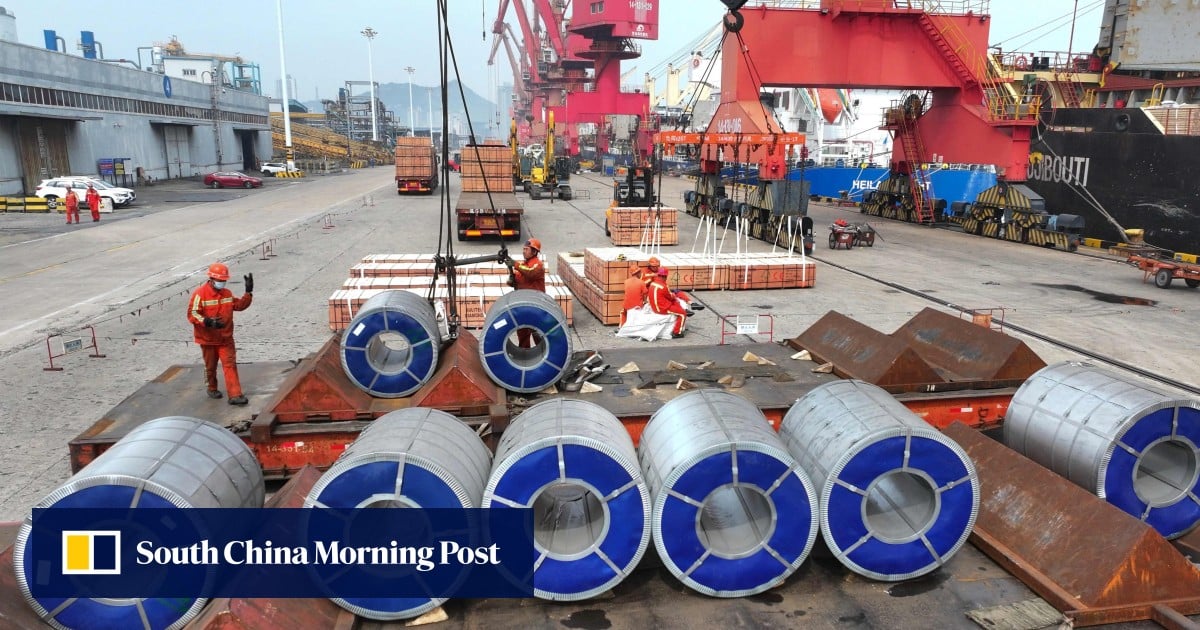
“China’s indirect steel exports to the EU are substantial, and a significant portion consists of high value-added products,” said Jiang Wei, vice-chairman and secretary general of the China Iron and Steel Association, during an industry meeting held online earlier this month. “As CBAM expands downstream, the transmission effects along the industrial chain will be further amplified.”
At the meeting, more than 100 steelmakers and upstream and downstream stakeholders focused on the practical challenges arising from CBAM implementation. Key concerns included emissions factor recognition, pre-verification procedures, testing methodologies and data security.
Advertisement
The European Union launched CBAM in 2023, requiring importers to pay the carbon price differential between the origin country and the EU, with plans to expand its coverage from raw materials to downstream products like machinery, vehicles and appliances.
China is the world’s largest steel producer and Chinese companies face the dual challenge of rising export costs driven by carbon levies and increasingly strict disclosure requirements for carbon footprint transparency. Industry insiders said carbon costs were expected to cascade through supply chains, adding to compliance costs for Chinese exporters.
Advertisement
Chinese regulators are seeking to ease pressures through technical engagement. Wang Tian, deputy director of the cooperation division at the Ministry of Ecology and Environment’s climate department, said at the meeting that CBAM was essentially a policy tool adopted by the EU based on industrial competitiveness and trade considerations, and that its rules remained subject to ongoing adjustments.
Don't Miss:
-
Singapore nets US$862,000 from first auction in money laundering case
-
Japan asks for US$43 million to weed out cherry tree-devouring longhorn beetle
-
3 stray mongrels captured after cyclist dies in suspected dog attack
-
Philippine tribe vows to stand ground against US-led Pax Silica: ‘listen to us’
-
Chinese woman in her 70s wakes up in coffin before dying for good 2 days later