
 How Hungary’s richest man funneled millions into Orbán’s propaganda machine
  How Real Is the US Withdrawal from the Middle East?
  From Iran to China: An Emerging Trans-Central Asian Corridor
 A China-led team of researchers has developed a powerful brain implant electrode array that is as soft as brain tissue, thinner than a strand of hair and more durable than anything before it.
In animal trials, a new flexible brain implant recorded neural activity with unprecedented long-term clarity and remained safely functional inside the body for 18 months.
The breakthrough addressed a major hurdle that had long held back brain-computer interfaces.
Advertisement
Invasive interfaces deliver the clearest and richest neural signals, yet a persistent challenge haunts invasive systems: the inherent mismatch between electrodes and soft brain tissue.
The cortical electrode arrays commonly used today, typically made of platinum or platinum-iridium alloys, offer excellent conductivity but are far stiffer than neural tissue.
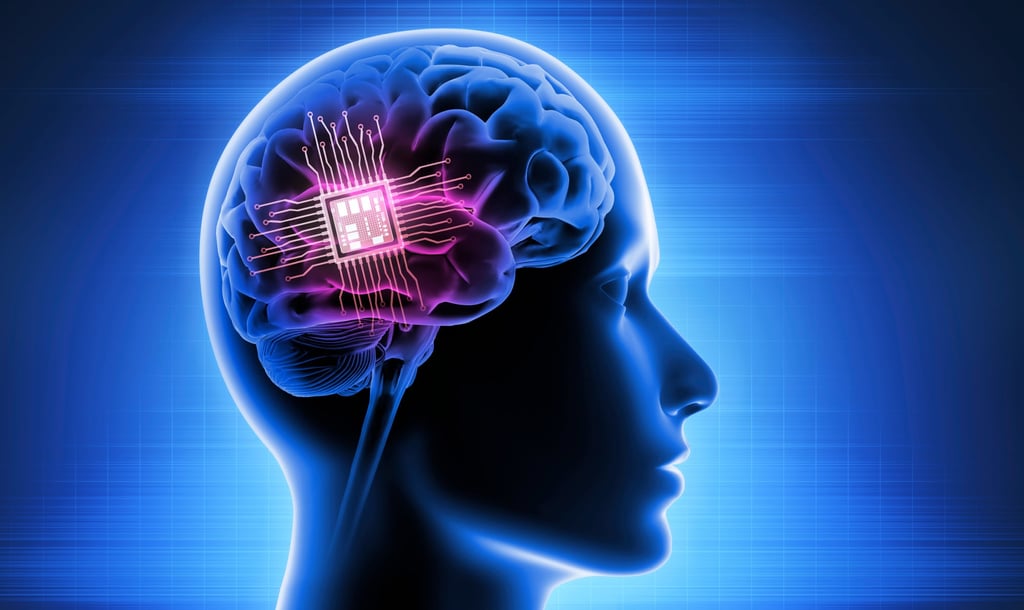
In long-term implantation, such “hard-against-soft” friction induces tiny relative displacements, triggering chronic inflammation and eventually forming scar tissue around the electrodes. The result is a steady decline in signal quality year after year.
Don't Miss:
-
US wraps up military mission in Iraq, giving Baghdad room to strengthen China ties
-
As China and the EU begin crunch trade talks, optimism is in short supply
-
Data centre opposition is growing in Australia. Is there a middle ground?
-
Helper arrested for allegedly slapping 5-year-old boy after he refuses to eat
-
Workers, mostly Indian, building US consulate in Milan agree to record settlement