
 How Hungary’s richest man funneled millions into Orbán’s propaganda machine
  How Real Is the US Withdrawal from the Middle East?
  From Iran to China: An Emerging Trans-Central Asian Corridor
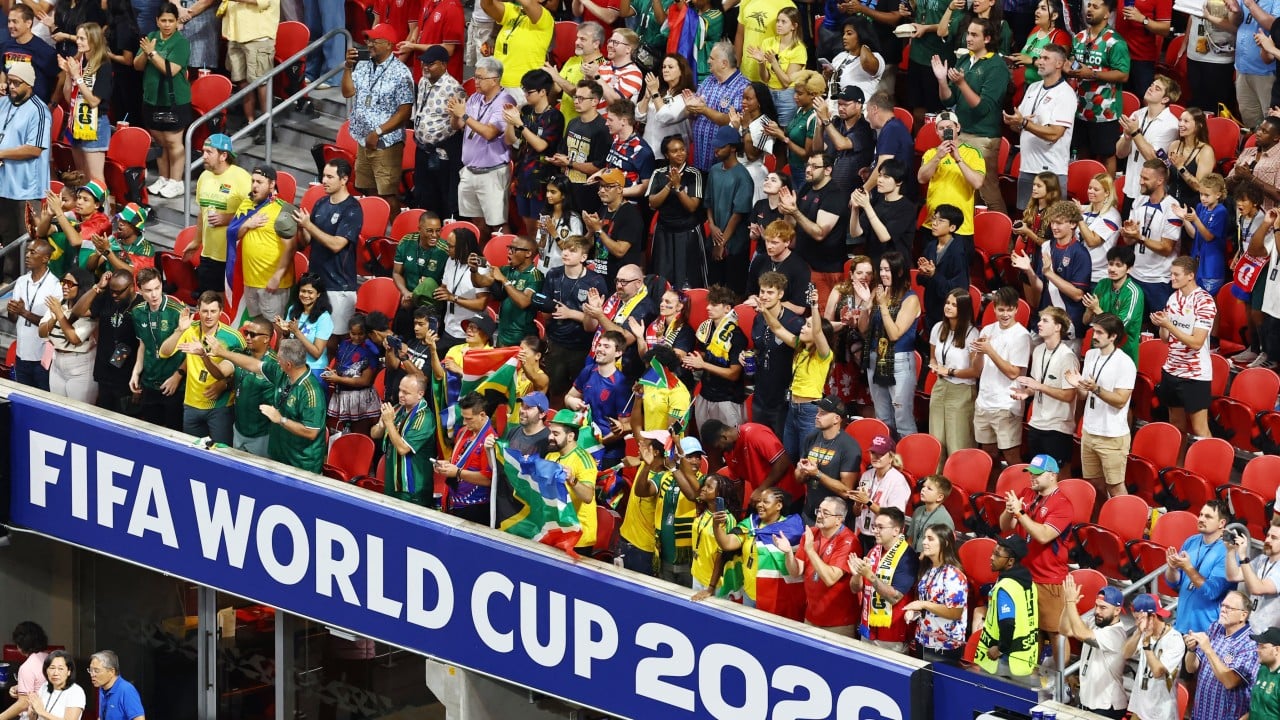
 Alex Doran, a 28-year-old corporate strategist, is cheering for the US national team and was pleasantly surprised by the size of its initial win against Paraguay last week, while acknowledging that his team is unlikely to go all the way.
While he does not expect to attend a match in person involving tickets costing thousands of US dollars, he has been watching avidly online and hopes to see some matches at fan zones set up around Washington.
“I’m a little uncomfortable with large crowds because you can never predict what they’ll do,” said Doran, noting the potential presence of pickpockets. “But that’s also what makes it exciting.”
Advertisement
Any concerns about being around so many people, however, did not extend to the recent Ebola outbreak.
“No, that hasn’t really been on my mind. I hope the epidemiologists will let me know when I have to worry about it.”

As the World Cup overlaps with the spread of the deadly Bundibugyo Ebola strain, the outbreak has highlighted fundamental vulnerabilities in global disease defences, including China’s and the world’s slow response and the corrosive effect of denialism.
Advertisement
Don't Miss:
-
US wraps up military mission in Iraq, giving Baghdad room to strengthen China ties
-
As China and the EU begin crunch trade talks, optimism is in short supply
-
Data centre opposition is growing in Australia. Is there a middle ground?
-
Helper arrested for allegedly slapping 5-year-old boy after he refuses to eat
-
Workers, mostly Indian, building US consulate in Milan agree to record settlement