
 Tunisian court dismisses case to dissolve publisher of ICIJ partner Inkyfada
  Prabowo Faces Growing Discontent as Jokowi Revives His Political Ambitions
  Five years after the Pandora Papers, transparency laws lose their teeth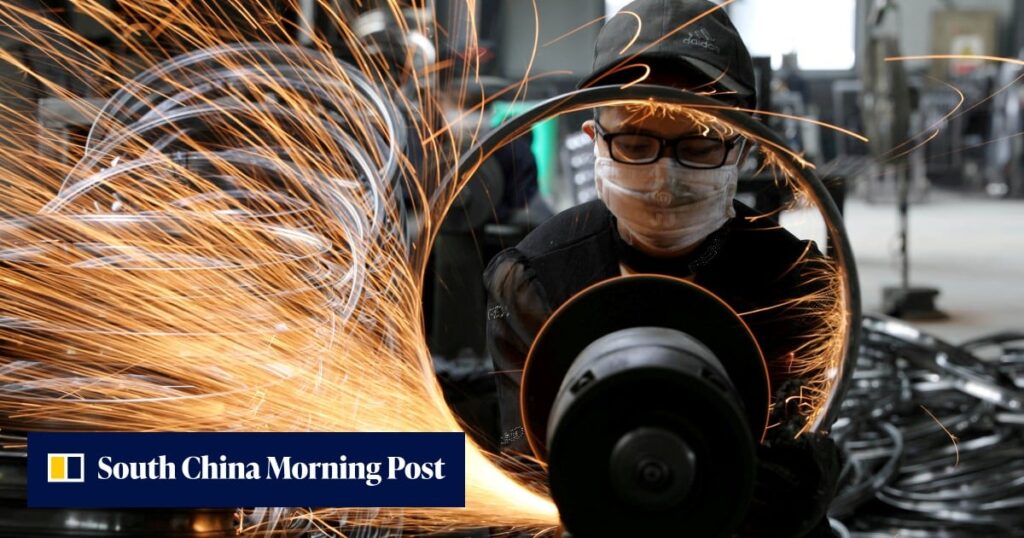
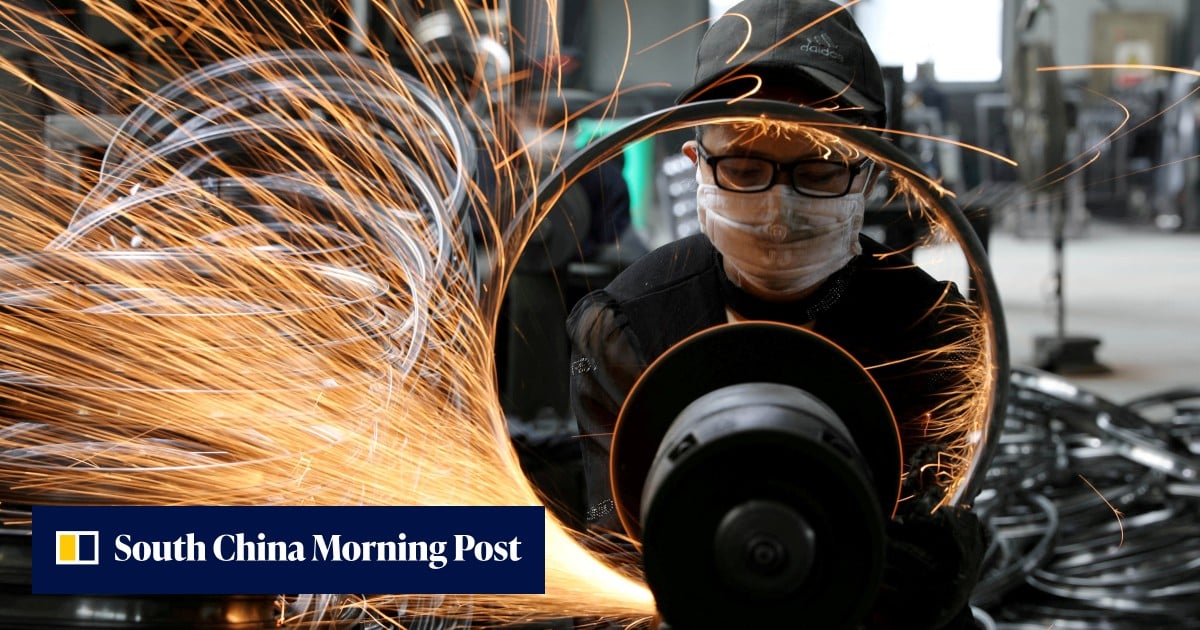
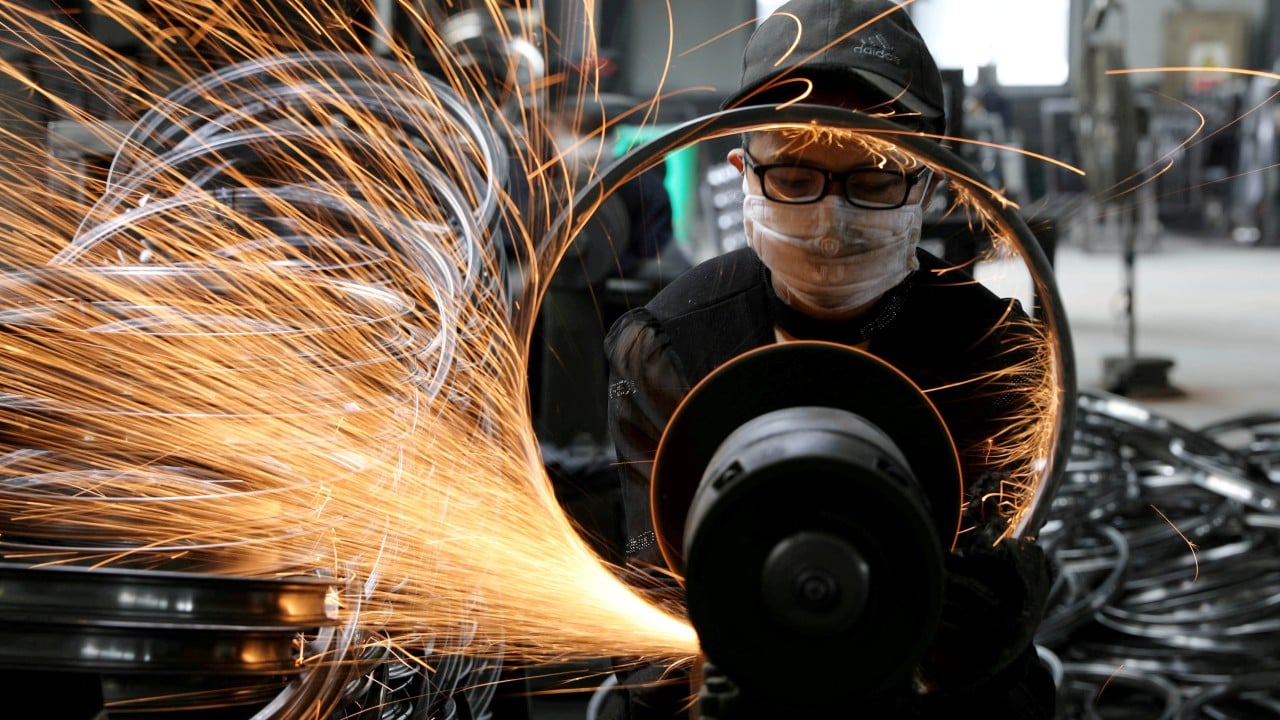
As geopolitical tensions intensify, China’s steel sector – the world’s largest – is facing trade-restrictive measures in overseas markets and shrinking margins, but the country must strive to avoid the mistakes of America’s rust belt, according to an article in the Communist Party’s top theoretical journal.
The piece, published in the latest issue of the Qiushi Journal and written jointly by the journal and the China Iron and Steel Association, argued that China should not allow its steel sector to contract in an attempt to redirect more resources towards emerging industries.
“Lessons from America’s rust belt remain a sobering reminder,” the article said. “The de-industrialisation of traditional industries will inevitably trigger a chain of repercussions, including regional economic recession, job losses and sluggish innovation.”
The rust belt refers to a swathe of the United States that experienced severe industrial decline in the late 20th century. Local economies were once heavily anchored in iron and steel production, carmaking, coal mining and raw-material processing.
Industries that underpin national economic security “must never be allowed to undergo market-driven liquidation or passive contraction”, the Qiushi article said.
Profit margins for domestic steelmakers remain depressed
China has held the world’s top spot in crude-steel output for three decades, the article noted, adding that the country’s production exceeded 960 million tonnes in 2025, accounting for more than half of global output.
Don't Miss:
-
Fight at Mazatlán Prison Leaves 10 Dead: A 2-Year-Old Boy Died During a Family Visit
-
Veracruz Mafia vs. CJNG: The Fight for Veracruz
-
Former Michoacán Official Used AI for Extortion: Here’s How They Cloned the Voices of Politicians and Ministers
-
Two Years On, the Sinaloa Cartel War Changes Shape | The InSight Take
-
US wraps up military mission in Iraq, giving Baghdad room to strengthen China ties