
 Tunisian court dismisses case to dissolve publisher of ICIJ partner Inkyfada
  Prabowo Faces Growing Discontent as Jokowi Revives His Political Ambitions
  Five years after the Pandora Papers, transparency laws lose their teeth
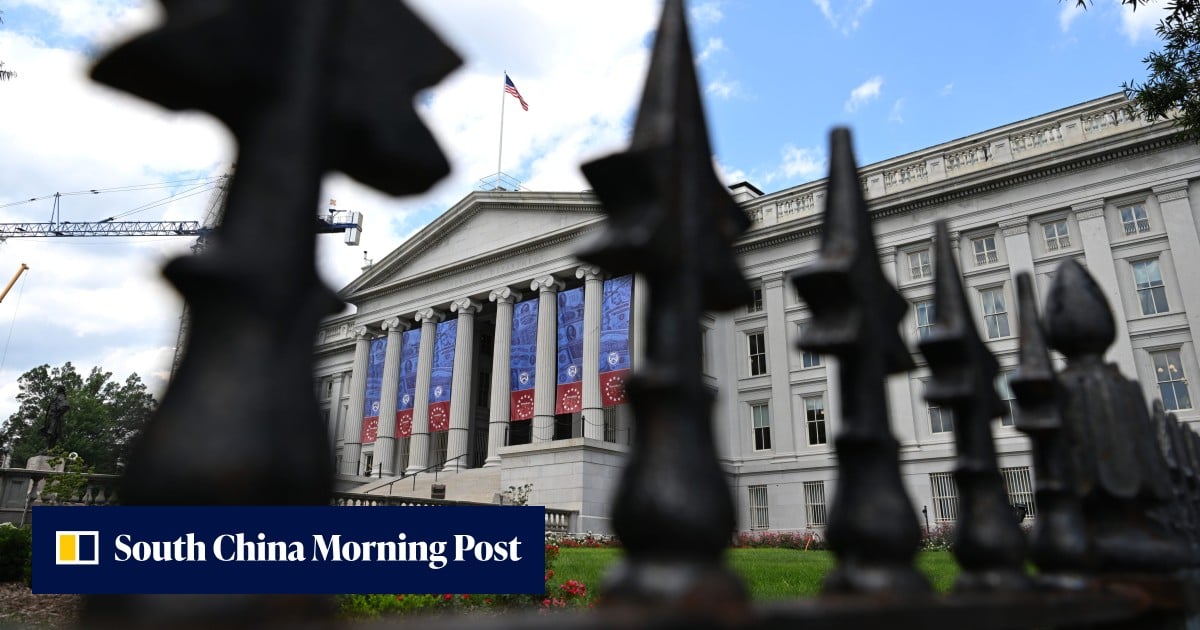
The US on Monday announced fresh sanctions against Iran and its trading partners, including entities in mainland China and Hong Kong, in its latest push to squeeze Iran economically after months of military strikes and diplomatic talks failed to resolve the six-month conflict.
On Tuesday, Chinese foreign ministry spokesman Lin Jian dismissed the sanctions as “illicit” with “no basis in international law”, saying the US move would heighten tensions and disrupt the global economic and financial order.
“Economic warfare and maximum pressure provide no solution,” he said. “China’s cooperation with Iran is conducted within the framework of international law, thus should not be disrupted.”
Sun Chenghao, a fellow at Tsinghua University’s Centre for International Security and Strategy, said it was not clear if the latest sanctions would directly affect Xi’s planned meeting with Trump but that the sanctions development was “becoming a new risk point” ahead of the summit.
“The key may lie in whether the US expands secondary sanctions to major Chinese banks. If it’s limited to individual companies and intermediaries, both sides may still be able to keep the disagreement contained,” he said. “But if it touches China’s core financial institutions, the situation could become quite different.”
Xi is expected to visit Washington next month – his first state visit to the US in more than a decade – for talks with Trump.
Don't Miss:
-
Fight at Mazatlán Prison Leaves 10 Dead: A 2-Year-Old Boy Died During a Family Visit
-
Veracruz Mafia vs. CJNG: The Fight for Veracruz
-
Former Michoacán Official Used AI for Extortion: Here’s How They Cloned the Voices of Politicians and Ministers
-
Two Years On, the Sinaloa Cartel War Changes Shape | The InSight Take
-
US wraps up military mission in Iraq, giving Baghdad room to strengthen China ties