
 The Taliban’s New War Begins at Home
  Panama removed from EU’s tax haven ‘blacklist’ a decade after the Panama Papers
  Crackdown and Controversy: The Battle Over Beach Bars and Noise in Phuket’s Bang Tao
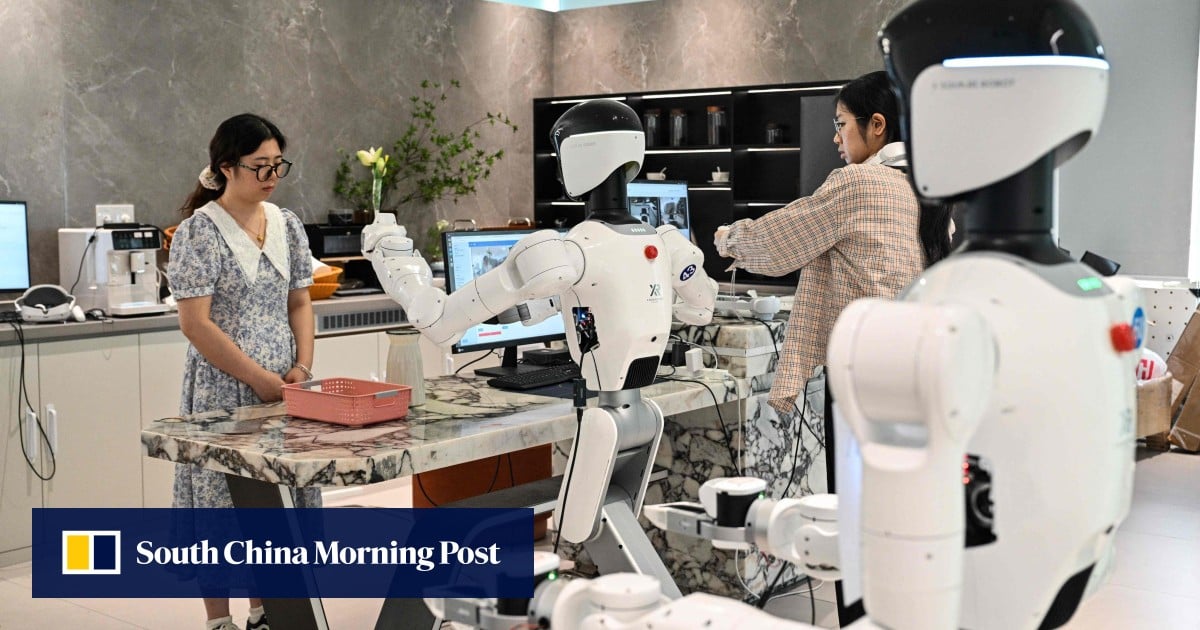
China has made income growth and the reform of its wage-distribution system a priority within broader efforts to cushion the domestic job market against the impact of artificial intelligence over the next five years.
A new blueprint released by the Ministry of Human Resources and Social Security on Thursday laid out a detailed road map for the strategy, vowing to promote collective wage bargaining within the private sector, ensure steady wage growth, and tilt pay towards frontline workers.
Within state enterprises, the plan urges managing “excessively high earnings” while raising pay incentives for critical talent and linking compensation directly to technical expertise. To protect the bottom tier of the workforce, Beijing called for refining its mechanism for adjusting minimum wage standards and initiating legislative research on minimum wage laws.
Authorities aim to “adopt a comprehensive approach to manage how shifting external environments and AI advancements affect the workforce, prioritising job-expanding initiatives”, according to the blueprint.
The document comes as a wide income gap, especially between rural and urban areas, remains a major concern in the world’s second-largest economy. And some economists warn that the rapid rise of AI could make matters worse.
Don't Miss:
-
Drug Trafficking, U.S. Banks, and the Economic Reality Under Trump
-
Ivan’s Mob Beheads A Los Mayos Member
-
Ex-OFAC Official: The Cartel Risk Companies Can’t See | The InSight Take
-
Why Ecuador Is Losing Its Fight Against Organized Crime
-
‘El Cromo’ Arrested in Guadalajara; He Is Linked to a Group Affiliated with the CJNG