
 Philippine VP Sara Duterte’s Impeachment Trial Narrows as Stakes Remain High
  Indonesia Stock Market Faces MSCI Exile over Poor Governance
  The Taliban’s New War Begins at Home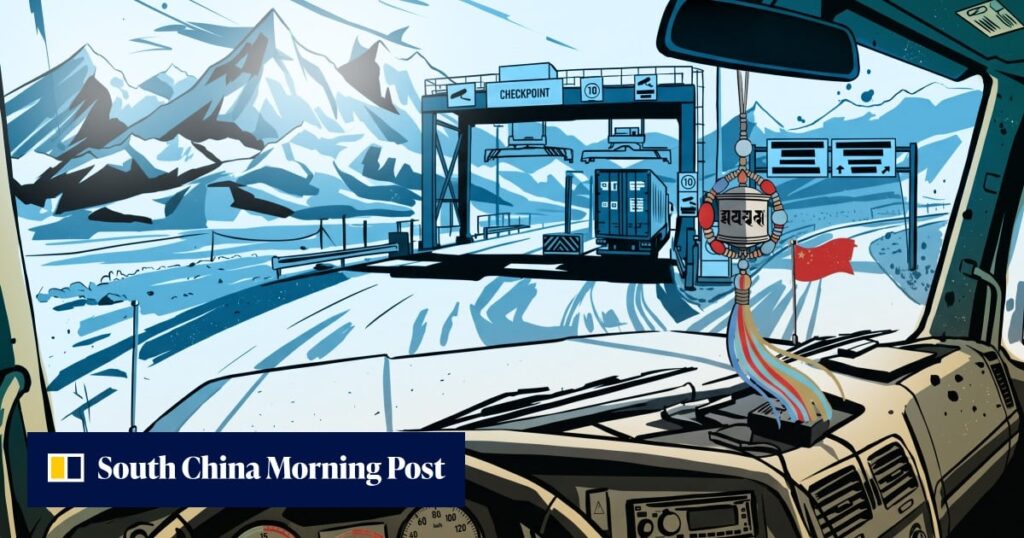
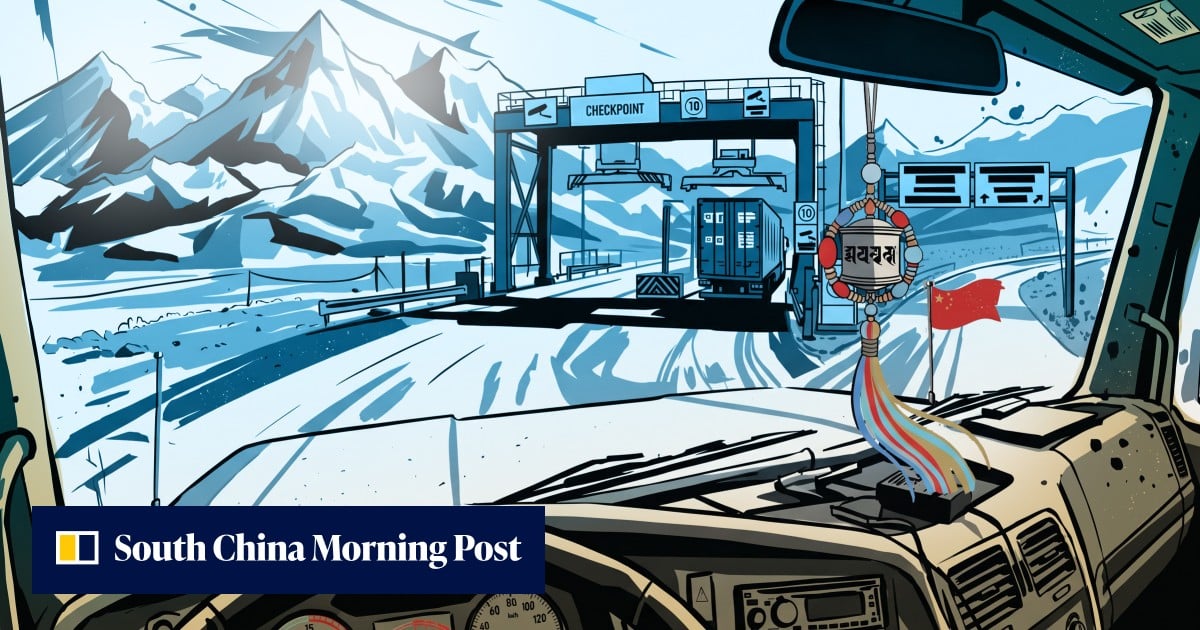
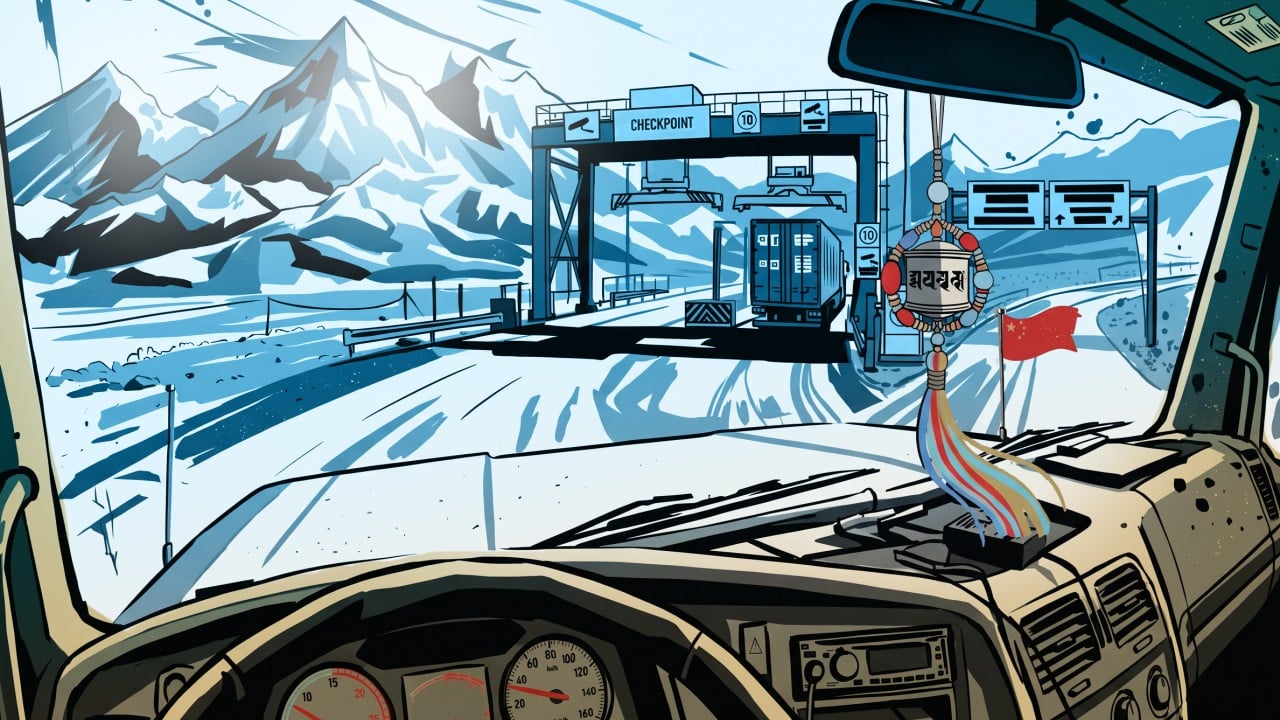
On the windswept plains just south of Tibet’s second-largest city, the towering smart inspection systems and automated cargo gantries of a brand-new international land port gleam under the plateau’s high-altitude sun.
Official road maps predict the multibillion-yuan project in Shigatse will process up to 300 trucks daily by the end of 2030 – loading cargo off trains and onto the trucks that will take goods to their final destination. It will also allow the authorities to carry out customs checks away from the region’s international borders, which straddle the Himalayas.
However, on a quiet afternoon when the SCMP visited in late June, the Shigatse International Land Port processed just five trucks, according to Tenzin Namgyal, general manager of Shigatse Chengyou Supply Chain Management Co, the port’s operator.
But analysts say that achieving this goal will require overcoming extreme geography and navigating political tensions, which are set to rise with the looming reincarnation of the Dalai Lama.
The disaster underscores the challenges of China’s long-term “southbound strategy” – a billion-dollar geopolitical lifeline that Beijing is determined to build through the brutal terrain of the Himalayas.
Don't Miss:
-
Former Chihuahua Prosecutor Arrested for Allowing CIA Officers to Operate in the Region
-
Mexican Authorities Target the Network of U.S.-Indicted “Carlitos Rugrats”
-
Drug Trafficking, U.S. Banks, and the Economic Reality Under Trump
-
Ivan’s Mob Beheads A Los Mayos Member
-
Ex-OFAC Official: The Cartel Risk Companies Can’t See | The InSight Take