
 Bhutan’s ‘Mindfulness City’ to Link to India by Rail
  Cracks in the Sand: Gulf Monarchies’ Economic and Geopolitical Peril
  Shipping Containers: New Threat Multiplier
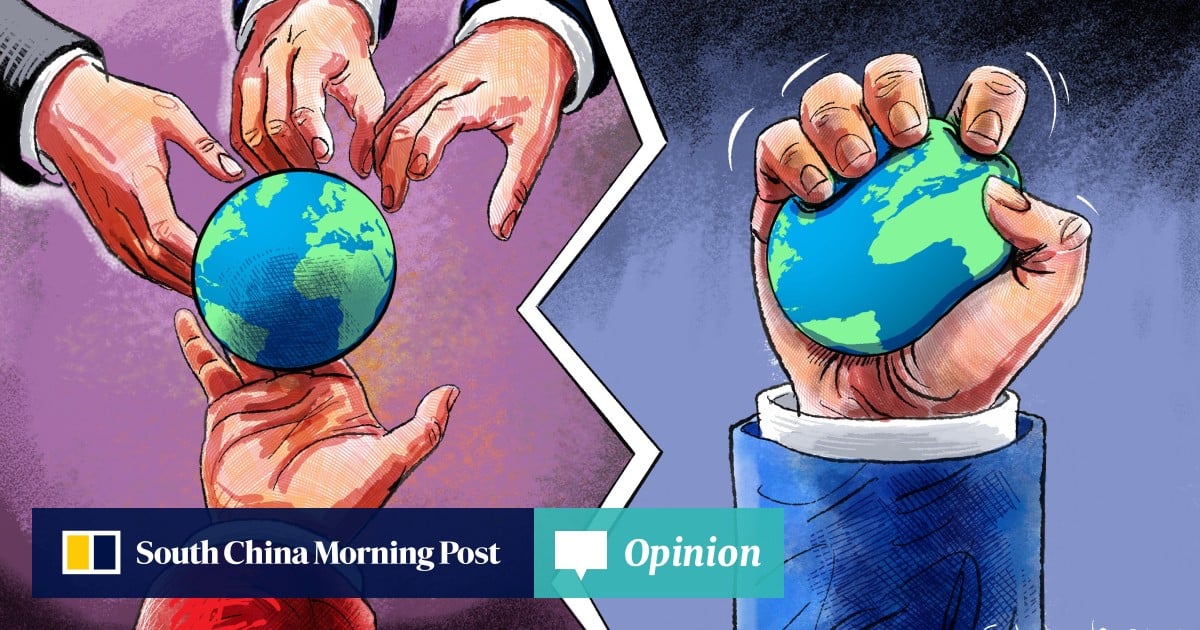
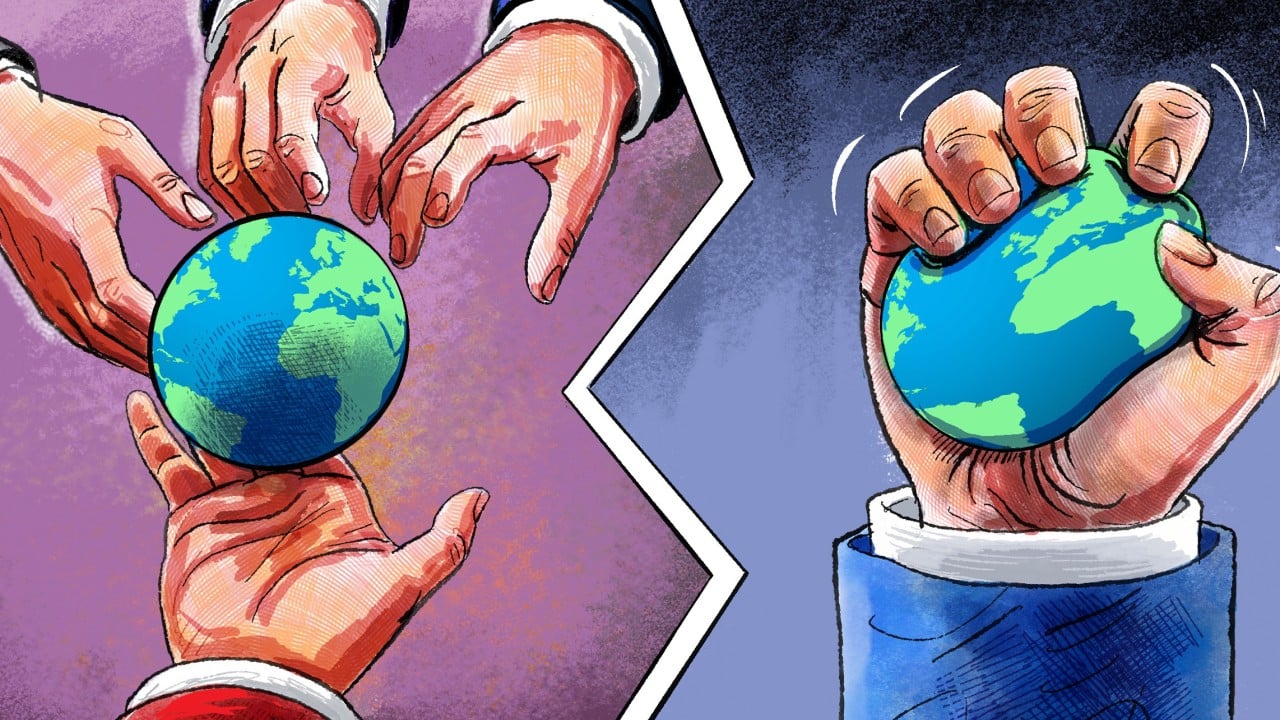
With the coming summit between Chinese President Xi Jinping and US President Donald Trump back on schedule for May, the two leaders present two starkly different paths for the world: one defined by a “community with a shared future” and the other driven by unpredictable impulses of rivalry and division.
While Trump postponed the April summit to engage Xi without the distractions of the war he launched on Iran, a swift resolution before their meeting does not seem likely – despite the newly announced two-week ceasefire.
Trump’s “war of choice” has already triggered a massive global energy shock – the most severe since the 1970s, with oil prices surging due to the Strait of Hormuz’s partial closure. This month also marks the one-year anniversary of Trump’s “Liberation Day” tariffs, a global trade war whose aftershocks are still destabilising the world economy.
Advertisement
Meanwhile, China has positioned itself as a stabilising force. At this year’s World Economic Forum in Davos, in Switzerland, Beijing signalled a major pivot: moving from being the “world’s factory” to becoming the “world’s market”.
This commitment was reinforced at last month’s Boao Forum, when the Hainan Free Trade Port was showcased as a model for deeper market opening. The trajectory is unmistakable: China is increasingly staking its claim as the primary defender of an open, rules-based global economy. This push is no isolated policy shift; it is the manifestation of Xi’s Global Development Initiative to advance a more equitable economic order.
Advertisement
Don't Miss:
-
Solid-state battery firms in China and US line up IPOs as oil prices lift EV appeal
-
Why Trump’s Hormuz rebuke won’t derail South Korea’s ‘very strong’ alliance with US
-
Thailand snatches US$260 million from cross-border scammers in ‘decisive’ crackdown
-
Public outrage as Chinese man takes part in matchmaking event while wife goes to toilet
-
Filmmaker accuses school of ‘blatantly lying’ in row over documentary screening