
 BANG TAO’S NIGHTMARE: THAI MEDIA EXPOSES ILLEGAL CLUBS, CORRUPT OFFICIALS, AND THE DEATH OF JORDAN WRIGHT—HERE’S HOW PHUKET’S NIGHTLIFE BECAME A KILLING FIELD
  Sarah Anderson on the Twenty Largest Low Wage Employers
  Rachel Brewster on the Rise of Global FCPA Settlements

Brent crude climbing back above US$100 a barrel, and touching roughly US$120 on the worst days, is already more than a market headline, affecting the diesel at the pump, the bread in the oven and the fertiliser on a field. Even if forecasts indicate that Brent will average closer to US$90 in the second quarter, the risk premium is already present.
Advertisement
We often talk about oil as if it sits in a separate universe from food. In reality, they are closely linked. Food and Agriculture Organisation (FAO) figures showed the global food price index rising in February for the first time in five months, with cereals and vegetable oils leading the rebound. The UN agency logged a second consecutive monthly increase as energy-linked costs affected food prices in March.
Fuel prices drive the cost of moving grain, running irrigation pumps and producing fertiliser. When energy becomes more expensive, the cost structure of a bakery in Lagos or a maize mill in Bamako shifts quickly.
Advertisement
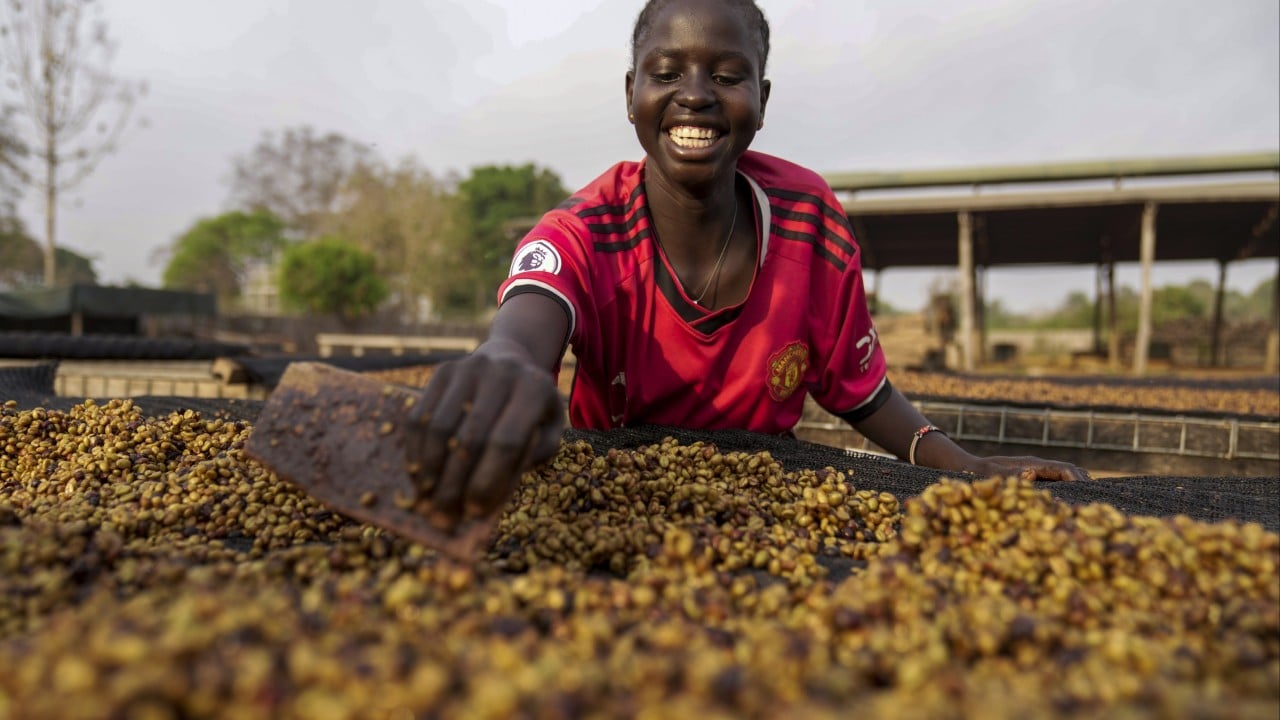
Global averages hide the harsher story. The FAO’s food price monitoring kept flagging stubbornly high cereal prices in parts of East Africa and markets affected by conflict. In Somalia, Sudan and South Sudan, and across fragile stretches of the Sahel, staples can trade at levels that feel closer to siege economics than normal volatility.
Don't Miss:
-
Trump warns of 50% tariffs on arms suppliers to Iran
-
Washington pushes allies to match tougher China chip curbs under new bill
-
As France pulls gold from the US, how can China develop into the next global gold hub?
-
In Germany, a woman bites a railway worker to get through closing doors
-
Thailand confirms deaths of 3 cargo ship crew in Gulf attack