
 The US is letting a convicted Bolsonaro spy chief stay in Florida. Brazil wants answers.
  Rick Claypool on Pay to Play Corporate Crime Enforcement
  Labaton Launches Whistleblower Practice with Former SEC Acting Chair Allison Herren Lee
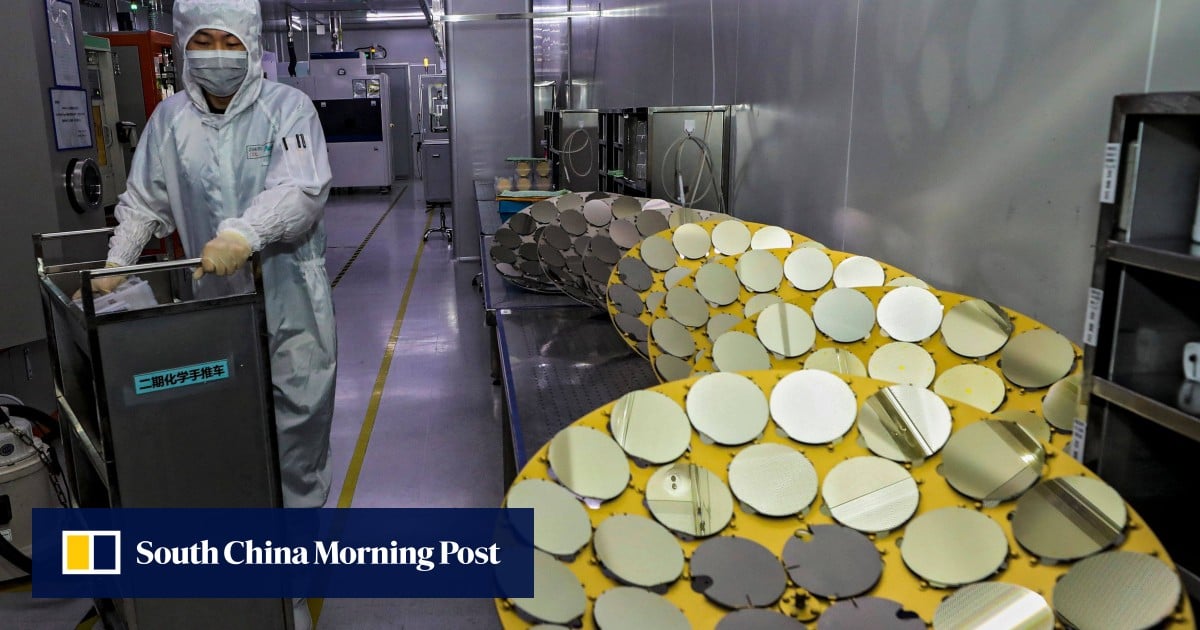
The latest bill proposed by US lawmakers to further restrict China’s access to advanced chipmaking equipment marks a fresh escalation in Washington’s efforts to throttle the country’s semiconductor ambitions, as it seeks to bring allies such as the Netherlands and Japan into closer alignment on export controls, analysts said.
Introduced last week by Republican Representative Michael Baumgartner, the Multilateral Alignment of Technology Controls in Hardware (Match) Act aims to close “critical gaps” in existing restrictions by requiring allied countries to match US curbs on semiconductor equipment exports to China within 150 days.
The bill’s bipartisan backing and companion legislation in the Senate suggested a high likelihood of passage, potentially setting the stage for significant disruption to global semiconductor supply chains, analysts at China Securities said in a research note on Wednesday.
Advertisement
“The bill has a relatively high chance of being passed at the congressional level,” said Mark Shi, a lawyer focusing on export controls at Shanghai-based Co-Effort Law Firm.
However, he added that given the current Sino-US tensions, it could also be used as a “natural bargaining chip” between the two sides.
Advertisement
If enacted, the measure would ban exports of what it described as “most essential” semiconductor manufacturing equipment, including deep ultraviolet (DUV) immersion lithography systems and cryogenic etching tools used in both advanced and legacy chip production.
Don't Miss:
-
Organized Crime Postponed Democracy in Haiti, Again | The InSight Take
-
Unstoppable Violence in Michoacán: 31 Police Officers Killed, and Criticism of the Government Mounts
-
A Total of 13 Mass Graves Have Been Found in Viesca Containing the Charred Remains of Men and Women
-
Jorge Luis Zambrano, alias “Rasquiña”
-
El Taliban Fell In Mazatlán… And What He Confessed Ties Everything Together