
 School shootings in the Philippines put gun access under scrutiny
  Statement on missing ICIJ journalist Micah Reddy
  TRANSCRIPT: ‘China Retains Levers for Long-Term Territorial Ambitions’
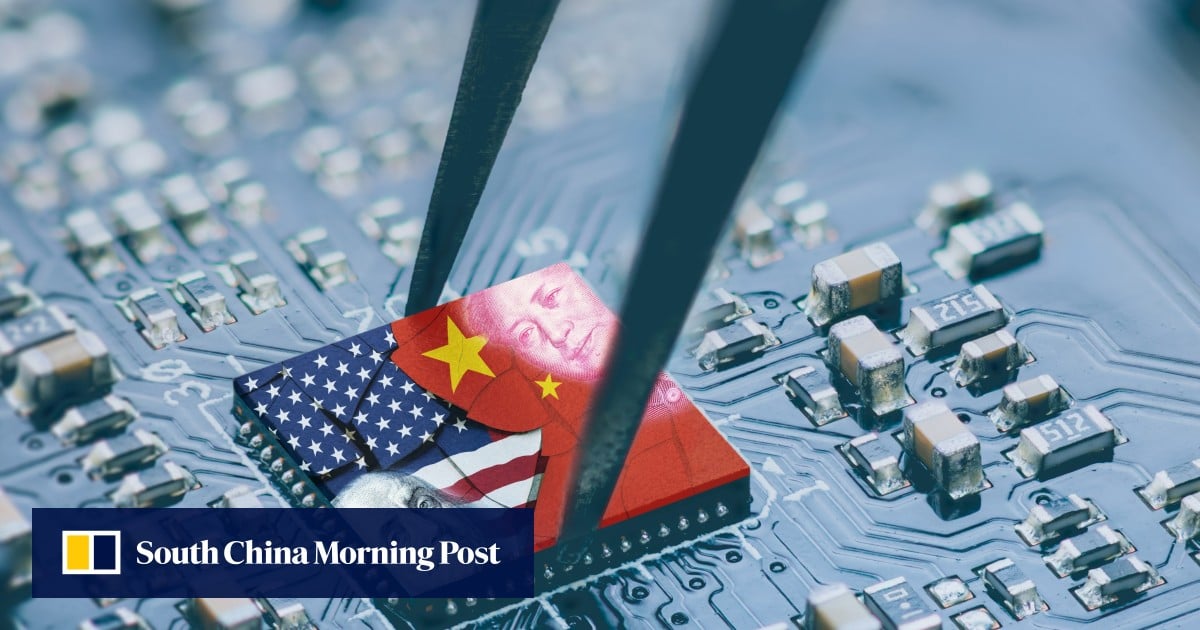
For years, Washington has fixated on the gap between US and Chinese artificial intelligence (AI) models as AI has increasingly taken centre stage in the strategic competition between the world’s two leading powers.
The release of OpenAI’s ChatGPT in late 2022 established a clear early lead for the US, with the first batch of export controls on advanced semiconductor chips introduced in October that year, putting American tech ahead by three years or more, some experts estimated at the time.
But years soon turned to months as China leaned into algorithmic improvements and an AI strategy of “fast following”, most notably with the release of DeepSeek R1 early last year.
In just the last few days, that lead has seemingly shrunk from months to weeks for the first time, following the arrival of new Chinese models from Moonshot AI and Alibaba Group Holding – to the surprise of many in Washington. Alibaba owns the South China Morning Post.
Many in Washington now describe US AI policy as being at a crossroads, with three difficult questions in need of answering: how tightly to control access to frontier US models, whether to restrict open-weight Chinese models at home, and how to drive adoption of US AI technologies globally.
“I don’t think anybody truly knows what’s going on,” said Ryan Fedasiuk, a fellow at the Washington think tank American Enterprise Institute (AEI) focusing on US-China AI competition.
Don't Miss:
-
Singapore nets US$862,000 from first auction in money laundering case
-
Japan asks for US$43 million to weed out cherry tree-devouring longhorn beetle
-
3 stray mongrels captured after cyclist dies in suspected dog attack
-
Philippine tribe vows to stand ground against US-led Pax Silica: ‘listen to us’
-
Chinese woman in her 70s wakes up in coffin before dying for good 2 days later