
 School shootings in the Philippines put gun access under scrutiny
  Statement on missing ICIJ journalist Micah Reddy
  TRANSCRIPT: ‘China Retains Levers for Long-Term Territorial Ambitions’
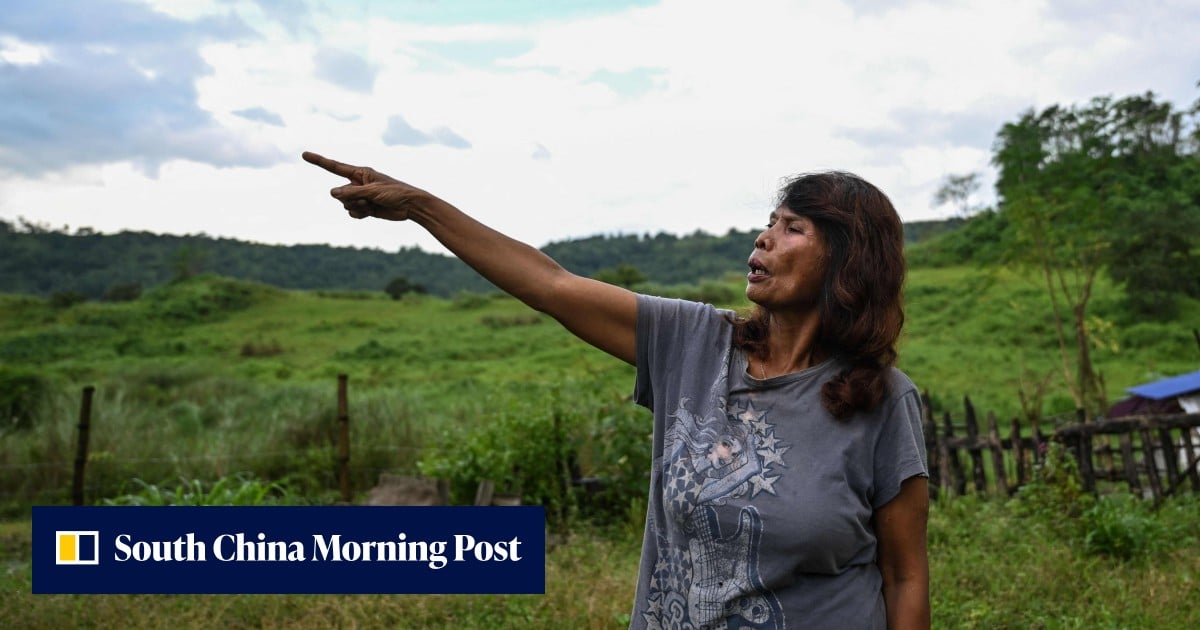
Tribal leader Petronila Munoz walked across the sweeping Philippine grasslands she has called home for generations, uncertain about its future, as a sprawling tech hub for a US-led initiative takes shape.
With little information and no prior consultation, the indigenous chieftain said her Aeta Hungey tribe was uncertain how much of their land could be affected or what would become of the livelihood it provided.
“There’s still no clarity,” Munoz said inside the tribe’s traditional meeting hall. “What will happen to us? That’s our biggest question.”
In April, the United States announced that the Philippines had joined Pax Silica, a US-led effort to strengthen supply chains for semiconductors and rare earth elements and reduce participating countries’ dependence on China.

Don't Miss:
-
Singapore nets US$862,000 from first auction in money laundering case
-
Japan asks for US$43 million to weed out cherry tree-devouring longhorn beetle
-
3 stray mongrels captured after cyclist dies in suspected dog attack
-
Chinese woman in her 70s wakes up in coffin before dying for good 2 days later
-
As the US weighs restrictions on cloud computing, how will China’s AI sector adapt?