
 Philippine VP Sara Duterte’s Impeachment Trial Narrows as Stakes Remain High
  Indonesia Stock Market Faces MSCI Exile over Poor Governance
  The Taliban’s New War Begins at Home

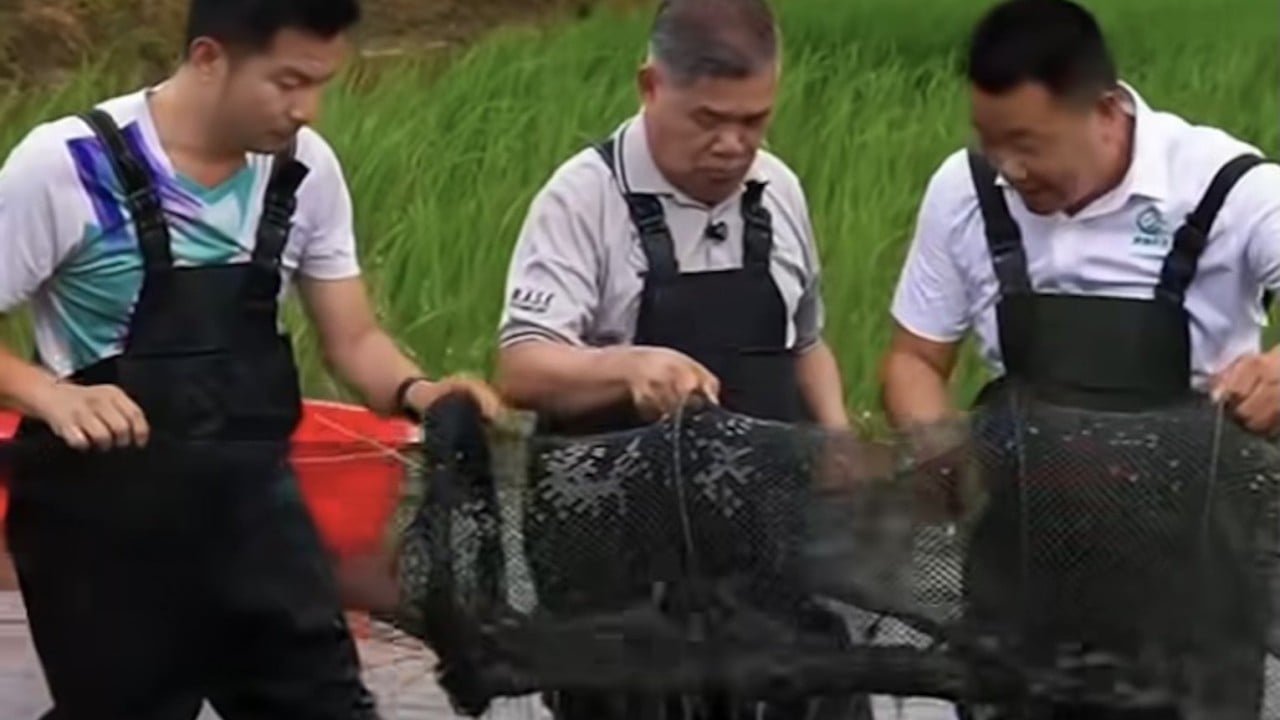
Malaysia is looking to China’s rice-prawn farms as a model to extract more from its shrinking paddy land as a slide in rice self-sufficiency has left it increasingly reliant on imports from its Southeast Asian neighbours.
The experiment is also part of an attempt to confront other issues such as ageing farmers and more erratic weather, which have dented Malaysia’s rice output.
Agriculture and Food Security Minister Mohamad Sabu said on Monday that Malaysia needed to raise its rice self-sufficiency ratio to at least 80 per cent, arguing that a level below 60 per cent was “not adequate” for national food security, state news agency Bernama reported.
“We want to increase productivity and strengthen the supply chain through expanding the use of technology … and encourage innovation and open up more opportunities for value creation throughout the industry chain,” he said.
The 80 per cent target is set under Malaysia’s National Agrofood Policy for 2030.
However, the country remains far off course. Its rice self-sufficiency ratio fell to 52.9 per cent in 2024 from 56.2 per cent a year earlier, as paddy production decreased by 5.3 per cent to 2.06 million tonnes over the period, according to official data. Malaysia’s planted paddy area also declined by 5.6 per cent to about 579,700 hectares in 2024.
Don't Miss:
-
Former Chihuahua Prosecutor Arrested for Allowing CIA Officers to Operate in the Region
-
Mexican Authorities Target the Network of U.S.-Indicted “Carlitos Rugrats”
-
Drug Trafficking, U.S. Banks, and the Economic Reality Under Trump
-
Ivan’s Mob Beheads A Los Mayos Member
-
Ex-OFAC Official: The Cartel Risk Companies Can’t See | The InSight Take