
 Rick Claypool on Pay to Play Corporate Crime Enforcement
  Labaton Launches Whistleblower Practice with Former SEC Acting Chair Allison Herren Lee
  Kremlin payment firm A7 has been pumping billions in ‘untraceable’ cash into global financial system
 In November 1861, during his self-imposed political exile, French writer Victor Hugo penned a blistering condemnation of his country.
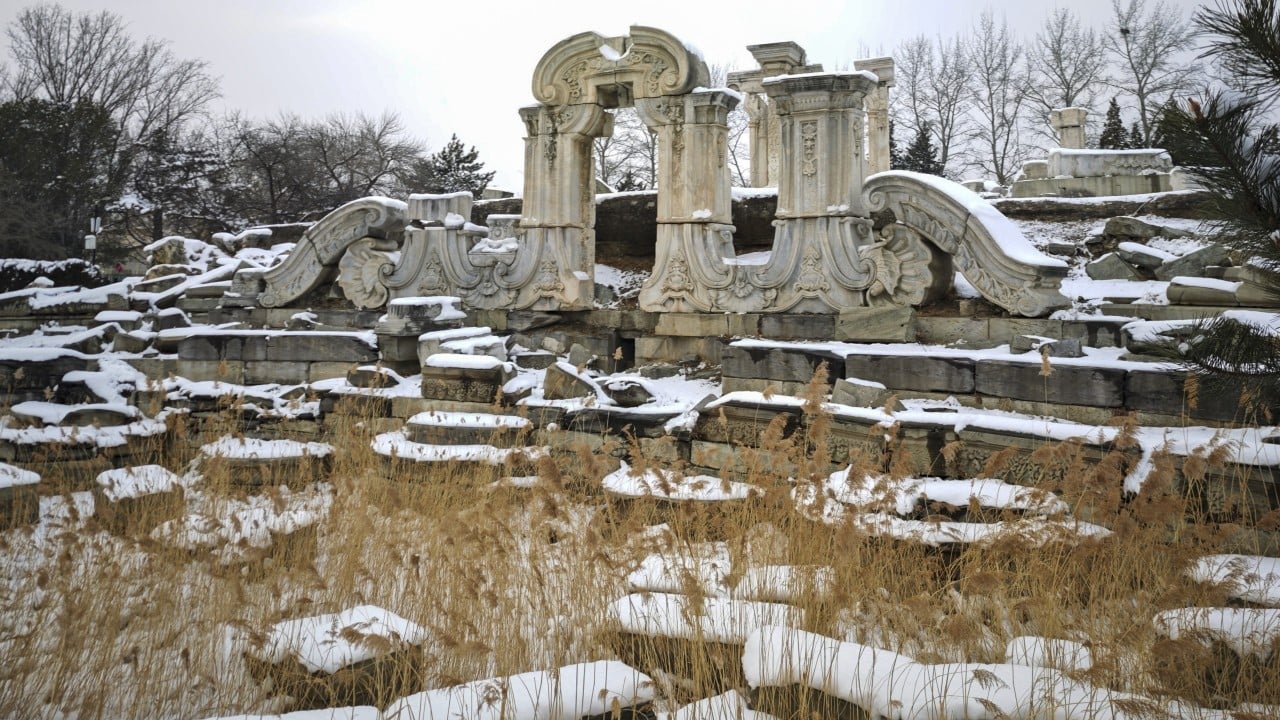
The author of Les Misérables described two “bandits” – France and Britain – who had attacked the Old Summer Palace, or Yuanmingyuan, in Beijing the previous year. “One plundered, the other burned.”
Advertisement
“The French empire has pocketed half of this victory, and today with a kind of proprietorial naivety it displays the splendid bric-a-brac of the Summer Palace.
“I hope that a day will come when France, delivered and cleansed, will return this booty to despoiled China.”
Advertisement
Nearly 165 years later, on April 13, as parliamentarians gathered to vote on a landmark bill to streamline the return of looted cultural artefacts, National Assembly Deputy Jeremie Patrier-Leitus invoked Hugo’s words. When the vote was tallied – 170 in favour, zero against – he declared that the day Hugo hoped for had finally arrived.

Don't Miss:
-
A Total of 13 Mass Graves Have Been Found in Viesca Containing the Charred Remains of Men and Women
-
Jorge Luis Zambrano, alias “Rasquiña”
-
El Taliban Fell In Mazatlán… And What He Confessed Ties Everything Together
-
Inside the Camp at the Heart of Honduras’ Garífuna Land Struggle
-
This Is How the MataZetas Captured and Executed the Zetas