
 From Iran to China: An Emerging Trans-Central Asian Corridor
  New documents show how a retail chain’s sales practices helped put guns on US streets
  Singapore a battleground of commodities fraud lawsuits
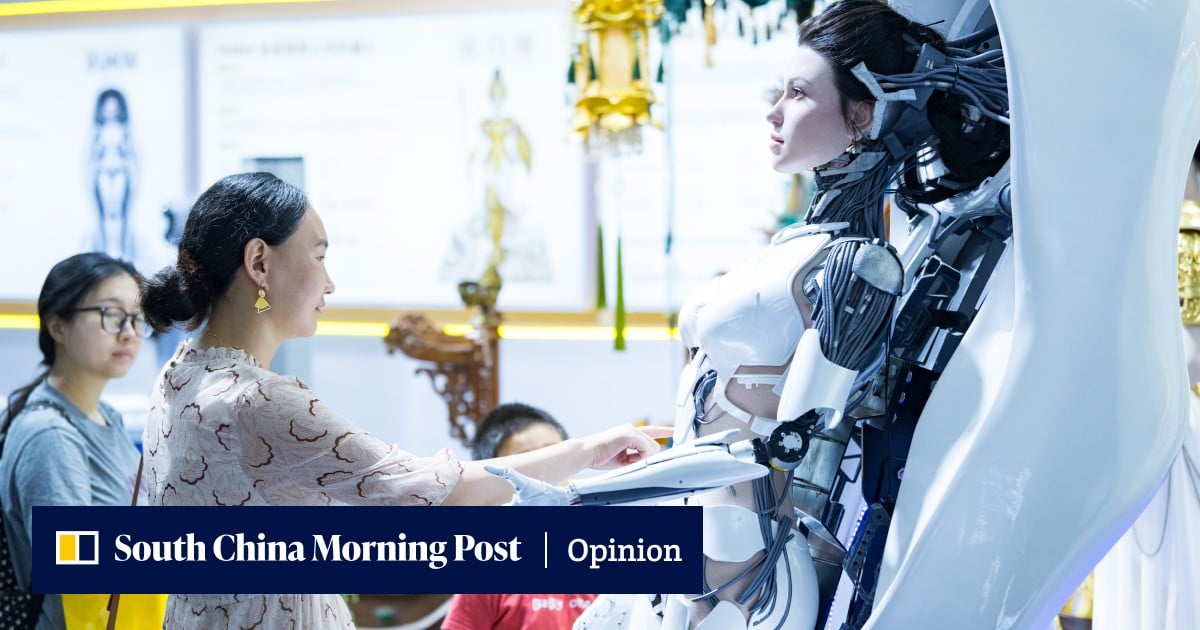
Much of the Western debate about China begins with a category error. “Communism” is often treated as synonymous with a monolithic command economy, limited private enterprise and bureaucratic control over every commercial decision. Modern China does not fit that model.
The state has not sought to replace markets. It allows competition and entrepreneurship, but within political boundaries. It also retains control over strategic assets and channels capital towards long-term priorities: infrastructure, technology, employment and social stability. That combination looks contradictory only if one assumes capitalism and public purpose must be in conflict.
For decades, Western commentary saw this contradiction as temporary. The expectation was that market reform, World Trade Organization membership and the emergence of a prosperous middle class would eventually draw China towards an American-style political and economic settlement. It did not happen.
China took a different route. It gave markets, entrepreneurs and foreign investors room to operate, but never allowed the market to become the state’s organising principle. Competition was encouraged, but mainly where it advanced China’s industrial goals.

Don't Miss:
-
John Lee promises ‘high-quality’ experience for Apec finance meeting guests
-
John Lee urges public to tune in to Legco debate on city’s 5-year plan, policy address
-
Hong Kong prepares reforms, accountability measures ahead of Tai Po fire report
-
Turkmenistan grows its arsenal of Chinese air defences as Russia’s role shrinks
-
India sizes up US F-35 stealth jets in landmark first on home turf