
 New documents show how a retail chain’s sales practices helped put guns on US streets
  Singapore a battleground of commodities fraud lawsuits
  From Propagandist to Criminal
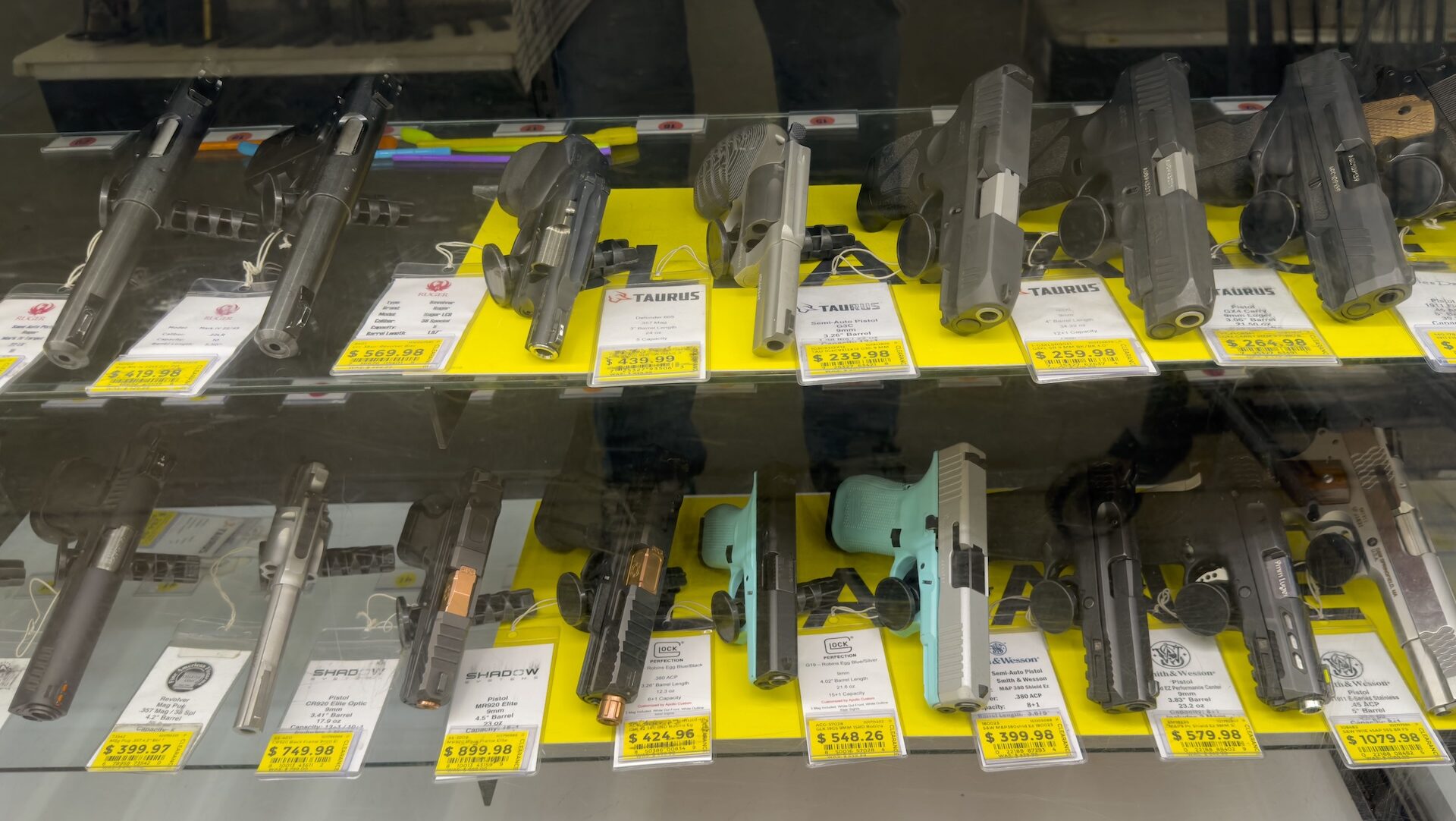
In the summer of 2021, an employee at a firearms dealer in Minnesota emailed one of the company’s compliance officers with a concern: a customer had bought six pistols in a little over a week.
The large number of purchases in such a short period had triggered a federal reporting requirement intended to alert the government to potential firearms trafficking, he wrote, and he wanted to know “if we should stop any future sales” to the person.
The sales continued. Over the next two months, the same man, Jerome Horton, bought an additional 11 guns at various stores operated by the company, a Wisconsin-based retail chain named Fleet Farm. Several of the guns were subsequently found at crime scenes or in the possession of convicted criminals, court documents show. One of them was recovered in connection with a shooting that injured 14 and killed one woman, Marquisha Wiley.
Similar cases have occurred countless times across the United States, where gun laws allow dealers to sell guns in bulk to traffickers with few consequences. The details of those sales and internal discussions about them are usually shrouded in mystery.
But newly released documents reviewed by the International Consortium of Investigative Journalists shed light on firearm industry practices that experts say contribute to gun trafficking in the United States and abroad.
The cache consists of nearly 700 documents connected to litigation brought by the state of Minnesota against Fleet Farm in the fall of 2022. In the lawsuit, the Minnesota attorney general accused the company of negligence for failing to recognize and act on common indicators of gun trafficking. Those failures, the attorney general argued, allowed firearms Horton purchased to enter the black market.
Earlier this year, Fleet Farm settled the case, paying the state $1 million and agreeing to make improvements to its firearms sales procedures. As part of the settlement, the company agreed to release to the public internal documents revealed during the suit, as well as depositions of its employees and other materials that, taken together, provide a rare look into the inner workings of a large gun retailer. The company denies any wrongdoing. It did not respond to several requests for comment.
The documents have been archived at University of California San Francisco and integrated into a larger collection of documents from litigation related to tobacco, opioids and other industries that impact public health.
The sale of multiple firearms to a single person is not, in and of itself, a sign of wrongdoing by the seller or buyer. There are no federal limits on the number of guns any one adult can buy as long as the buyer does not belong to certain classes of people, such as convicted criminals, who are banned from possessing firearms altogether.
But there are some behaviors that, taken together, are considered “red flags” for straw purchasing — buying a gun on behalf of someone else. Traffickers and other criminals often employ “straw purchasers” with clean records to obtain guns for them. The practice is illegal. The ATF tells dealers to be on the lookout for, among other things, people who purchase several guns over a short period, buy multiples of the same model or plunk down large amounts of cash for the weapons.
It is also illegal to knowingly sell a gun to a straw purchaser. Sellers who have reasonable cause to believe that a sale violates the law are required to decline it.
The ATF and other law enforcement agencies regularly arrest people who buy guns on behalf of traffickers. But it is much less common for them to pursue charges against sellers, even when they are repeatedly linked to illegal sales.
Fleet Farm educated its employees on spotting red flag behavior by customers as part of its internal training program, the documents show. The training helped employees stop some potential straw purchasers and report them to the ATF, but others, like Horton, slipped through the cracks.
The company’s handling of Horton’s purchases became a key issue in Minnesota’s suit.
Between July 23 and July 31, Fleet Farm sold Horton at least six handguns. The company reported the sales to the ATF, which requires firearms dealers nationwide to provide detailed information to the agency whenever they sell two or more handguns to an individual within five consecutive business days. Concerned by the high purchase volume, Cory Klebs, the operations manager at the location where Horton bought the guns, sent an email to one of the company’s firearms compliance specialists, Michelle Granato, asking whether to continue selling Horton weapons.
No one ever responded, according to a transcript of a deposition of Mr. Klebs included in the recent document release. The company continued selling firearms to Horton.
That October, a felon used one of the guns during a shooting in a St. Paul bar that killed Marquisha Wiley. The next month, Fleet Farm held a training session for employees on how to identify suspicious firearms purchases. A PowerPoint from the training shows Horton’s purchase record with the caption “Does anyone else find this suspicious?”
Questioned about the slide during a deposition, a Fleet Farm firearms compliance specialist said that many customers buy multiple handguns and that the transactions had been included in the PowerPoint because “we knew this was from Horton’s case and Horton’s case was a confirmed straw purchase.”
Internal corporate communications released as part of the settlement show that the firearms compliance team was concerned that Fleet Farm employees did not always follow company policy on gun sales or even meet their legal obligations for those sales.
In one series of chat messages from April 2020, a Fleet Farm firearms specialist noted that two stores had sold guns without performing legally required background checks, describing the situation as “out of hand.” He brought the issue to the company’s retail operations chief, he wrote, but “he blew me off.”
When a similar situation occurred two years later, the operations chief, Nick Widi, who is now Fleet Farm’s president, described the situation as a “big dam deal” and instructed managers to follow up with their teams and ensure that “we are crystal clear on process” for selling guns, according to an email released in the settlement.
Minnesota’s suit against Fleet Farm included one other example of the store selling large numbers of guns to a single buyer. Documents in a separate federal criminal case against an alleged straw purchaser also show Fleet Farm, as well as other Minnesota gun dealers, engaging in sales of multiple guns to individual buyers.
The indictment in that case, filed in 2025, alleges that Fleet Farm sold nine hand guns to the same individual over a roughly six-month period beginning in late 2019. The same person, William Burton, bought 17 guns at a second business, Sportsman’s Warehouse, and 14 from a third, Bill’s Gun Shop and Range, all in 2020, the document states. Two of the guns purchased at Bill’s were used in the killings of children, it alleges.
The sale of several guns to one person is not uncommon, and none of the companies have been accused of wrongdoing in relation to the sales. Sportsman’s Warehouse did not respond to a request for comment.
John Monson, the owner of Bill’s, said that he works closely with the ATF to deter straw purchases and keeps a close eye on multiple purchases but that identifying people who are engaged in the practice “is not as easy as people think.”
Since the sales described in the 2025 indictment, he has tightened his procedures for detecting straw purchasing, he said, adding that the Fleet Farm lawsuit had been a major factor in the decision: “We went through a pretty extensive process when Fleet Farm got sued because we’re like they’re going to come after us next.”
Even so, stopping straw purchases was an ongoing challenge, he said, adding that he followed one cardinal rule: “If we feel funny about a customer, we just choose not to do business with them.”
Don't Miss:
-
Singapore a battleground of commodities fraud lawsuits
-
From Propagandist to Criminal
-
On Indonesia’s fires, El Nino’s impact on the power sector, and other stories | Asia Sentinel Stories of the Week
-
WATCH: Inside the China Capital investigation — a live panel
-
El Niño changes Southeast Asia’s power sector trajectory