
 Canada revokes dozens of crypto firms’ registrations
  Questions swirl around US plans for record $15B Prince Group crypto seizure
  Donate to ICIJ
 Young, naive and now sleeping rough on a plastic sheet outside their embassy in Phnom Penh, Indonesians Abdul* and Hafiz* are among the expendable human resources of Southeast Asia’s scam trade.
“Our Chinese boss stole all of our passports,” said Abdul, 20, gesturing to a dozen or so of his defeated compatriots squinting in the sun from behind a jumble of bags and umbrellas.
Advertisement
“He didn’t want any responsibility for us and did not pay any salary,” added Hafiz, 19, giving only one name like his friend. “Some people worked for one month, some for four months or for one year. Nobody has any money to take home.”
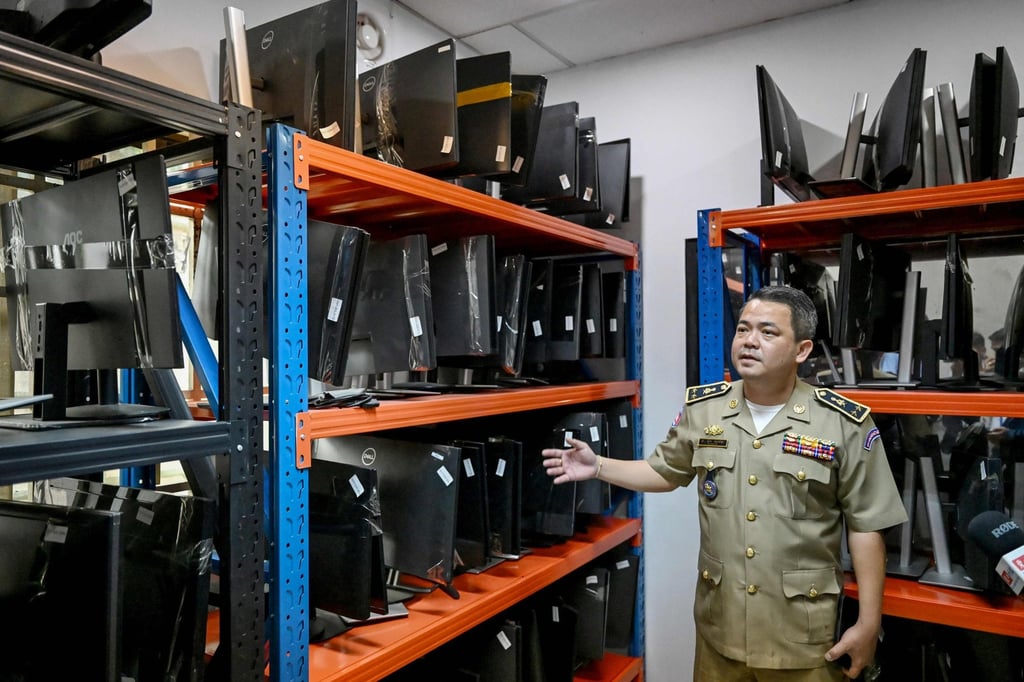
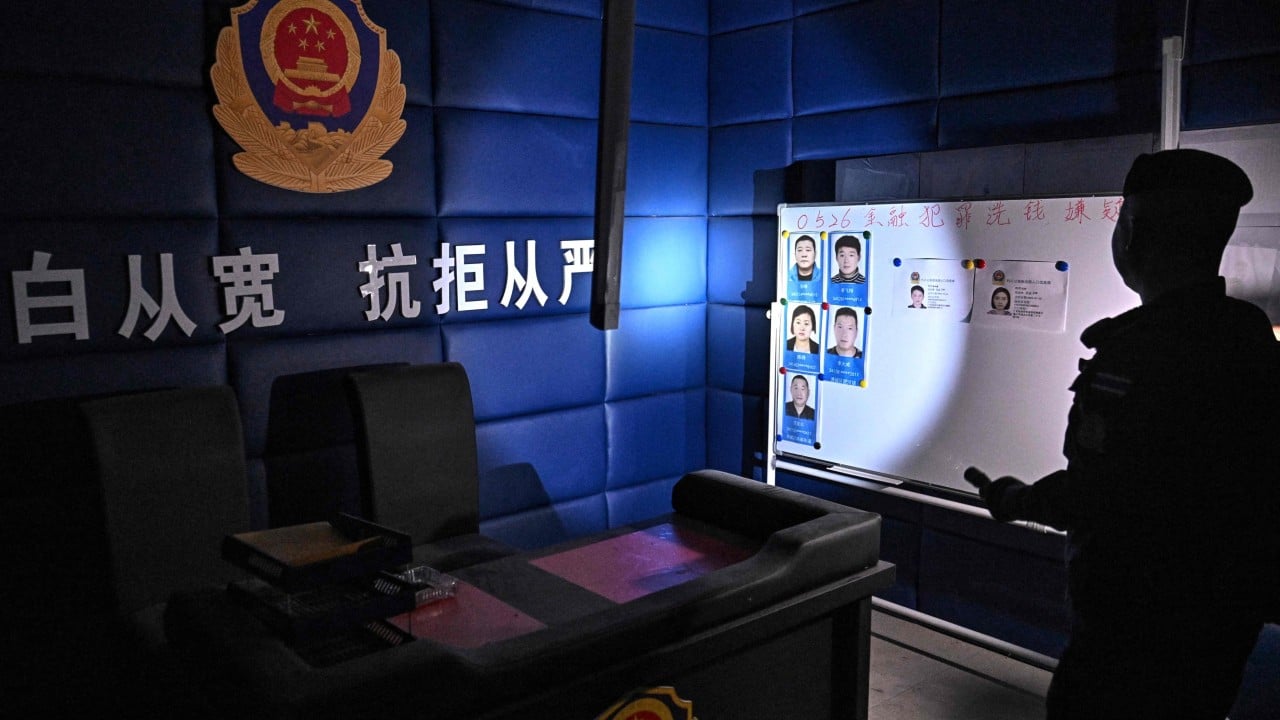
Under pressure from China and the US, Cambodia says it is scorched-earth time for the scammers, vowing they will be gone for good by April. Observers call it an ambitious deadline, especially given the scale of a criminal enterprise that has deeply embedded itself.
Advertisement
Across the country are dozens of compounds generating, depending on who you believe, as much as US$19 billion annually, equivalent to more than half Cambodia’s formal economy.
Don't Miss:
-
China proposes a new way to measure academic influence in a departure from impact factor
-
Errors in Hong Kong Tai Po blaze hearing transcript raise transparency concerns
-
China woman uses an old photo to find brother who was lured away with bread 33 years ago
-
Kyoto is eyeing taller buildings. Critics warn it will look like ‘every other city in Japan’
-
How China is stepping into the cultural repatriation void left by a retreating US