
 The Taliban’s New War Begins at Home
  Panama removed from EU’s tax haven ‘blacklist’ a decade after the Panama Papers
  Crackdown and Controversy: The Battle Over Beach Bars and Noise in Phuket’s Bang Tao
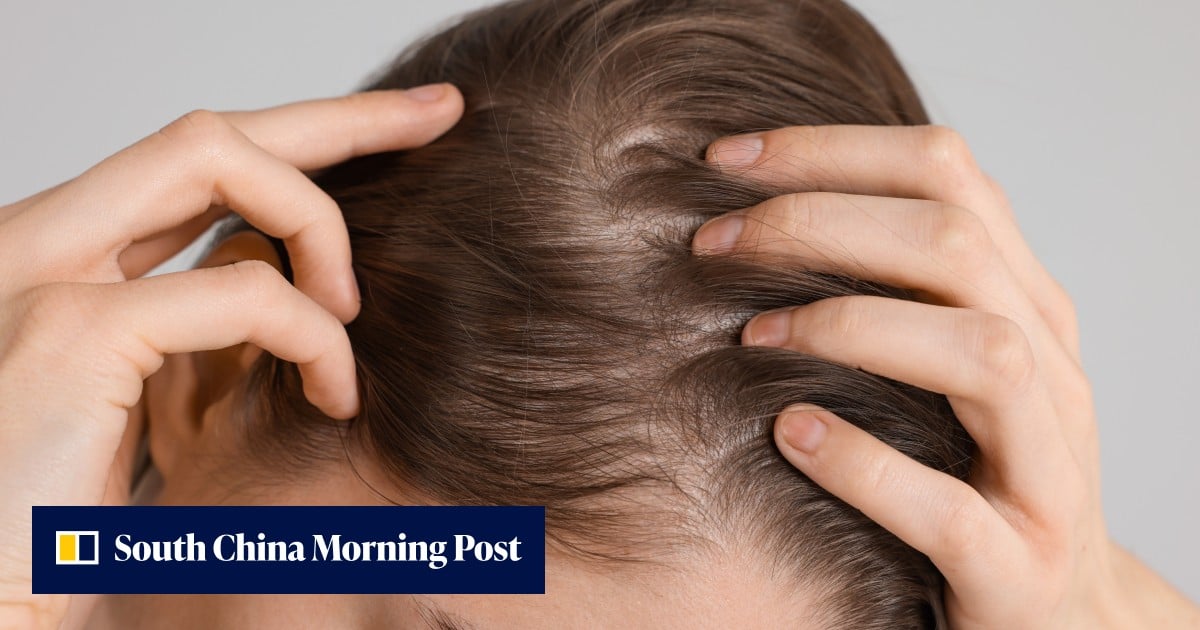
The condition is called alopecia areata. It is an autoimmune disease where the body’s own immune system mistakenly attacks hair follicles, causing unpredictable hair loss. Sometimes it is just a few patches but in severe cases, the entire scalp, eyebrows and even body hair can vanish. Until now, there has been no reliably effective treatment.
Enter upadacitinib. This once-daily oral medication was previously approved to tame inflammation in various forms of arthritis. But scientists suspected it might also help with alopecia areata by calming the same kind of immune overreaction that destroys hair follicles.
On average, the volunteers had lost about 84 per cent of their scalp hair. Some had not seen any regrowth for at least six months.
Participants were randomly assigned to take either a 15mg dose, a 30mg dose, or a placebo pill every day. The results, published in JAMA Dermatology on August 12, were striking.
Within just 24 weeks, roughly half of those taking upadacitinib – both doses combined – saw at least 80 per cent of their scalp hair grow back.
Don't Miss:
-
Drug Trafficking, U.S. Banks, and the Economic Reality Under Trump
-
Ivan’s Mob Beheads A Los Mayos Member
-
Ex-OFAC Official: The Cartel Risk Companies Can’t See | The InSight Take
-
Why Ecuador Is Losing Its Fight Against Organized Crime
-
‘El Cromo’ Arrested in Guadalajara; He Is Linked to a Group Affiliated with the CJNG