
 From Iran to China: An Emerging Trans-Central Asian Corridor
  New documents show how a retail chain’s sales practices helped put guns on US streets
  Singapore a battleground of commodities fraud lawsuits
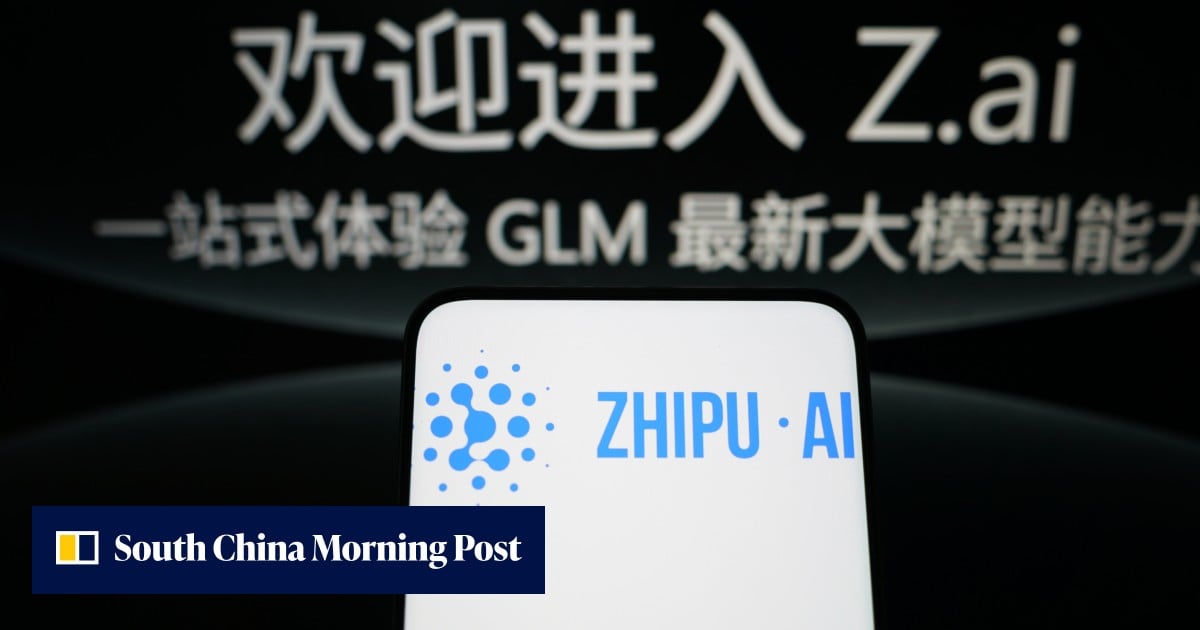
Zhipu AI’s launch of China’s first answer to Project Glasswing signals a shift in how the country’s top artificial intelligence labs approach global cybersecurity, according to a researcher.
The Beijing-based firm – now known internationally as Z.ai – announced its new GLM-5.3 model on Friday alongside the launch of its “Shield of Open Source” initiative. The programme offers free security audits to help users patch software vulnerabilities, as well as automated code-auditing tools via its ZCode platform.
It also provides free model usage quotas to the open-source community.
The initiative comes amid an escalating global debate over whether open-weight models amplify cyber risks by lowering the technical barrier for attackers. Zhipu pledged stricter oversight while implementing a layered risk-review system for GLM-5.3 that blocks high-risk requests without disrupting routine, low-risk developer tasks.
The model’s most sensitive offensive capabilities would be “reserved exclusively for verified users” under a restricted access plan dubbed “Cybersecurity Trusted Access”, Zhipu said.
“In this spirit, Z.ai appears to be proposing a kind of Project Glasswing with Chinese characteristics that sees openness as an asset rather than a drawback,” said Gabriel Wagner, an international AI governance researcher at Beijing-based Concordia AI.
Don't Miss:
-
John Lee promises ‘high-quality’ experience for Apec finance meeting guests
-
John Lee urges public to tune in to Legco debate on city’s 5-year plan, policy address
-
Hong Kong prepares reforms, accountability measures ahead of Tai Po fire report
-
Turkmenistan grows its arsenal of Chinese air defences as Russia’s role shrinks
-
India sizes up US F-35 stealth jets in landmark first on home turf