
 From Iran to China: An Emerging Trans-Central Asian Corridor
  New documents show how a retail chain’s sales practices helped put guns on US streets
  Singapore a battleground of commodities fraud lawsuits
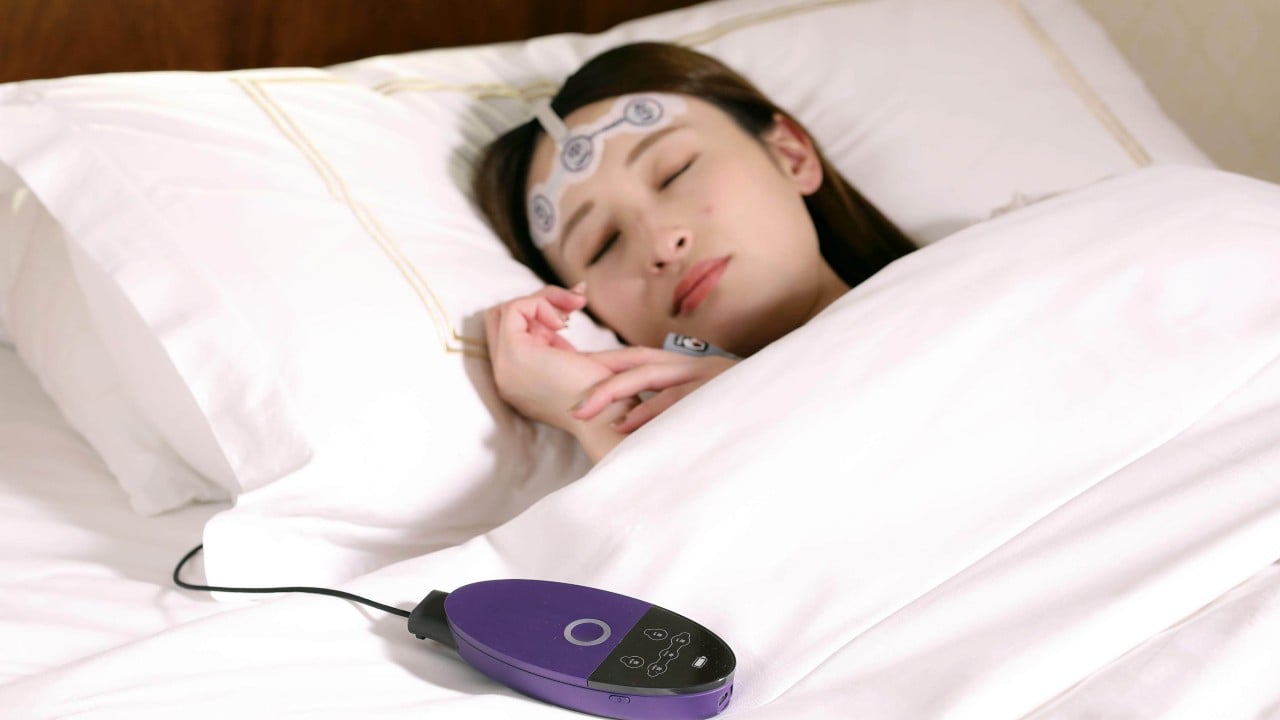
 An increasing number of hotels in Japan are offering “sleep tourism” experiences – stays designed to promote high-quality and restful sleep.
The trend, which started gaining popularity overseas several years ago, provides hotels with an opportunity to attract new health-conscious guests.
A sleep retreat plan called totono-ne, featuring the relaxing effects of tea, is proving a popular offering for Hotel 1899 Tokyo in the capital’s Shimbashi business district.
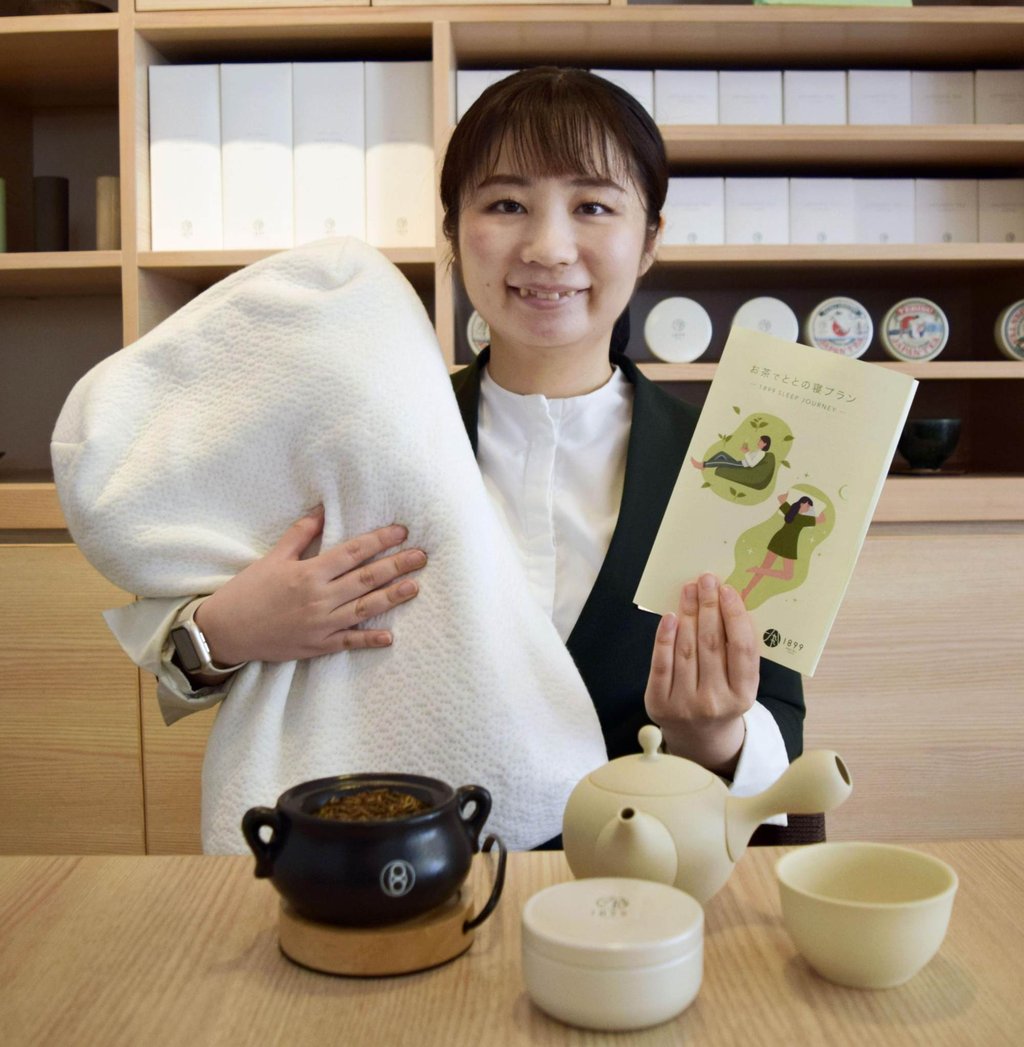
The guests answer a set of simple questions on a leaflet to get a “sleep diagnosis” and are then served with a cup of original blended tea, such as a combination of camomile and Mimasaka bancha, based on their sleep types.
Each guest room is equipped with high-performance pillows and bath salts to promote better sleep, with an additional cup of relaxing tea available before bedtime.
“We wanted to make the most of sleep, which accounts for a significant proportion of guests’ stays,” the hotel’s Yuiko Ogawa said.
Kanae Usui, a senior consultant at JTB Tourism Research & Consulting, said the trend was being driven by the large number of people dissatisfied with the quality of their sleep, as well as a growing preference among travellers for health-related experiences.
Don't Miss:
-
John Lee promises ‘high-quality’ experience for Apec finance meeting guests
-
John Lee urges public to tune in to Legco debate on city’s 5-year plan, policy address
-
Hong Kong prepares reforms, accountability measures ahead of Tai Po fire report
-
Turkmenistan grows its arsenal of Chinese air defences as Russia’s role shrinks
-
India sizes up US F-35 stealth jets in landmark first on home turf