
 IMDB’s China Connection
  Trump administration gave firm with ties to ballroom donor the green light to do business with a sanctioned Russian bank
  Claire Sylvia on the Constitutionality of the False Claims Act
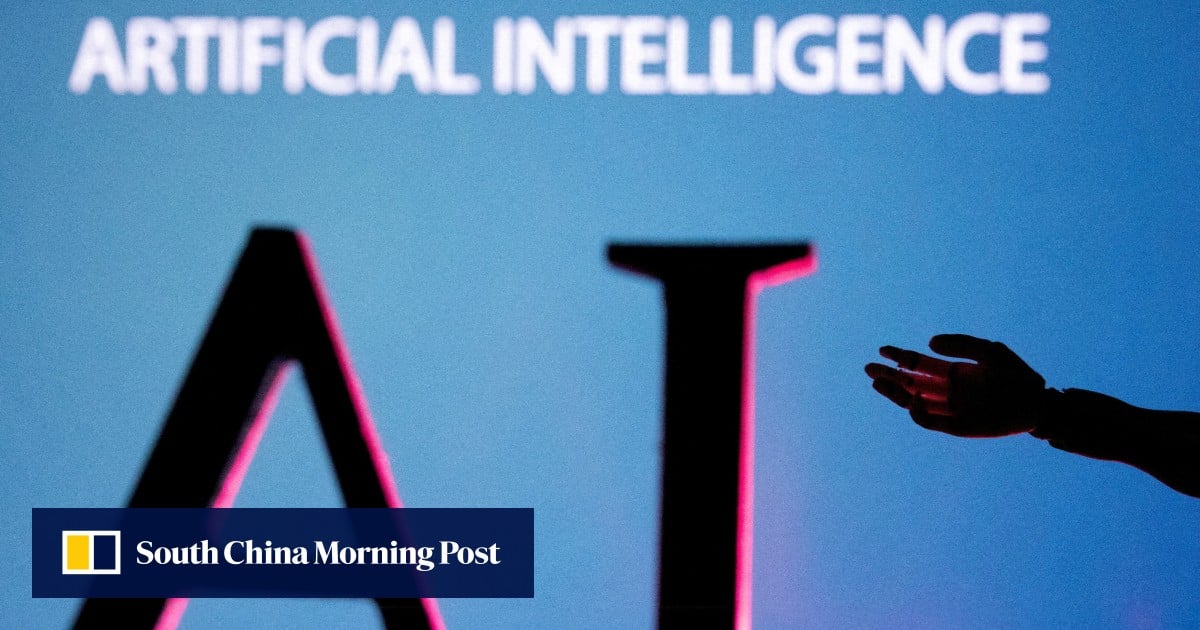
“AI has thrown developing economies a lifeline, and they should seize it,” Indermit Gill, chief economist of the World Bank Group, said as the organisation launched its annual World Development Report.
“They do not need large models or big data centres to reap its benefits,” he added, advocating for the adaptation of lower-cost AI tools to local conditions to deliver results in the health, education, justice and agricultural sectors.
Advanced AI models – largely developed in the United States and China – offer the ability to quickly analyse data and automate many tasks that otherwise take skilled humans longer to do.
These AI models, however, require huge data centres and large amounts of complex computing power, using massive amounts of electricity and water – with implications for climate change.
“Developing economies today are in the midst of their weakest average growth performance in three decades,” said a World Bank statement accompanying the report.
Don't Miss:
-
Japan begins clean-up after Typhoon Dujuan kills 4, batters east
-
Indefinite time in psychiatric ward for Hong Kong man who fatally stabbed 2 in mall
-
Who needs a degree? South Korea’s chip boom rewires university-obsessed culture
-
Cambodia hosts anti-scam summit as scepticism lingers
-
‘Do teachers not have families?’: kindergartens’ Mid-Autumn events draw backlash