
 IMDB’s China Connection
  Trump administration gave firm with ties to ballroom donor the green light to do business with a sanctioned Russian bank
  Claire Sylvia on the Constitutionality of the False Claims Act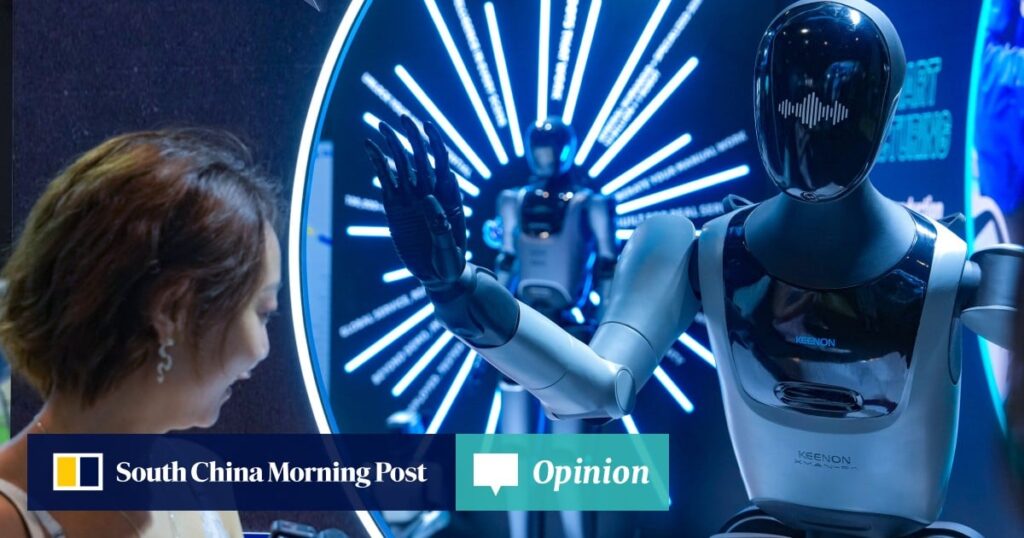
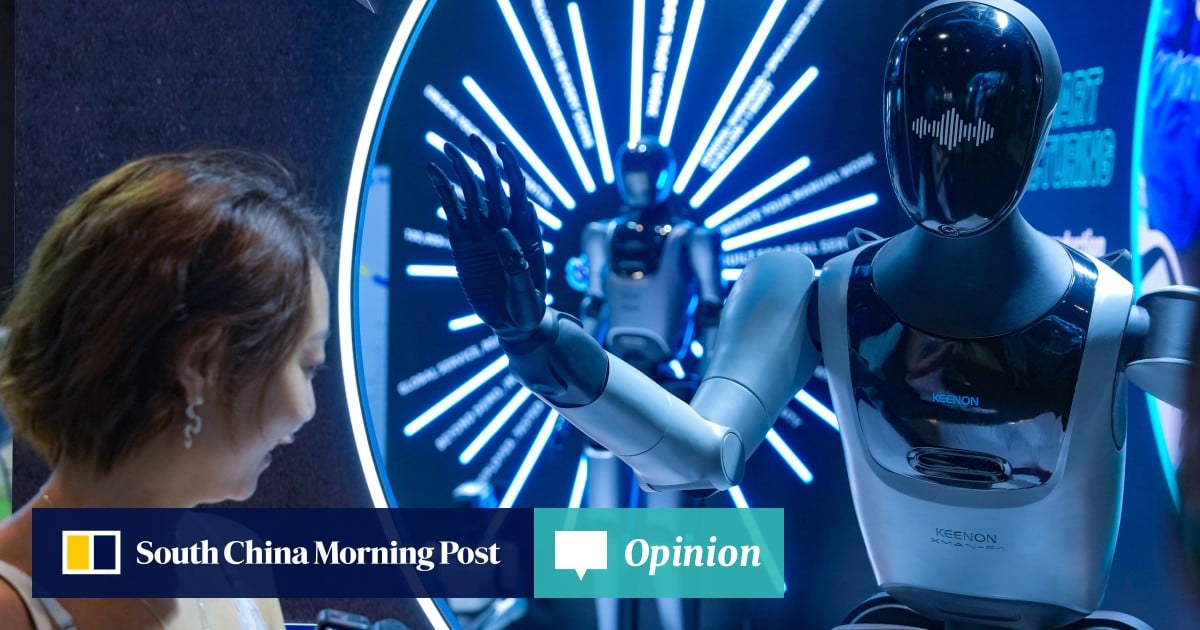
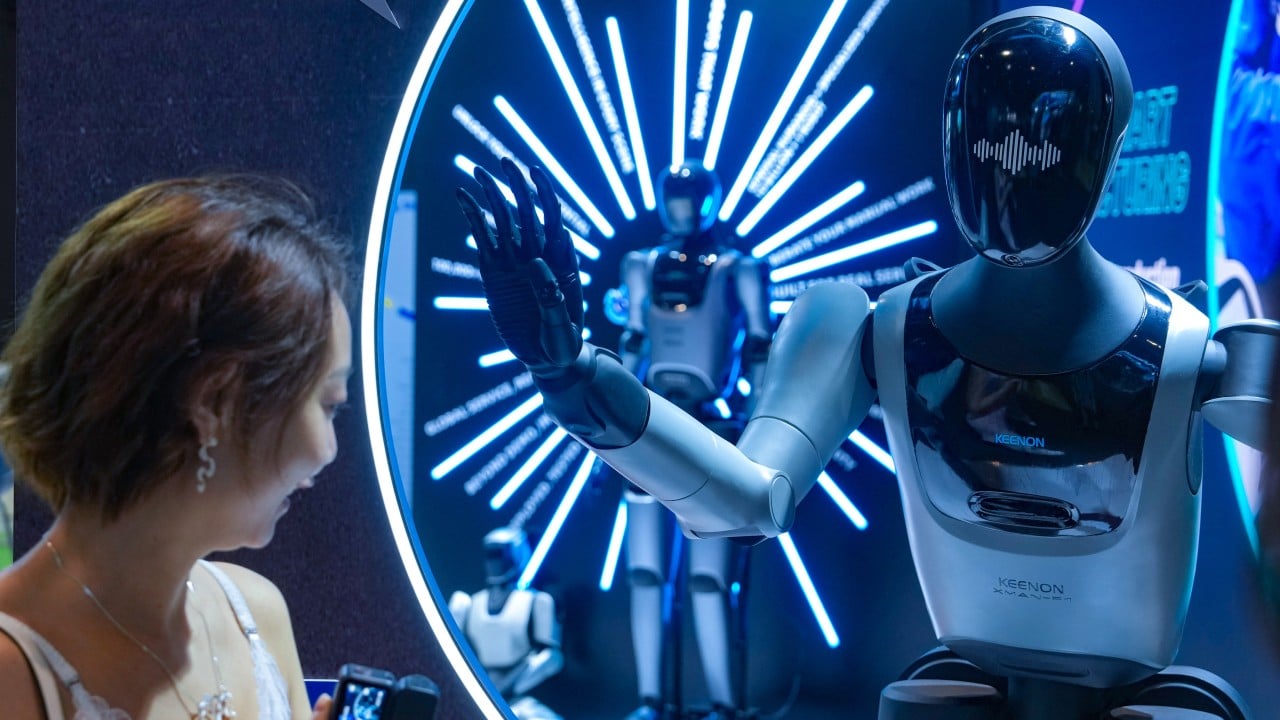
For decades, Hong Kong’s movers and shakers maximised returns from finance, trade and real estate. But as the global economy pivots towards technology and innovation, these engines face mounting headwinds.
To navigate this transition, Hong Kong requires a profound “power shift”, a systemic re‑engineering of mindsets, incentives and risk appetites across business, bureaucracy and academia.
Hong Kong’s history shows that elite behaviour determines the city’s trajectory. At each juncture, successive migration waves reshaped its elite class, catalysing economic rebirth.
The first defining wave arrived after World War II, led by Shanghainese industrialists fleeing civil war. They did not merely relocate; they transplanted capital, technical expertise and an entrepreneurial spirit that fuelled Hong Kong’s industrialisation. Their willingness to embrace high-risk ventures laid the foundations of a global manufacturing hub.
Another wave, spanning the 1960s through the 1970s, brought migrants from Guangdong. While they did not arrive as elites, their industrious labour powered Hong Kong’s export miracle. Crucially, this era showed that elite-led value creation requires an ecosystem capable of integrating and mobilising new social groups.
Don't Miss:
-
Japan begins clean-up after Typhoon Dujuan kills 4, batters east
-
Indefinite time in psychiatric ward for Hong Kong man who fatally stabbed 2 in mall
-
Who needs a degree? South Korea’s chip boom rewires university-obsessed culture
-
Cambodia hosts anti-scam summit as scepticism lingers
-
‘Do teachers not have families?’: kindergartens’ Mid-Autumn events draw backlash