
 Anwar Ibrahim: The Man Who Became the Compromise
  The US is letting a convicted Bolsonaro spy chief stay in Florida. Brazil wants answers.
  Rick Claypool on Pay to Play Corporate Crime Enforcement
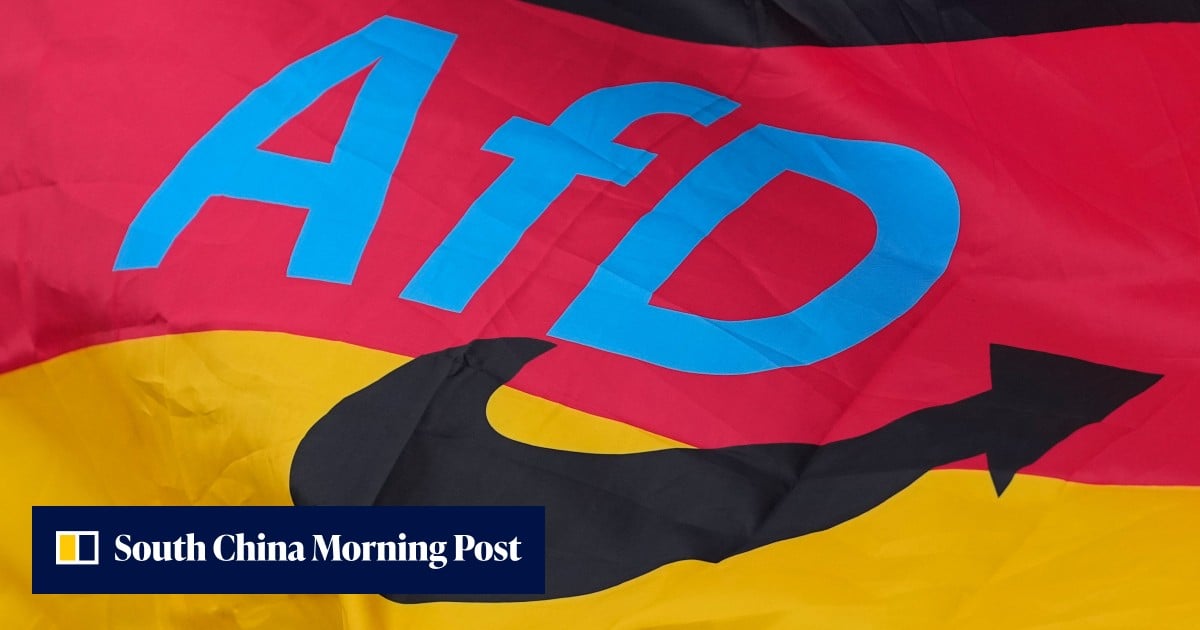
More than three decades after Germany’s 1990 reunification, lasting east-west divisions may be thrown into stark relief at Sunday’s election in the eastern state of Saxony-Anhalt.
The anti-immigration and Moscow-friendly Alternative for Germany (AfD) is expected to win big and even hopes to take power at the state level, which would be a first for a far-right party in German post-war history.
As much of the east has become an AfD stronghold, the government’s commissioner for eastern Germany, lawmaker Elisabeth Kaiser, herself from Thuringia state in the east, spoke about the historic and cultural factors shaping the region’s distinct politics.
When the Berlin Wall fell in 1989, spelling the end of the communist German Democratic Republic (GDR), many state-owned enterprises were closed, sparking large-scale unemployment and population flight, especially by young women.
“That was a difficult experience for many East Germans, one that has persisted across generations, becoming part of a collective East German memory,” Kaiser said.
“It involved this sense of devaluation, this experience of loss and the realisation that everything can change overnight.”
Don't Miss:
-
Organized Crime Postponed Democracy in Haiti, Again | The InSight Take
-
Unstoppable Violence in Michoacán: 31 Police Officers Killed, and Criticism of the Government Mounts
-
A Total of 13 Mass Graves Have Been Found in Viesca Containing the Charred Remains of Men and Women
-
Jorge Luis Zambrano, alias “Rasquiña”
-
El Taliban Fell In Mazatlán… And What He Confessed Ties Everything Together