
 From Iran to China: An Emerging Trans-Central Asian Corridor
  New documents show how a retail chain’s sales practices helped put guns on US streets
  Singapore a battleground of commodities fraud lawsuits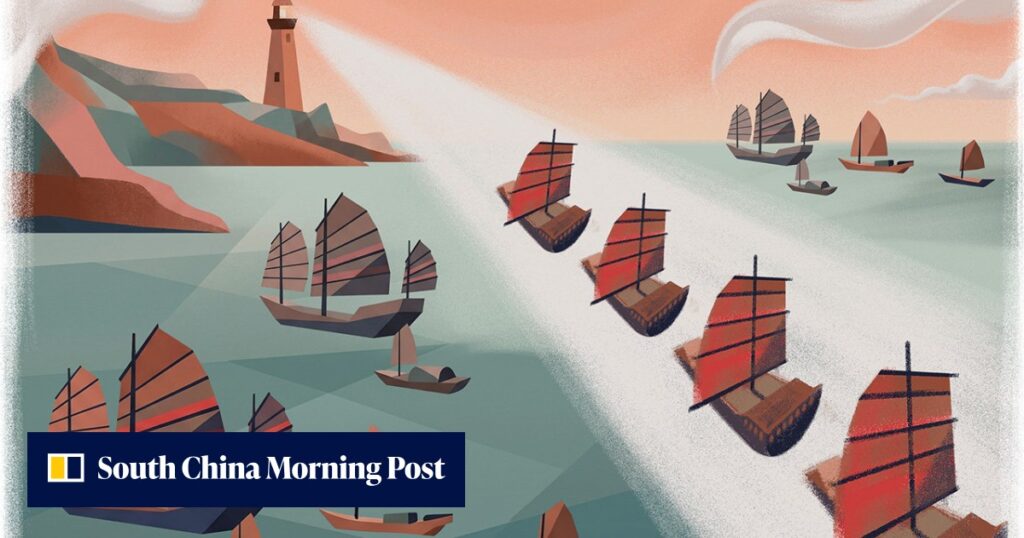
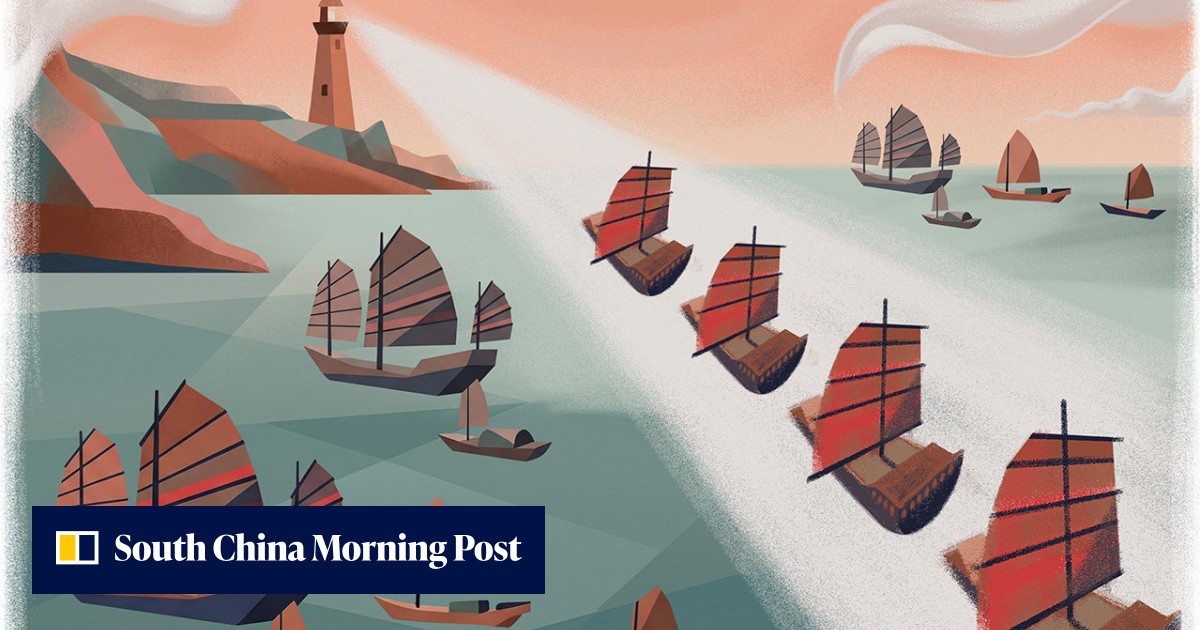
As the government completes a public consultation exercise to craft the city’s own five-year plan to align with national development, the first of this five-part series looks at key questions, starting with the need for such a blueprint.
Economist Heiwai Tang has a line he likes to use on free-market purists: “The market is almost always right, but it’s not always right.”
“We should not be the last defender of laissez-faire, which has created a lot of prosperity for many people but has also created a lot of long-term structural problems that cannot easily be overcome by market forces,” he said.
All that may change soon if the government plays its hand well.
This is uncharted territory for Hong Kong. From the 1970s under British colonial rule to the post-handover period, the city government, characterised by its laissez-faire policy, relied on annual policy addresses and budgets for overall planning.

Don't Miss:
-
John Lee promises ‘high-quality’ experience for Apec finance meeting guests
-
John Lee urges public to tune in to Legco debate on city’s 5-year plan, policy address
-
Hong Kong prepares reforms, accountability measures ahead of Tai Po fire report
-
Turkmenistan grows its arsenal of Chinese air defences as Russia’s role shrinks
-
India sizes up US F-35 stealth jets in landmark first on home turf