
 New documents show how a retail chain’s sales practices helped put guns on US streets
  Singapore a battleground of commodities fraud lawsuits
  From Propagandist to Criminal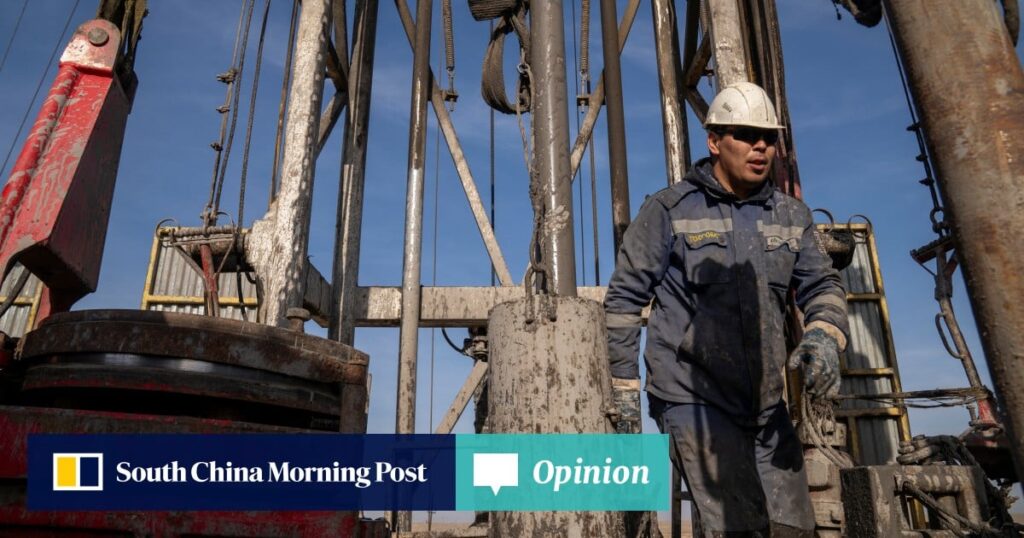
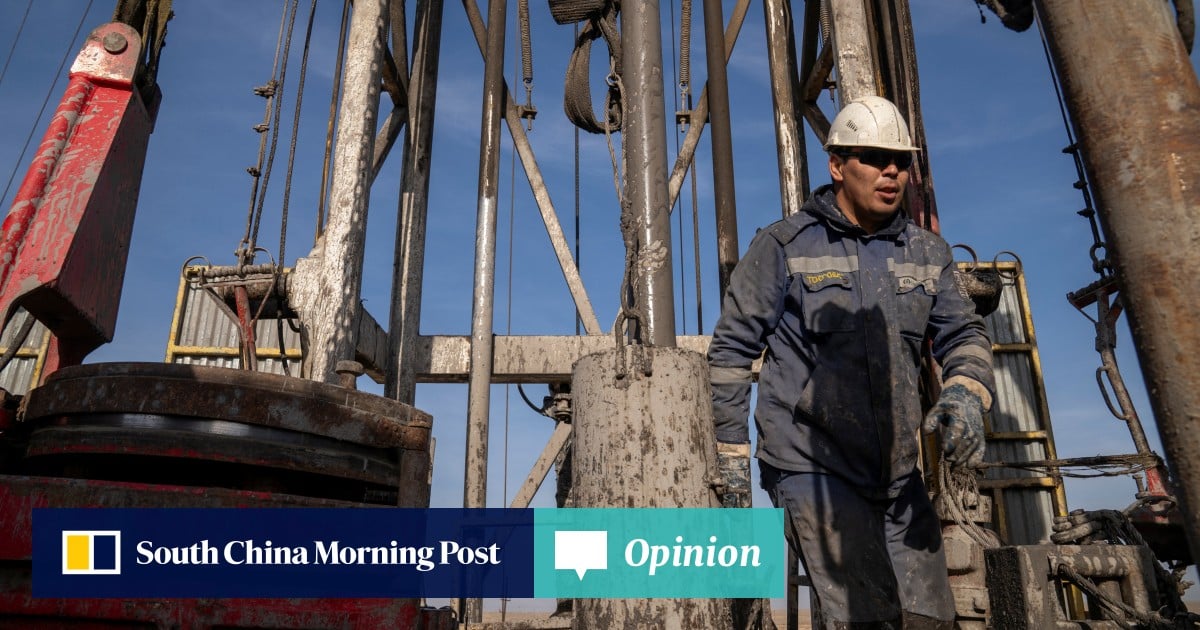
The war in Iran is not just a regional crisis. It is reshaping global energy flows, disrupting shipping routes and forcing governments to reassess the vulnerability of their supply chains. For China, the conflict has exposed an increasingly urgent problem: the risks of heavy reliance on maritime energy imports from the Gulf.
The Strait of Hormuz remains one of the world’s most critical chokepoints, carrying roughly a fifth of global oil and gas under normal conditions. Any sustained disruption – whether through direct conflict or rising insurance and security costs – has immediate consequences for Asian economies, none more so than China.
While Beijing is unlikely to reduce its dependence on Middle Eastern energy in the short term, the current crisis is accelerating a longer-term shift towards more resilient, diversified and overland alternatives. In that recalibration, Central Asia is becoming more important. Within the region, Kazakhstan stands out as the key partner.
Advertisement
The foundation for this shift was already in place before this conflict. Trade between China and the five Central Asian states – Kazakhstan, Kyrgyzstan, Tajikistan, Turkmenistan and Uzbekistan – has expanded rapidly in the past decade, exceeding US$100 billion in 2025.
More tellingly, the structure of that trade is changing. Road transport now accounts for more than half of China’s trade with the region, up from less than 20 per cent just a few years ago, underscoring the growing importance of land-based connectivity.
Advertisement
Kazakhstan sits at the centre of this transformation. Bilateral trade between China and Kazakhstan reached a record US$48.7 billion in 2025. The two countries have also built a dense web of investment ties, with more than 200 joint projects valued at more than US$60 billion.
Don't Miss:
-
Former American Idol singer Caleb Flynn sentenced to life in prison for wife’s murder
-
Bogota mayor presses Chinese-led consortium for more metro workers as auditors flag delays
-
ICC unseals arrest warrants for 4 Taliban leaders wanted on gender persecution charges
-
Quebec votes in provincial election as separatist surge poses test for Canada’s PM Carney
-
“Here, We Confront Drug Traffickers Daily… And The U.S.?”