
 When Great Powers Talk, Who Speaks for Asia
  About the China Capital investigation
  Frequently asked questions about the China Capital investigation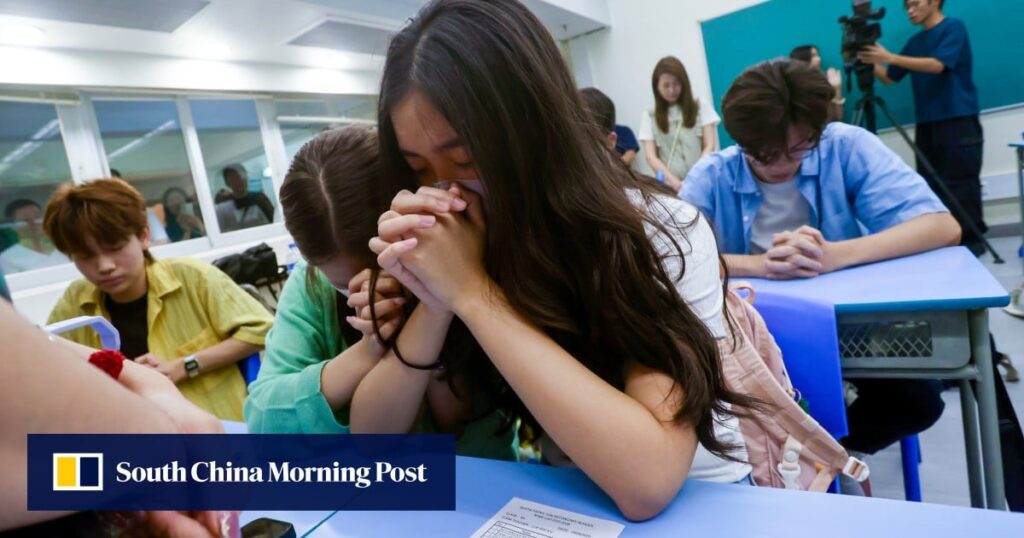
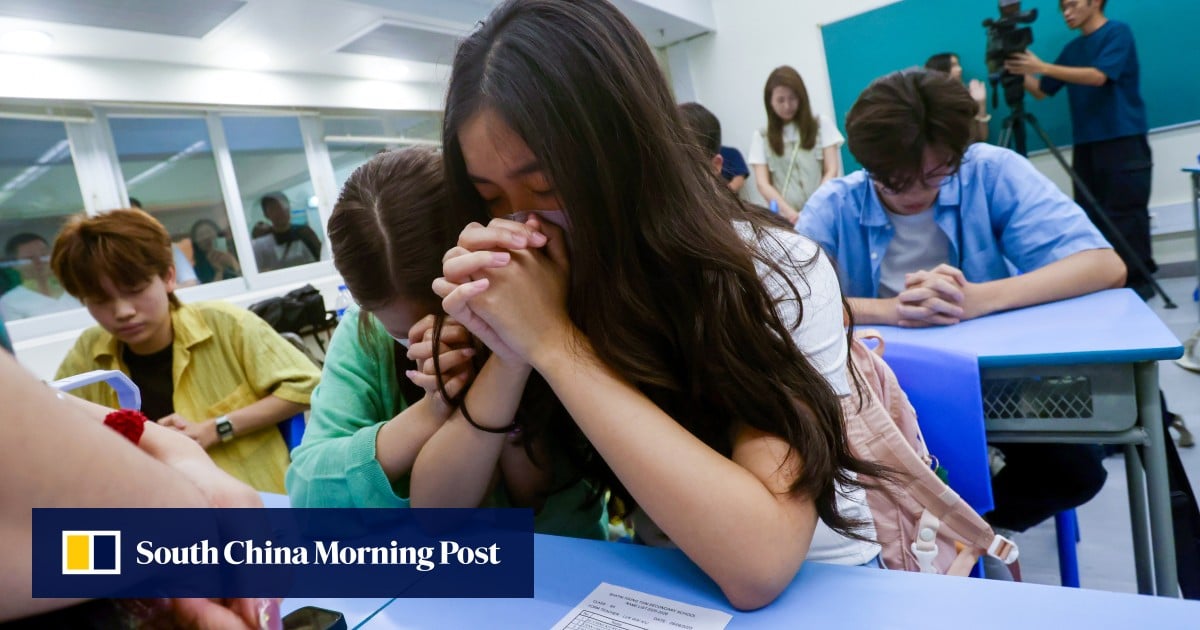
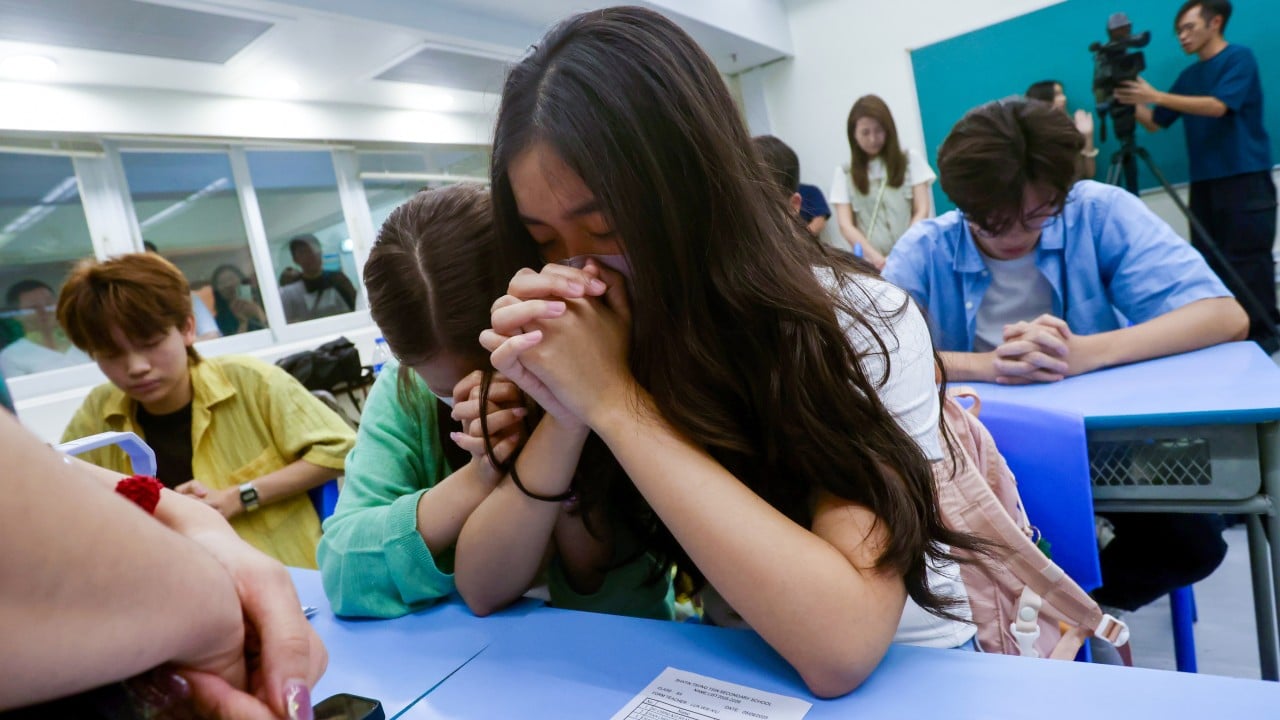
Some 43,347 day-school candidates are sitting Hong Kong’s Diploma of Secondary Education (DSE) exam this year, but there are only about 12,000 subsidised undergraduate places at the city’s eight public universities. So what options do the tens of thousands of remaining students have?
According to a survey by education authorities, 85 per cent of Form Six students in the 2024-25 cohort opted for local tertiary education, including bachelor’s degrees, sub-degrees and diploma courses.
The South China Morning Post looks at the alternative pathways available to these graduates.
1. What degree options are there beyond the eight public universities?
There are bachelor’s programmes offered by self-financing tertiary institutions that are subsidised by the government under the Study Subsidy Scheme for Designated Professions, which covers 10 disciplines with strong manpower demand.
These institutions offer around 3,425 first-year degree places across 47 programmes at eight self-financing institutions.
The annual subsidy for the coming academic year ranges from HK$46,780 (US$5,970) to HK$81,450, depending on programme type and whether it is laboratory based.
The programmes cover architecture and engineering, computer science, creative industries, financial technology, healthcare, insurance, logistics, sports and recreation, testing and certification, and tourism and hospitality.
Don't Miss:
-
China urges ‘constructive dialogue’ with EU in high-level call with France
-
Hong Kong airport builds third runway with strategy to help marine environment thrive
-
Cambodia, Thailand take US$300 billion seabed dispute to UN
-
Hong Kong visitor arrivals hit post-pandemic monthly high in August
-
Indonesian finance minister found out about his firing in mid-meeting phone call