
 Anwar Ibrahim: The Man Who Became the Compromise
  The US is letting a convicted Bolsonaro spy chief stay in Florida. Brazil wants answers.
  Rick Claypool on Pay to Play Corporate Crime Enforcement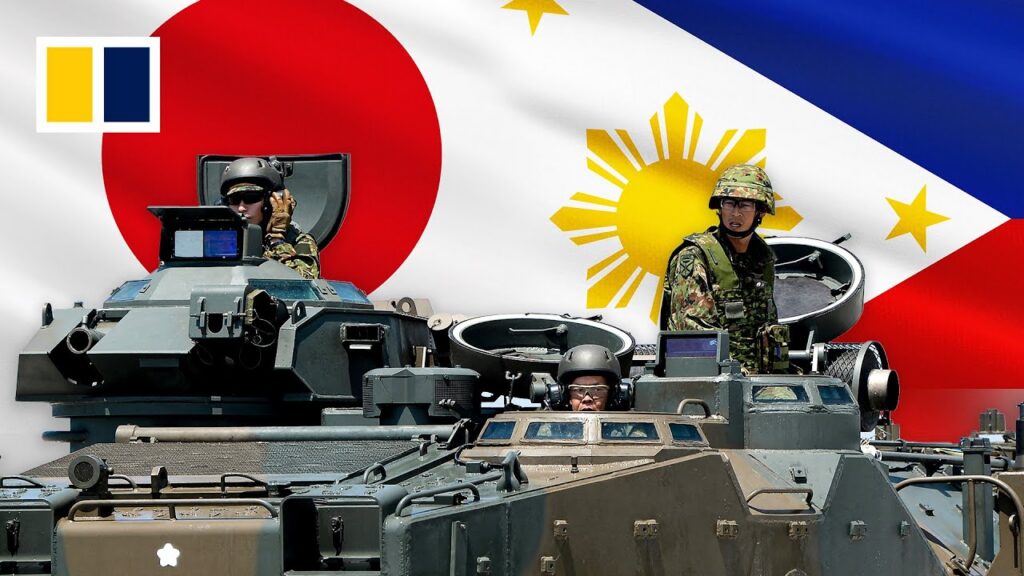
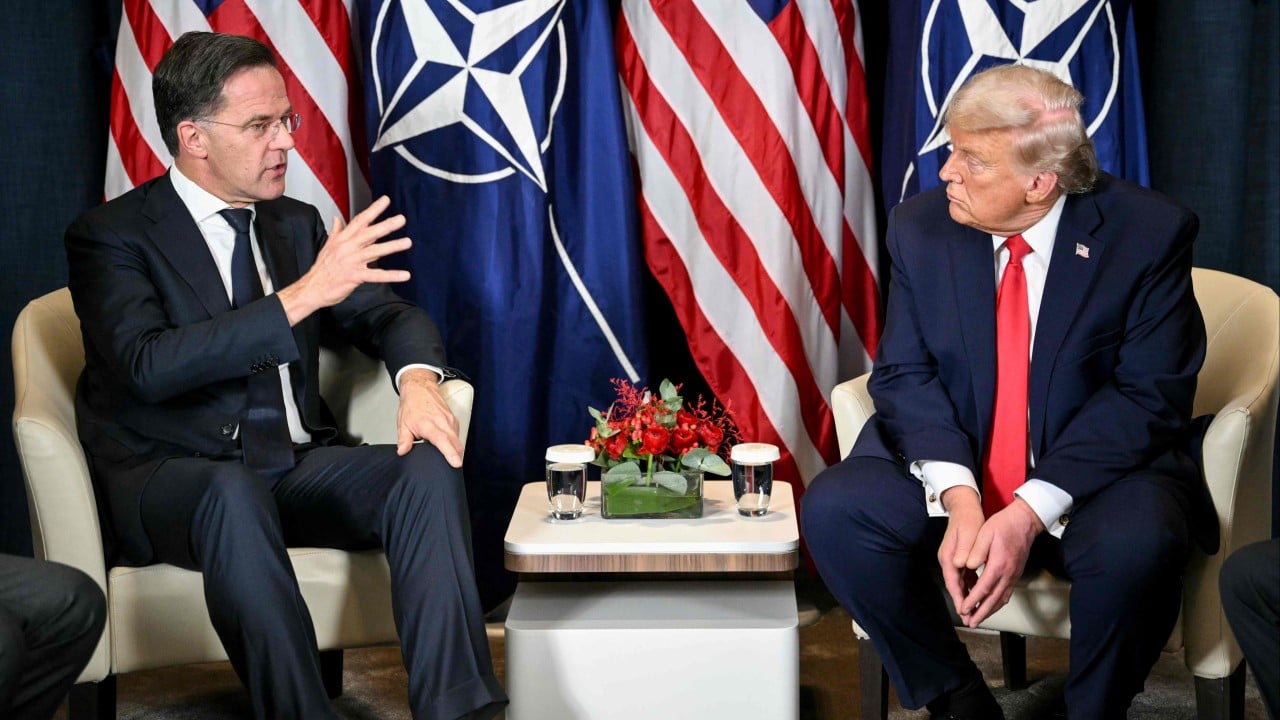
The United States attacked Iran without consulting its European allies. President Donald Trump assumed the operation would be a quick win, over before anyone had to take a position. Instead, Washington answered a question Western governments had long avoided.
Iran and Taiwan are different cases. One sits on Europe’s wider periphery and carries immediate consequences for energy, migration and regional spillover. The other lies in East Asia and turns on the balance of power in the Indo-Pacific. Yet both confront Washington with the same problem. Political alignment is one thing; military participation in a campaign shaped on American terms is another.
Advertisement
05:28
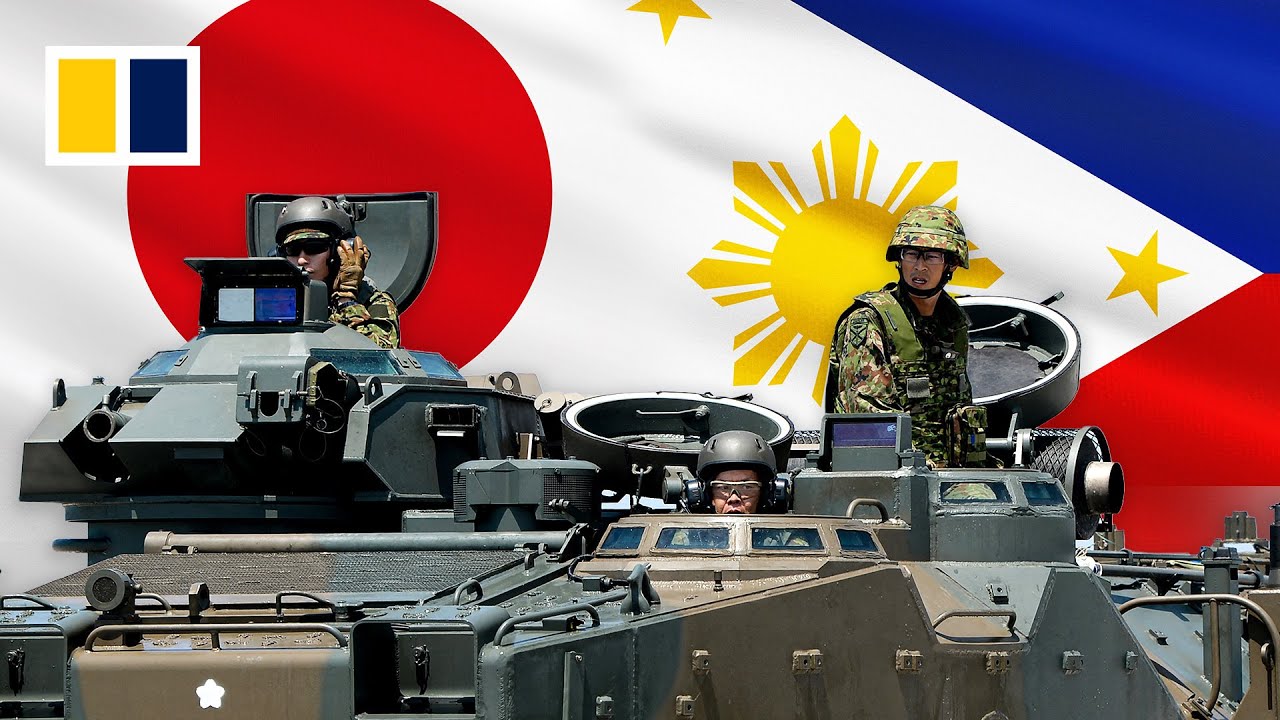
Should China be concerned about the latest Japan-Philippines security pact?
Should China be concerned about the latest Japan-Philippines security pact?
Don't Miss:
-
Organized Crime Postponed Democracy in Haiti, Again | The InSight Take
-
Unstoppable Violence in Michoacán: 31 Police Officers Killed, and Criticism of the Government Mounts
-
A Total of 13 Mass Graves Have Been Found in Viesca Containing the Charred Remains of Men and Women
-
Jorge Luis Zambrano, alias “Rasquiña”
-
El Taliban Fell In Mazatlán… And What He Confessed Ties Everything Together