
 The story that rocked the world: Ten years of the Panama Papers, part 1
  France to try alleged Magnitsky Affair mastermind Dimitry Klyuev in absentia
  Canada revokes dozens of crypto firms’ registrations
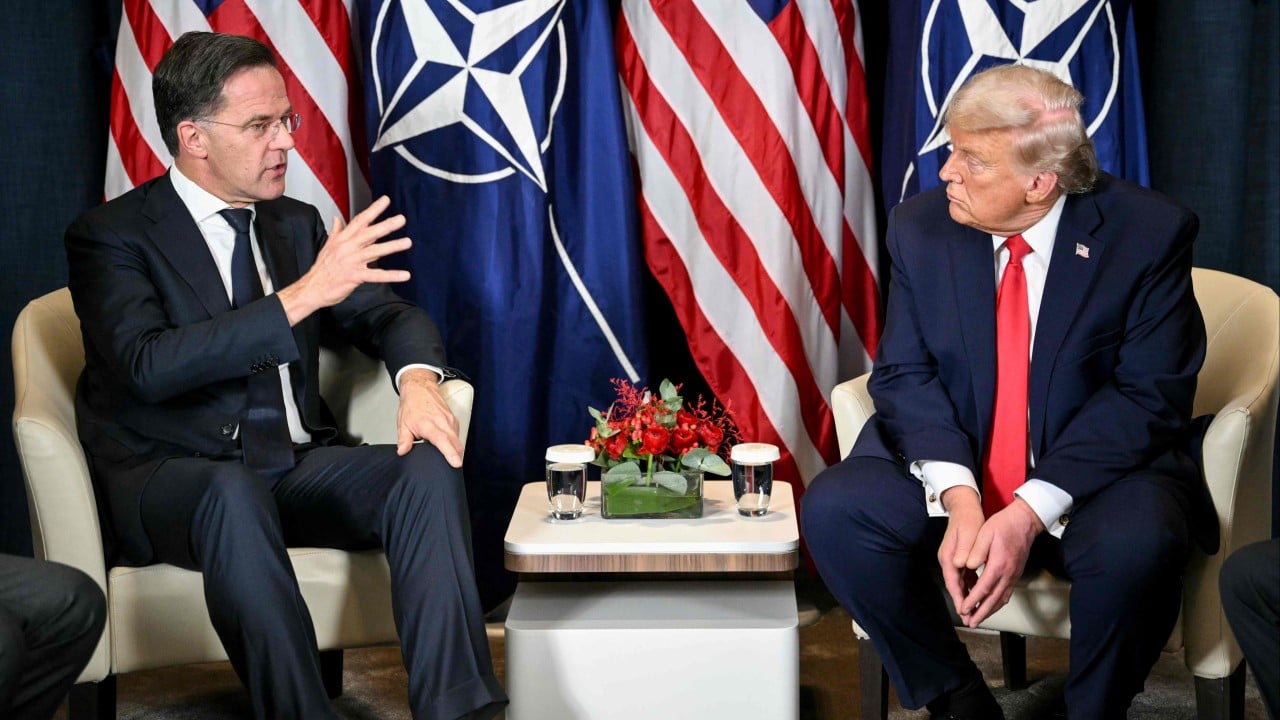
The United States attacked Iran without consulting its European allies. President Donald Trump assumed the operation would be a quick win, over before anyone had to take a position. Instead, Washington answered a question Western governments had long avoided.
Iran and Taiwan are different cases. One sits on Europe’s wider periphery and carries immediate consequences for energy, migration and regional spillover. The other lies in East Asia and turns on the balance of power in the Indo-Pacific. Yet both confront Washington with the same problem. Political alignment is one thing; military participation in a campaign shaped on American terms is another.
Advertisement
05:28
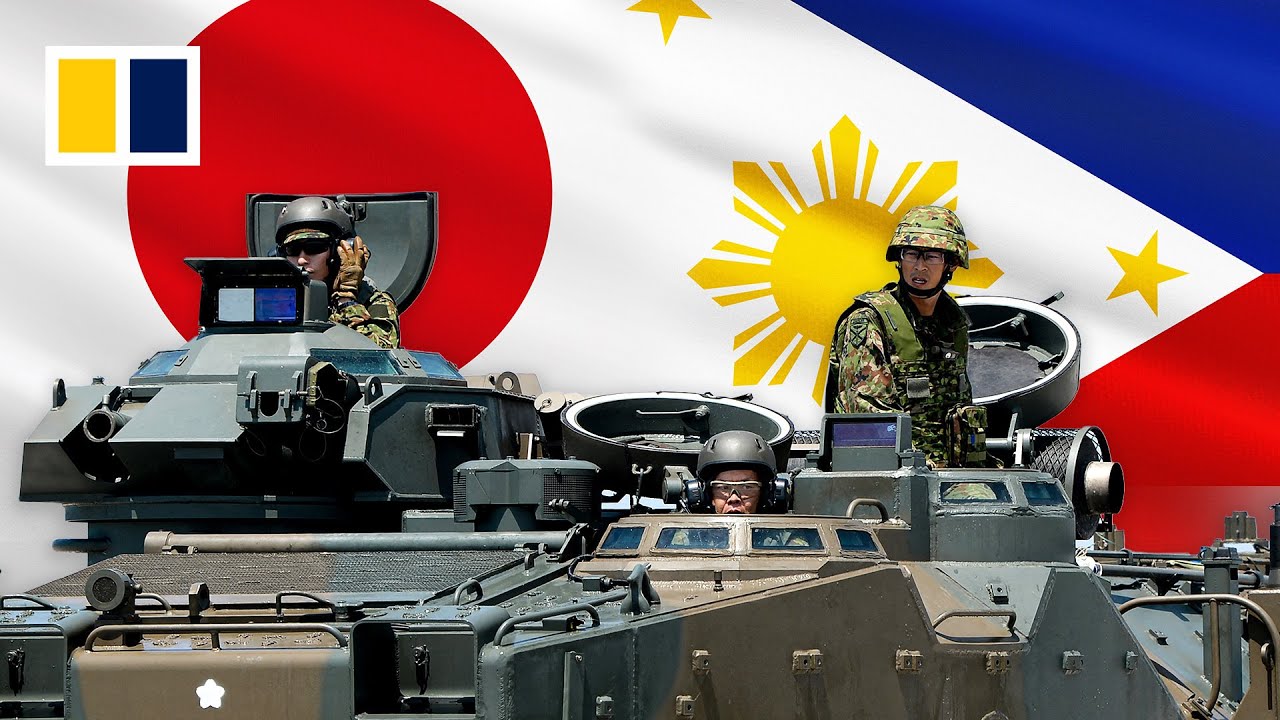
Should China be concerned about the latest Japan-Philippines security pact?
Should China be concerned about the latest Japan-Philippines security pact?
Don't Miss:
-
Is China’s commercial rocket now cheaper than Elon Musk’s SpaceX Falcon 9?
-
BBC defends action in new sex abuse scandal
-
Trump claims Iran president wants ceasefire, no response from Tehran
-
US church launches search for new HKIS school head amid legal row with operator
-
What does the China-Pakistan plan for the Iran crisis mean for a post-war order?