
 Would a Big Alaska LNG Deal make Taiwan Safer?
  Philippine VP Sara Duterte’s Impeachment Trial Narrows as Stakes Remain High
  Indonesia Stock Market Faces MSCI Exile over Poor Governance
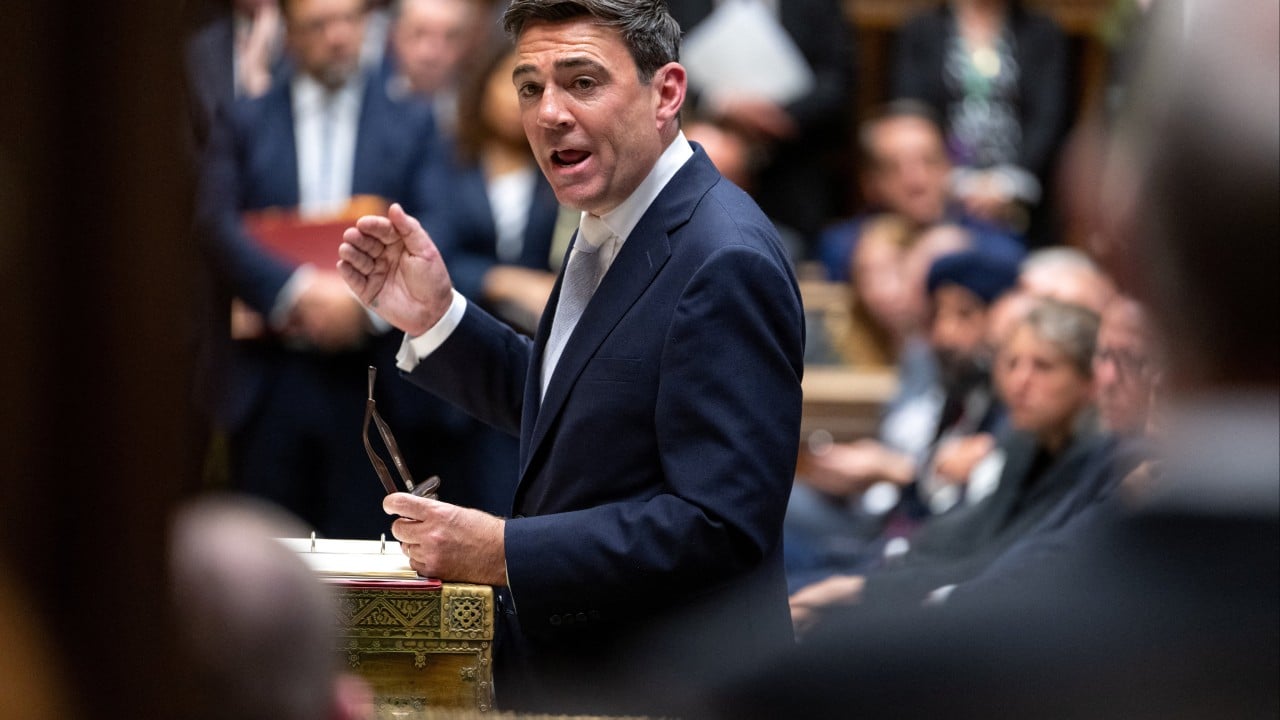
 Prime Minister Andy Burnham faced lawmakers in the House of Commons on Tuesday for the first time since becoming UK leader six weeks ago, with wars in Europe and the Middle East weighing on his promise to kick-start the economy, ease the cost of living and oversee a radical redistribution of power from London to Britain’s regions.
On the day parliament returned from its summer break, Burnham said he would “unlock a feeling of positivity and possibility in every postcode in Britain”.
“We can make this next decade better than the last,” he said. “We can lift the prospects of all our people and places. We can put more power into every postcode. We can let Britain believe again. We can bring back hope.”
It was a marked contrast to the downbeat pronouncements of Burnham’s predecessor, Keir Starmer, who tended to accentuate the scale of the challenges Britain faced.
After a string of missteps and local election defeats, Starmer was pushed out as leader by his own Labour Party just two years after winning a landslide 2024 election victory.
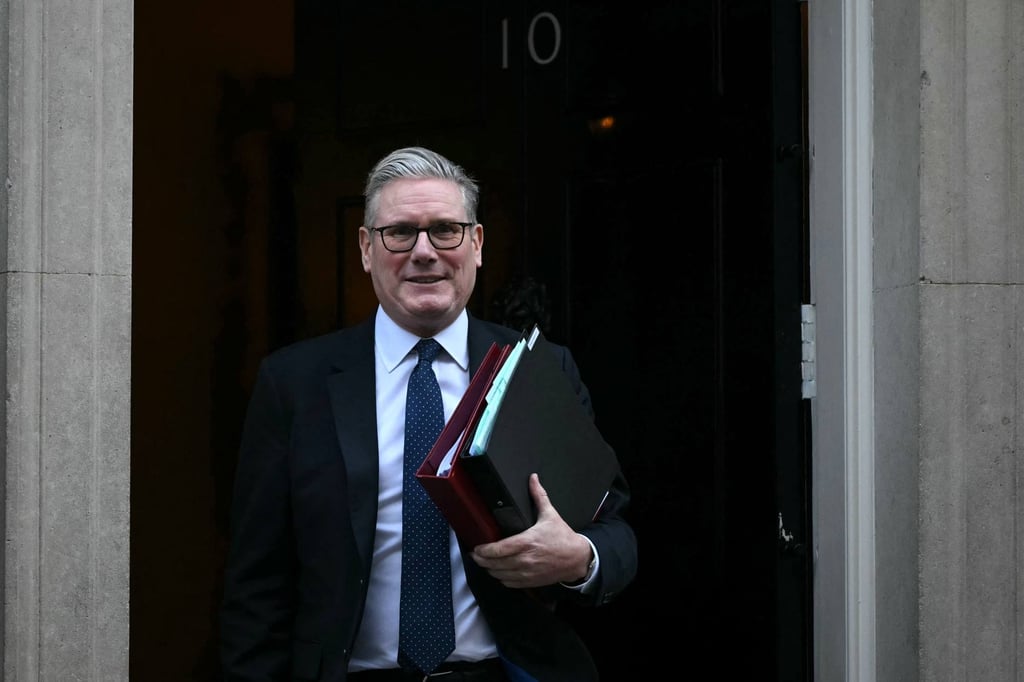
Starmer quit his seat in parliament on Tuesday after 11 years, saying he wanted to “focus on other issues: international affairs including defence, security, trade and technology in a fast-changing world”. A special election will be held within weeks to replace him.
Don't Miss:
-
Captain Sol: The Ghost Who Controlled Customs and Ran the Government’s Illegal Fuel Trade
-
Former Chihuahua Prosecutor Arrested for Allowing CIA Officers to Operate in the Region
-
Mexican Authorities Target the Network of U.S.-Indicted “Carlitos Rugrats”
-
Drug Trafficking, U.S. Banks, and the Economic Reality Under Trump
-
Ivan’s Mob Beheads A Los Mayos Member