
 When Great Powers Talk, Who Speaks for Asia
  About the China Capital investigation
  Frequently asked questions about the China Capital investigation
 At Zion Foodtrucks in the US state of Colorado, American-made steel and aluminium are combined with globally sourced stoves, refrigerators, vents and titanium piping to transform everyday vehicles into mobile restaurants.
But instead of benefiting from Donald Trump’s push to revive US manufacturing, the company says it has been squeezed by higher costs and tougher competition.
Since taking office, the US president’s import taxes on steel and aluminium have hit 50 per cent tied to his “beautiful” tariffs; truck delivery prices have jumped US$1,000 on higher fuel prices caused by the Iran war he launched in February; and Mexican manufacturers with lower labour costs and less expensive Chinese steel are gobbling up market share.
“Our company business has definitely come down because of the war and the tariff situation,” said company owner Appu Jacob Varghese.
“Competitors have actually closed their doors. So if that was the objective, to expand American manufacturing, I don’t know if that has worked out.”
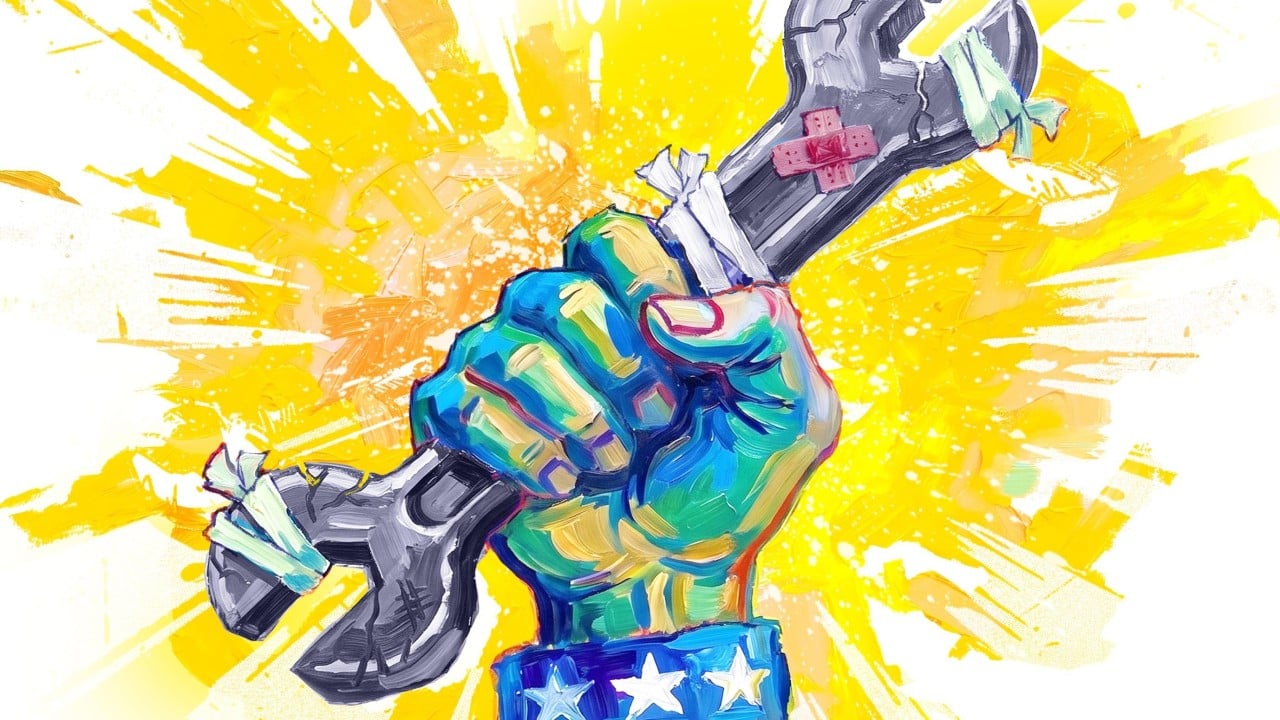
Trump re-entered office promising a blue-collar renaissance. But 18 months into his second term, the evidence is mixed, say executives, economists and logistics experts, as policy churn, market instability and structural weakness undercut US competitiveness, discourage investment and frustrate supply-chain reform.

Don't Miss:
-
China urges ‘constructive dialogue’ with EU in high-level call with France
-
Hong Kong airport builds third runway with strategy to help marine environment thrive
-
Cambodia, Thailand take US$300 billion seabed dispute to UN
-
Hong Kong visitor arrivals hit post-pandemic monthly high in August
-
Indonesian finance minister found out about his firing in mid-meeting phone call