
 Rick Claypool on Pay to Play Corporate Crime Enforcement
  Labaton Launches Whistleblower Practice with Former SEC Acting Chair Allison Herren Lee
  Kremlin payment firm A7 has been pumping billions in ‘untraceable’ cash into global financial system
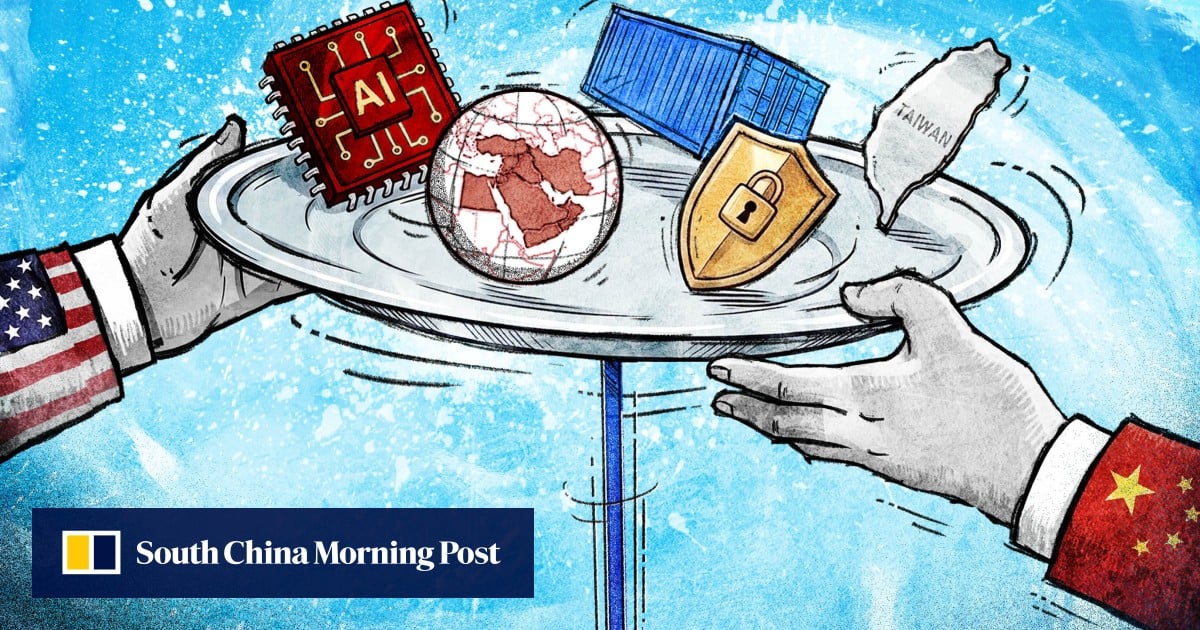
US President Donald Trump’s landmark visit to China comes as the US-Iran war disrupts global energy supplies, fuels economic uncertainty and adds fresh strain to Washington-Beijing ties. In the latest instalment of a series examining how rivalry, interdependence and geopolitical crises are reshaping the relationship between the two powers, we look at the likely outcomes from Trump’s trip.
Trump will hold talks with Chinese leader Xi Jinping against the backdrop of a fragile trade truce, intense strategic rivalry and global turmoil from the US-Iran war.
Advertisement
The US president wants to rebalance the relationship and focus on “reciprocity and fairness” to restore American economic independence, according to White House officials. They said the discussion was expected to cover trade, artificial intelligence, Iran, Taiwan and other security issues.
Observers expect the summit to focus on practical, transactional outcomes rather than breakthroughs.
Advertisement
But the key question is whether Xi and Trump can prevent the relationship from going backwards.
For Beijing it will be a test to see if Washington can refrain from any further escalation on tariffs, export controls and Taiwan. It will also be a test of whether US policy on China has become too ideologically hardened to be influenced by leader-level diplomacy.
Don't Miss:
-
A Total of 13 Mass Graves Have Been Found in Viesca Containing the Charred Remains of Men and Women
-
Jorge Luis Zambrano, alias “Rasquiña”
-
El Taliban Fell In Mazatlán… And What He Confessed Ties Everything Together
-
Inside the Camp at the Heart of Honduras’ Garífuna Land Struggle
-
This Is How the MataZetas Captured and Executed the Zetas