
 From Iran to China: An Emerging Trans-Central Asian Corridor
  New documents show how a retail chain’s sales practices helped put guns on US streets
  Singapore a battleground of commodities fraud lawsuits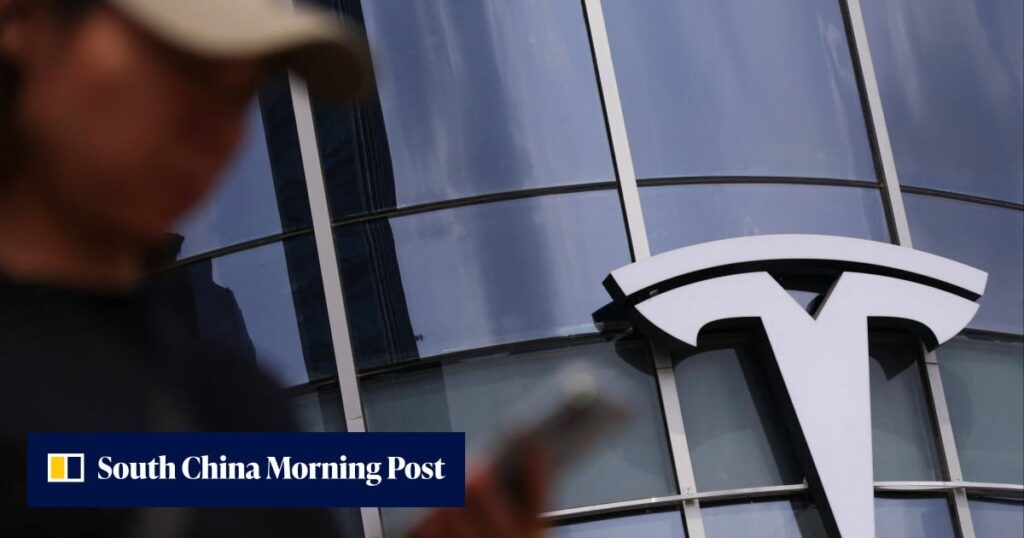
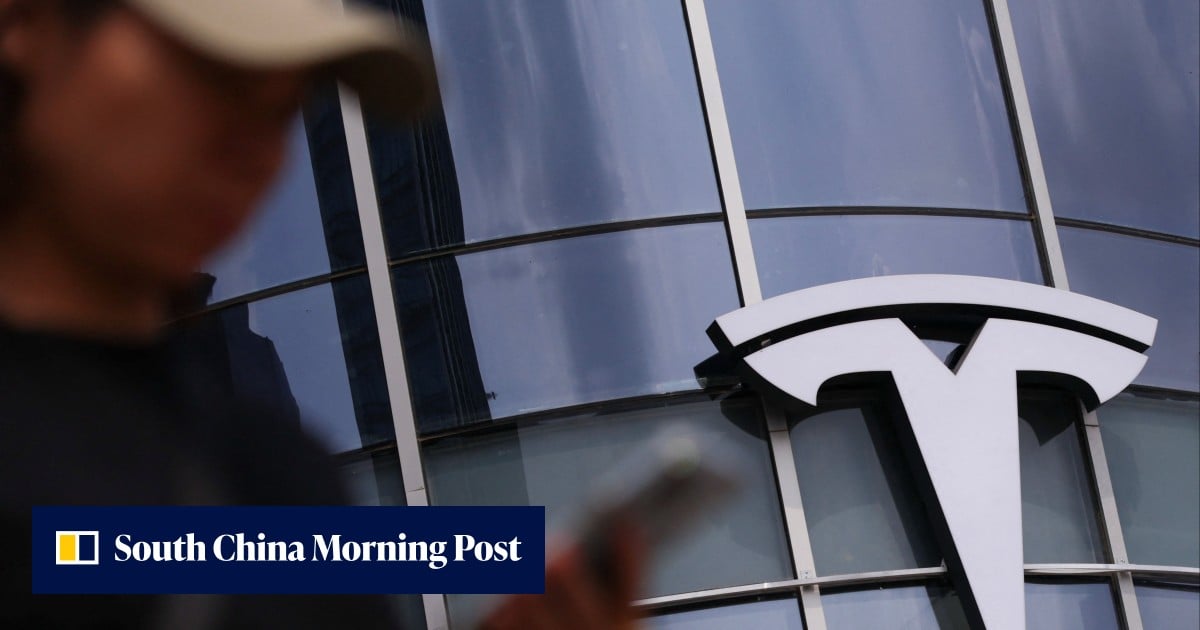
The likelihood that US electric vehicle (EV) giant Tesla will obtain Beijing’s approval for higher-level autonomous driving remains a distant prospect, according to analysts.
Though Tesla recently hired people to test its Full Self-Driving (FSD) system in China, many obstacles remained, with data regulation a core issue, they said.
Earlier this month, China outlined its first mandatory standards for autonomous driving systems, setting requirements for vehicles that feature level 3 (L3) and level 4 (L4) self-driving functions.
The standards, set to come into effect on July 1, 2027, would hold carmakers accountable for accidents that happen when the system is active and require systems to leave at least 10 seconds for the drivers to take control of a car before a potential accident, which was stricter than the global standards set by the United Nations in June, according to China’s Ministry of Industry and Information Technology.
“The foundation [of the approval] would be the regulations over data,” said Xing Lei, an independent analyst and founder of automotive platform AutoXing.
L3 capability refers to “hands-off” driving in a conditionally automated vehicle, while L4 is defined as technology where drivers can be “minds-off”, according to a set of standards published by SAE International.
Don't Miss:
-
John Lee promises ‘high-quality’ experience for Apec finance meeting guests
-
John Lee urges public to tune in to Legco debate on city’s 5-year plan, policy address
-
Hong Kong prepares reforms, accountability measures ahead of Tai Po fire report
-
Turkmenistan grows its arsenal of Chinese air defences as Russia’s role shrinks
-
India sizes up US F-35 stealth jets in landmark first on home turf