
 From Iran to China: An Emerging Trans-Central Asian Corridor
  New documents show how a retail chain’s sales practices helped put guns on US streets
  Singapore a battleground of commodities fraud lawsuits
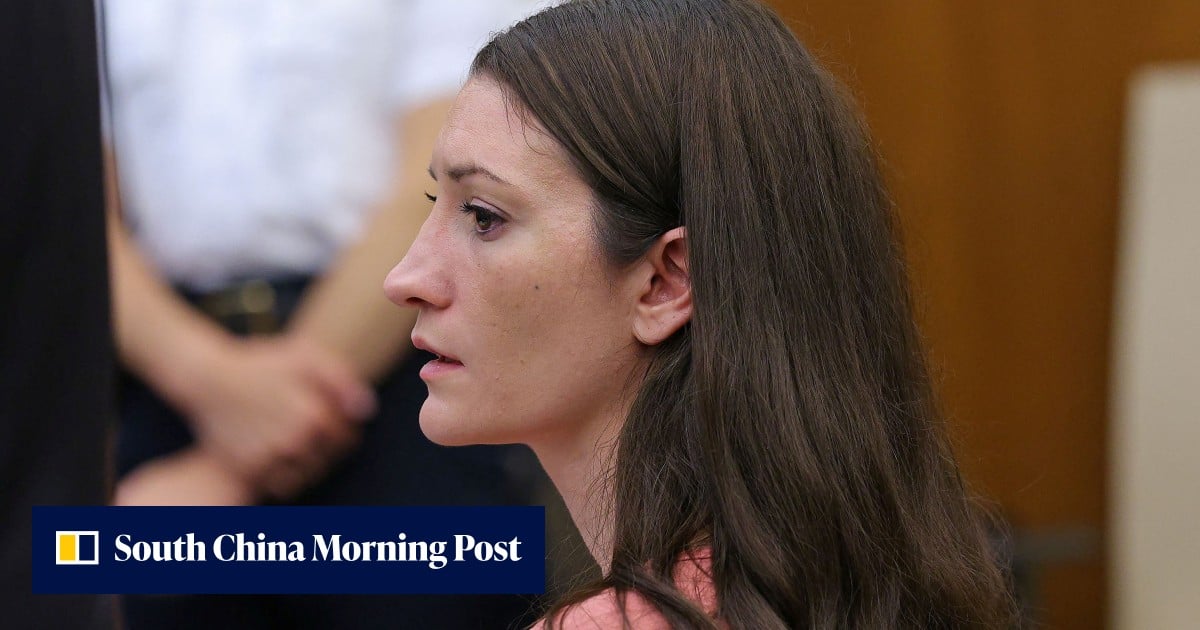
Lindsay Clancy’s lawyer questioned her psychiatrist’s expertise, prescribing decisions and overall treatment as the defence sought on Monday to suggest that the mental healthcare system overlooked and even accelerated the Massachusetts mother’s decline in the months before she killed her three young children.
In questioning Dr Jennifer Tufts, defence lawyer Kevin Reddington highlighted her use of 25-minute video appointments with limited time for talk therapy, the computerised forms that documented her observations and the series of pharmaceuticals she recommended as Clancy reported various side effects, symptoms and concerns about taking medications.
Reddington portrayed Clancy’s care not as common practice in US mental healthcare, but rather as inadequate and indifferent treatment, at one point implying that the doctor was a box-checking “robot”.
“What did you do? You had a woman who was telling you she felt hopeless,” he asked as they discussed an appointment about two months before the killings.
“I told her that this was something we could address, that there was hope, that there are treatments, that there are different types of programmes, so she knew that she still had options and a reason to hope,” Tufts said.
“Did you ever suggest to her that ‘maybe you should come in and see me, rather than on the computer?’” Reddington asked.
Don't Miss:
-
John Lee promises ‘high-quality’ experience for Apec finance meeting guests
-
John Lee urges public to tune in to Legco debate on city’s 5-year plan, policy address
-
Hong Kong prepares reforms, accountability measures ahead of Tai Po fire report
-
Turkmenistan grows its arsenal of Chinese air defences as Russia’s role shrinks
-
India sizes up US F-35 stealth jets in landmark first on home turf