
 How Hungary’s richest man funneled millions into Orbán’s propaganda machine
  How Real Is the US Withdrawal from the Middle East?
  From Iran to China: An Emerging Trans-Central Asian Corridor
 A growing number of non-programmers across China are developing their own AI tools, primarily motivated by concerns about falling behind as technology reshapes work and daily life.
The anxiety surrounding this shift is almost palpable. AI courses and side-hustle tutorials have flooded mainland social media as employers increasingly expect their workers to develop AI literacy. Simultaneously, enrolment and interest in humanities programmes at universities are declining.
Together, these trends underscore a central paradox of the AI age: the more that AI can accomplish, the more humans must explore and navigate to discover the tasks that only they can perform.
Mainland media outlet Jizhou Studio profiled three non-programmers currently building their own AI tools, as generative AI and agents have made coding capabilities accessible to ordinary users.
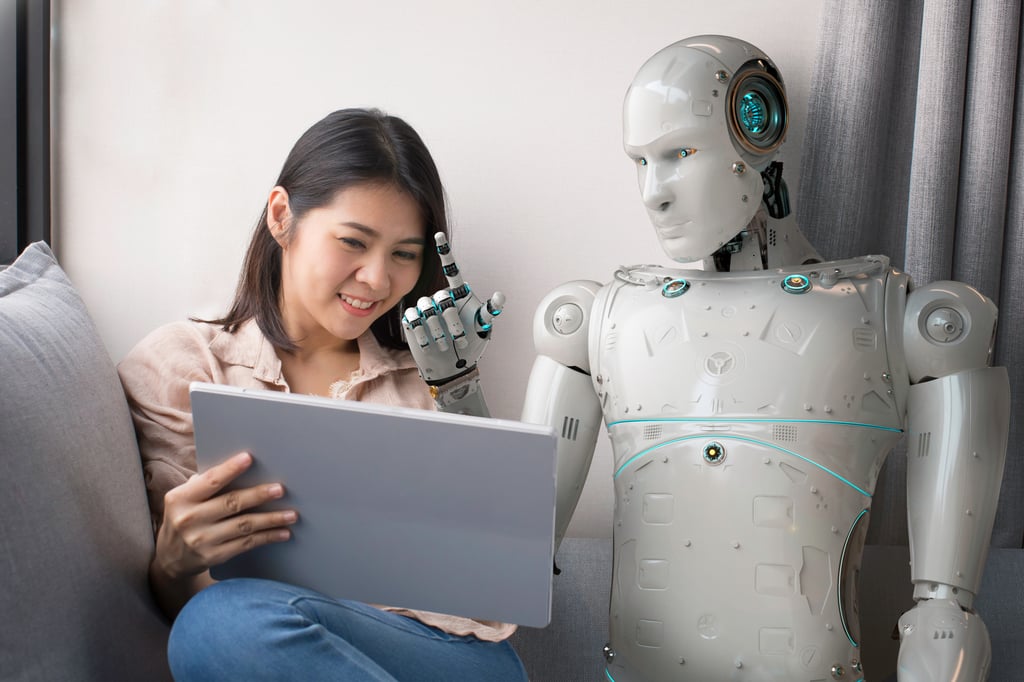
Congcong, 46, a former product manager, closely follows new AI models and applications, fearing that others may master them before she does. Using ChatGPT, she created a spoken English training agent for herself and her daughter, followed by a bot to monitor her child’s homework and breaks.

Don't Miss:
-
US wraps up military mission in Iraq, giving Baghdad room to strengthen China ties
-
As China and the EU begin crunch trade talks, optimism is in short supply
-
Data centre opposition is growing in Australia. Is there a middle ground?
-
Helper arrested for allegedly slapping 5-year-old boy after he refuses to eat
-
Workers, mostly Indian, building US consulate in Milan agree to record settlement